
Many drivers wonder whether an aftermarket treatment can truly protect moving parts. This introduction reviews claims that the product reduces friction and heat inside an internal motor. We look at how it is added during a routine oil change and how it aims to supplement standard lubrication.
Long-term owners have reported mixed results after tens of thousands of miles. Some note smoother operation, while others see no clear gain. Experts stress that regular maintenance remains the main path to lasting reliability and peak performance.
This piece examines marketing claims against scientific principles of wear control. We will weigh real-world reports covering many miles and measure whether this treatment delivers measurable benefit or an extra cost. Expect a balanced view that helps you decide if adding such an additive fits your maintenance plan.
Key Takeaways
- Claims vs. science: Manufacturer promises need testing against lubrication principles.
- User reports: Experiences vary after long driving spans.
- Application: Product is typically added during an oil change.
- Main goal: Regular service still drives reliability.
- Decision: Consider cost, vehicle age, and documented results.
Understanding the Role of Oil Additives
Understanding what goes into modern lubricants helps explain why extra treatments may or may not help.
Modern engine oil blends combine base fluids with a precise package of chemicals. These agents limit wear, control deposits, and protect bearings under heat.
Adding a secondary oil additive can upset that balance. A new additive may react with existing detergents or anti-wear agents and reduce overall performance.
strong,, manufacturers design synthetic and conventional engine oil to meet strict standards. Using incompatible products can void specifications and risk long-term harm.
- Designed protection: many modern oils already include effective additives.
- Compatibility risk: mixing treatments may create unwanted chemistry.
- Know the chemistry: owners should learn how oil and additives interact to protect the powertrain.
Is Slick 50 Good for Your Car Engine?
Before adding any treatment, drivers should set realistic expectations about measurable gains.
Performance Expectations
Expect modest benefits. The Advanced Formula aims to reduce friction and protect moving parts, but it does not repair components already near failure.
According to the official FAQ, the treatment may be applied at every oil change, every six months, or once a year. Users report varied results across tens of thousands of miles; some notice smoother operation while others see no clear difference.
Compatibility with Modern Motor Oil
The manufacturer states this version is compatible with all types of motor oil and is safe in gasoline motors. It is not intended for diesel use—diesel users need the Big Rig Formula instead.
Crucial point: this product is an additive, not a substitute for scheduled maintenance or regular oil changes. Follow the vehicle service manual and treat this as a supplemental option.
- Use at each oil change or at least once per year.
- Compatible with most oils but cannot fix existing mechanical problems.
- Safe for gasoline engines; do not use in diesel motors.
The Science Behind Friction Reduction
Lab work and field tests offer a clearer picture of how aftermarket chemistry behaves under heat and pressure.
Mike Fishwick noted that several U.S. universities and NASA ran trials showing some additives can increase wear rather than reduce it. Those findings matter when picking a treatment version for daily gas use.
Friction control in a combustion motor depends on a stable hydrodynamic film formed by high-quality motor oil while parts move. That film keeps metal surfaces apart under heavy loads and high heat.
The effectiveness of any additive hinges on its ability to stay suspended in the oil without forming sludge or deposits. Many studies find the internal area of a running engine can break down proprietary stuff before it helps.
- Research: Some lab tests report increased wear with certain additives.
- Mechanics: A sound lubrication film beats unproven chemistry every time.
- Assessment: Consider how a product interacts with existing oil chemistry and fuel-driven heat.
Evaluating Manufacturer Claims and Warranty Limitations
Warranty language and advertising claims often tell different stories about what a treatment really covers. Read each promise next to the warranty fine print to see the real protections a company offers.
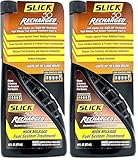
Compare coverage in miles and years before you add any product. A major oil brand may back its standard oil up to 250,000 miles or ten years. By contrast, an aftermarket treatment may offer only a 50,000 mile limited engine warranty.
- Longer protection: a mainstream oil maker can provide far more miles of coverage than an additive maker.
- Read the manual: using an unapproved additive can void a vehicle warranty if damage is linked to that stuff.
- Regulatory history: the FTC has acted when companies made claims that independent tests did not support.
Consumers should weigh these differences. Adding an additive to a combustion motor may carry unseen risks. Understand limits, spot exclusions, and avoid surprises that create costly problems.
Insights from Long-Term Automotive Users
Real-world accounts from drivers reveal mixed outcomes after years of use. Some people report long service life in high mileage cars, while others post warnings about problems after improper oil changes.
Positive Anecdotes
Michael Smith used a treatment in his 1996 Sunfire GT and sold it at 75,000 miles with no major issues. Theo McCormick says his VW at 175,000 miles and a Maxima at 260,000 miles ran well after being treated.
Skeptical Perspectives
Many people on web forums argue that careful maintenance—regular oil change and synthetic oil when recommended—explains most longevity. Don Nickell warned that a quick lube shop using the wrong oil or additives caused problems in his Subaru.
The Impact of Driving Habits
How a person drives matters. Cold starts, short trips, and heavy idling stress motor parts more than any single oil additive. Over years, consistent care and attention to mileage and service intervals drive the biggest gains in engine life.
- Real anecdotes exist, but they rarely prove causation.
- High mileage success often pairs with proper oil and timely changes.
- Driving style shapes long-term results more than one product or thing.
Regulatory Actions and FTC Findings
Federal actions have questioned whether certain additives deliver on promised wear reduction.
In 1997, the FTC sued the maker behind a high-profile treatment for making false and misleading claims about oil performance. Court documents list specific ad statements that lacked scientific support.
Independent testing reinforced regulatory concern. Edward Hayes cited Consumer Reports, which found no measurable difference in engine wear when an oil additive was used.
The FTC later pursued other companies, including Motor Up and Prolong, over similar marketing tactics. Legal records and agency posts show a clear pattern: advertising often outpaced the evidence.
- 1997 action: suit against the company for unsubstantiated claims.
- Independent tests: Consumer Reports reported no wear benefits.
- Industry trend: multiple enforcement cases highlight repeated problems.
Regulators urge people to follow manufacturer schedules and rely on proven lubrication practices rather than promotional messages about unverified products.
Risks Associated with Teflon in Combustion Engines
Chemical makers have repeatedly cautioned against using certain fluoropolymers inside combustion systems.
Rick Courtright pointed out DuPont’s clear warning: Teflon is not intended for use in internal combustion parts. At extreme temperatures, PTFE can degrade and form deposits that interfere with oil flow.
Some oil filter lines and aftermarket products included Teflon despite those cautions. That choice drew criticism when technicians found buildup and blocked passages in motors after many miles.
Forum posts and every message on the subject show a common theme: experts advise against this use. UserEddie214 noted toxicity to birds when Teflon is heated, which underscores the material’s hazards when it meets high oil and fuel heat.
- Manufacturer warning: DuPont advises no internal use of PTFE.
- Build-up risk: deposits can harm oil circulation and motor parts.
- Warranty impact: using an additive version with Teflon may void the car warranty.
Bottom line: the message from technicians and many posts is clear — avoid products that rely on Teflon inside engines to reduce the chance of costly problems.
Recommended Maintenance Practices for Engine Longevity
A clear maintenance plan beats marketing when it comes to preventing wear and costly repairs. Routine service preserves parts and helps keep oil passages clean. That approach gives the best return on time and money.
The importance of regular oil changes cannot be overstated. Follow the manufacturer’s oil change intervals and check fluid levels between services. For many modern cars, high-quality synthetic oil offers superior protection and longer drain intervals.
The practical checklist
- Change oil at the recommended miles; some experts suggest 10,000 miles as a reasonable maximum under normal use.
- Use a high-detergency engine oil to prevent sludge, especially in older or high mileage vehicles.
- Consider an engine flush every other service on older motors to clear gum and keep oil ways open.
- Research any fuel or oil additive before using it; consult the owner’s manual or a trusted mechanic.
Simple, scheduled care keeps a motor running longer. Prioritize oil quality, timely changes, and trusted advice to protect life and miles of service.
FAQ
What is Slick 50 and how does it work as an oil additive?
Slick 50 is a liquid additive marketed to reduce internal friction and wear by depositing a protective film on moving engine parts. The product uses polymers and, historically, PTFE (Teflon) to create a low-friction layer. It’s mixed into motor oil or added during an oil change to change how surfaces interact and to potentially lower noise and metal-to-metal contact.
Can additives like Slick 50 improve fuel economy or mileage?
Additives may yield small, short-term fuel economy gains in specific conditions, but sizable mileage improvements are uncommon. Modern engine oils and tight manufacturing tolerances already optimize friction. Any measurable change usually depends on engine wear, driving habits, and whether the oil used is compatible with the additive.
Are these products compatible with modern synthetic motor oil and high‑mileage engines?
Compatibility varies. Many modern synthetic oils include friction modifiers and detergents designed to work with current engine materials. Adding another product risks upsetting oil chemistry or filter performance in high‑mileage engines. Always check the vehicle maker’s guidance and the additive maker’s instructions before mixing.
Will using a product like Slick 50 void my vehicle warranty?
Manufacturers generally state that a warranty cannot be denied solely for using an aftermarket additive unless the part or failure can be proven to result from the additive. Still, if damage is traced to the product, warranty coverage may be affected. Keep service records and consult the vehicle’s warranty terms.
What evidence exists from long‑term users about effectiveness?
Owner reports vary. Some drivers report reduced noise and smoother operation after use, while others see no benefit or encounter oil filter clogging and residue. Individual driving patterns, maintenance history, and engine condition shape these experiences.
Are there safety or regulatory concerns with PTFE‑based additives?
PTFE in high temperatures can degrade, and small particulates can enter oil passages. Regulatory bodies and consumer protection agencies have reviewed marketing claims from some additive makers. It’s important to rely on independent lab tests and enforcement findings rather than advertising alone.
What risks should I consider before using an oil additive?
Risks include filter clogging, altered oil viscosity, interference with oil sensors, and residue buildup. In extreme cases, poor additives could aggravate wear rather than reduce it. Use only products with third‑party testing and follow oil change intervals and manufacturer recommendations.
How does driving style affect whether an additive will help?
Aggressive driving, frequent short trips, towing, and stop‑and‑go conditions increase stress and wear. Additives may seem more helpful in worn engines or severe use, but proper maintenance—regular oil changes, quality oil and filters, and responsible driving—remains far more effective at extending engine life.
What maintenance practices are recommended instead of relying on additives?
Follow scheduled oil and filter changes, use OEM‑recommended oil viscosity and quality, address leaks and engine issues promptly, and perform routine inspections. For high‑mileage cars, consider oils formulated for older engines. These steps deliver predictable protection backed by manufacturers and independent studies.
If I decide to try an additive, how should I proceed safely?
Read the additive label and technical data, verify compatibility with your oil and engine, and use the exact dosing instructions. Keep detailed service records and monitor oil pressure, temperatures, and engine noise. If adverse signs appear, drain the oil and return to the recommended motor oil immediately.