
Modern restraint systems lock during a crash to protect occupants. That locking mechanism is built to stay engaged after impact, and a quick pull will not return the belt to normal.
If your vehicle shows an airbag light or a stuck belt, treat it as a system-level issue. Professional service is often required to inspect the mechanism, assess damage and perform safe repairs.
DIY attempts can cause more harm and may void warranties or affect insurance coverage. Skilled technicians with vehicle experience follow a set process that can include replacement, calibration, and testing to ensure safety.
Key Takeaways
- Locked belts are a designed safety response; they usually need professional attention.
- An illuminated airbag light can signal broader system damage.
- A quick tug rarely fixes an engaged locking mechanism.
- Certified repairs and service restore safety and preserve warranties.
- Report issues to your insurer and choose experienced technicians for repairs.
Understanding Why Seat Belts Lock After a Collision
Inside every retractor are small metal balls, gears, and springs that react to sudden movement or deceleration.
When a car experiences abrupt impact, those parts shift instantly. The locking balls move into position and the spring fires, so the belt locks and the occupant stays secure.
Impact sensors in the vehicle tell the mechanism when deceleration exceeds preset limits. Those sensors trigger the retractor and other restraint systems at once.
This locking action is calibrated to protect the body during a high-speed crash. Many people do not realize these mechanisms can engage even after minor collisions or bumps.
- The internal locking mechanism uses balls and springs to stop forward motion in a crash.
- Sensitivity of the system means a small impact may trigger a full lock.
- A stuck belt usually signals that internal parts shifted or that the vehicle needs inspection.
Understanding this system helps owners see why forcing the webbing rarely works and why professional inspection preserves quality and safety policy compliance.
How to Reset Seat Belts After Accident Safely
After a collision, secure the vehicle and check for injuries before any inspection. If a driver or passenger is hurt, call emergency services rather than attempting repairs.
Do not yank or force the webbing. Forcing a jammed belt often creates more vehicle damage and may ruin the restraint assembly.
Follow a short process: park in a safe spot, switch on hazards, and document visible damage for your insurance policy.
- Ensure the car is stationary and hazards are active.
- Seek medical help if anyone shows signs of injury.
- Avoid DIY fixes when the belt is frayed; a replacement is usually needed.
- Contact certified service for system checks, calibration, and repairs.
Professional service saves time and preserves quality. A trained technician will spot hidden vehicle damage and restore restraint function while keeping warranty and policy protections intact.
The Mechanics of Emergency Locking Retractors
An emergency locking retractor increases friction inside the belt system so the webbing stops instantly during sudden deceleration.
The seat belt retractor is a critical part of any car safety system. When a vehicle halts abruptly, the belt retractor engages and prevents the driver from moving forward in the car.
Many people do not realize that this retractor can be a one-time use device after a significant crash. The amount of tension produced by the locking mechanism is designed to protect the body from impact forces.
If your seatbelts are stuck, the retractor has likely locked as intended and will not release on its own. A damaged retractor can compromise vehicle safety and requires professional inspection.
- Critical role: locks belt during sudden impact.
- One-time use: may need replacement after a major crash.
- Professional steps: inspection preserves quality and aligns with insurance policy guidance.
Initial Safety Precautions Before Inspection
Before any inspection, make sure the vehicle is parked well clear of traffic and hazards. Secure the scene, set the parking brake, and switch on hazard lights. The safety of the driver and passengers is the first priority when checking a car after an impact.
Securing the Vehicle
Move the vehicle only if it is safe and you can do so without risk. If the car cannot be driven, call for a tow and wait in a safe location away from roadways.
Never use sharp objects that could damage a seat belt or the restraint system while examining the interior. Forcing webbing with tools can cause permanent damage and reduce protection for the body in later use.
- Park away from traffic and hazards before inspecting for seatbelt or belt damage.
- If seatbelts are locked, do not force them; this may compromise system safety.
- A professional inspection often aligns with insurance policy requirements and ensures quality repairs.
Record visible damage and any warning lights for your insurer. The amount of care you take during this initial check helps prevent further damage to the car and protects future safety for the driver.
Assessing Visible Damage to the Restraint System
Begin by scanning the webbing and retractor housing for any obvious cuts, frays, or trapped debris. Check both the belt surface and the area where the webbing feeds into the retractor for foreign material that might block movement.
Look for deep abrasions or slices on the seatbelt; these signs mean the entire assembly needs replacement. Small nicks may weaken the fabric and reduce protection for the body in a future crash.
Inspect the vehicle around the seat for broken trim, sharp metal, or loose objects that could have entered the mechanism during the collision. Debris can prevent normal retraction and mimic mechanical failure.
- Document visible damage with clear photos for your insurance policy and repair records.
- If the amount of visible damage is significant, schedule professional service to ensure quality repairs.
- Thorough assessment helps the driver and people who ride in the car stay safe over time.
When in doubt, replace rather than repair. A well-documented inspection provides the information technicians and insurers need to address system damage after a crash.
Gentle Techniques for Releasing a Jammed Belt
A calm, measured approach reduces the chance of further damage when a belt is jammed. Begin by applying steady pressure on the release button while pulling the strap slowly. This often clears simple jams caused by the locking mechanism.
Use the tug-and-release method next: pull the seatbelt out slowly and firmly, then let it retract a small amount. Repeat a few times with minimal force. Small, controlled pulls can free webbing that locked during a minor crash.
Try pressure techniques if the buckle feels stuck. Press the release firmly while holding the webbing taut. If debris is visible near the latch, avoid poking with sharp tools; that can cause more damage to the vehicle and the mechanism.
- Attempt gentle steps first; they are common actions for a driver after a minor accident.
- Use minimal force — excessive tension risks permanent damage to the car restraint system.
- If the seatbelts remain locked, stop and contact a certified technician for professional service.
Safety reminder: These tips can save time, but professional inspection ensures quality repairs and protects your policy and future safety of the body.
Cleaning Debris from the Retractor Housing
Loose grit and fragments often find their way into the retractor housing after a crash. Small particles can jam the slot and stop normal movement of the belt retractor. A careful cleaning process can restore function in some cases.
Begin safely: park the car, cut power if directed by the manual, and wear eye protection. Use a vacuum cleaner at low suction to pull out crumbs and dirt from the retraction slot without touching internal parts.
If debris still blocks movement, remove the retractor cover carefully. Use needle-nose pliers to clear tangles or trapped fabric. Work slowly and avoid sharp tools that can cause permanent damage to the mechanism.
- Cleaning is delicate but may save time if the vehicle has only minor damage.
- The driver must handle tools cautiously near the seatbelt retractor to avoid further harm.
- If belts remain locked after cleaning, the internal system may need replacement and professional service.
Note: Document your steps for any insurance policy and seek certified repair when in doubt. Your safety relies on a fully working retractor and quality service.
Why Manual Resetting Often Fails
Many owners try a quick fix, only to find the webbing still locked and the problem worse. The locking mechanism in modern restraint systems is not built for repeated manual service.
Forcing the retractor can damage the housing, fray the belt, and create hidden faults in the vehicle. Those faults may not show until another crash occurs.
Trying repairs alone often wastes time and increases final repair costs. Insurance may deny coverage for damage caused by improper attempts.
- The internal locking mechanism often locks permanently after a serious crash.
- Manual action can break the retractor and ruin the seatbelt webbing.
- Professional repair preserves safety, restores function, and protects warranty and insurance rights.
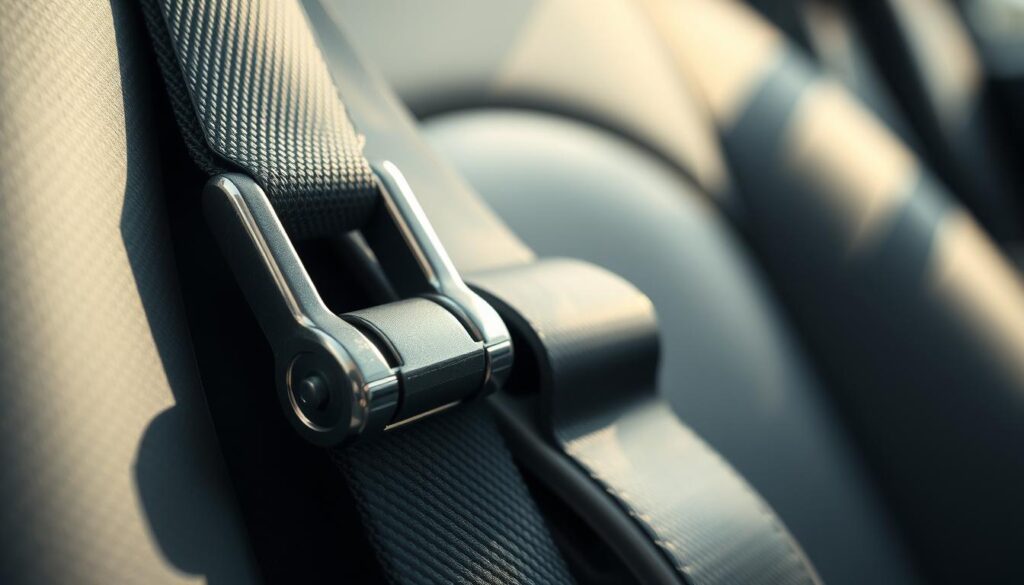
Bottom line: treat a locked belt as a system issue. A certified technician will use the correct process and parts to return the vehicle to safe condition.
The Importance of Professional Seat Belt Repair
Expert service combines OEM parts and tested procedures to return a car to safe operation quickly.
Professional repair protects occupants by following manufacturer standards for the retractor and webbing. Certified technicians inspect hidden damage, use OEM-equivalent replacement parts, and perform documented testing. This reduces the chance of future failure after an accident.
OEM Standards
OEM-level repairs ensure the system meets factory tolerances and your warranty remains intact. Safety Restore has assisted more than 250,000 customers since 2013 and offers a fast 24-hour turnaround.
- Professional service safeguards vehicle safety and long-term performance.
- Certified repairs use tested parts and come with a lifetime warranty.
- Experienced technicians document damage for insurers and handle salvage car work from outlets like Copart.
Visit Safety Restore at 40 Main St. Westfield, MA 01085 or call 855-552-7233 to start the repair process. Using professionals saves time and restores confidence in your car after a crash or minor accident.
Understanding SRS Airbag Module Reset Services
The airbag control module retains collision data that standard scans cannot erase. This crash memory hard-codes fault entries and can keep the airbag light illuminated even when visible damage is minimal.
Standard scanner tools often show the symptom but cannot clear the stored event. The amount of data in the module after a crash requires specialized procedures and calibrated equipment.
Safety Restore and similar services clear logged crash data, restore communication with the vehicle, and return the unit to factory-like operation. A proper module service lets the car report accurate system status during inspections.
- An SRS module service is critical for any car with a persistent airbag light after an accident.
- The airbag and seatbelt systems are linked during impact; both can show related issues.
- Only trained technicians should handle module repairs and electronic restorations.
Your safety and pass-fail status for inspections depend on the quality of the module service. Rely on certified professionals to clear crash data, document repairs, and restore correct vehicle communication.
Benefits of Professional Webbing Replacement
Skilled technicians swap the belt fabric quickly, minimizing downtime and restoring reliable protection. Professional webbing replacement returns the car interior to its original look while keeping the restraint system sound.
Safety Restore replaces webbing in nearly any color, matching OEM styles or creating custom looks without sacrificing tested strength. This service helps owners address frayed or cut webbing after an accident and avoid hidden damage that could affect an airbag or other systems.
- Restores the appearance and function of a vehicle quickly, saving time versus full assembly swaps.
- Offers color-matched options that fit interior trims while meeting strict safety standards.
- Often more cost-effective than replacing the entire mechanism when visible damage is limited.
- Documented repairs aid insurance claims and provide clear information for future service.
- New webbing is guaranteed to perform like the original, keeping passengers and driver safe.
Choose a professional service for webbing replacement so the repair process follows manufacturer guidelines and preserves warranty and insurance protections. Addressing damage before driving again keeps the vehicle dependable and safe for every trip.
Why You Should Avoid Forcing the Mechanism
Forcing a locked mechanism usually creates more harm than it solves and can hide costly faults. If you hear unusual noises or feel resistance, those signs often point to internal damage in the vehicle restraint system.
Do not use tools or sharp objects on a jammed seatbelt. Prying at the retractor can fray webbing, break gears, and compromise the airbag linkages that depend on proper sensing.
Attempting a quick fix often increases final repair bills and may void warranty or insurance coverage. The mechanism is designed to lock during impact to protect occupants. Many locks remain engaged by design after a crash and need professional evaluation.
- Forcing the belt can cause permanent vehicle damage and hidden faults.
- Strange noises during movement usually mean internal parts are broken.
- Follow the correct repair process and seek certified service for replacement and repairs.
Your safety is the priority. Stop attempts that use force and let trained technicians inspect and restore the car. Proper service saves time and ensures the system works when it matters most.
Insurance and Warranty Considerations for Repairs
Contact your insurer early so the repair process for your vehicle runs with fewer surprises. Early notice speeds claims and clarifies what your policy covers after an accident or crash.
Document every visible area of damage. Take clear photos of the car interior and restraint system. Save receipts and service estimates for your claim file.
- Understand your policy limits and whether replacement of parts is included.
- Many policies cover professional repairs for restraint components when the damage resulted from a crash.
- Keep warranty paperwork from your service provider; it helps preserve future coverage.
Choose certified service vendors that provide written estimates and a work record. Insurers often accept repairs done by recognized providers, which smooths the claim review.
Your safety matters most. Follow claim procedures carefully and retain all information about repairs and warranties so the vehicle is restored correctly and remains protected under your policy.
Routine Maintenance for Long Term Safety
A simple, scheduled check of restraint components prevents small faults from becoming safety hazards. Make inspections part of your regular vehicle care routine so seatbelts and mechanisms remain ready when needed.
Perform a quick visual scan every few months. Look for frays, cuts, stains, or trapped debris. Test retraction by pulling the webbing slowly and letting it retract fully.
Clean belts with mild soapy water and a soft cloth. Removing dirt and grit reduces the chance the mechanism will jam and keeps the fabric strong.
Regular Inspection Cycles
- Check webbing for damage and test locking action on each check cycle.
- Document any issues and address them with professional service before they worsen.
- Follow manufacturer instructions for maintenance and inspections.
The process of care pays off: consistent attention ensures safety for all passengers and helps preserve warranty and service records. Teach riders the right way to wear belts so everyone benefits from long-term protection.
Choosing the Right Service for Your Vehicle
Choose a repair partner that documents its process and stands behind its work.
Trust and clear records matter when facing post-crash repairs. Look for professionals with proven experience handling restraint systems and seat belts.
Ask about warranties, parts, and the step-by-step process they follow. A reputable service will explain diagnostics, parts replacement, and final testing in plain language.
- Prioritize services with years of experience and documented repair records.
- Choose providers that offer clear estimates and a warranty for their repairs.
- If you need immediate help with a car assessment, call 1800 844 999 for guidance.
- Always ask about technicians’ certifications before entrusting them with safety work.
Your safety is the priority. Selecting the right service reduces future issues and helps restore your vehicle correctly. A well-chosen repair provider brings peace of mind and reliable results.
Conclusion
A jammed safety system demands deliberate action and certified repair for reliable protection.
Start with calm, gentle tips to see if the webbing frees. If the mechanism stays locked, stop and pursue professional service that follows the correct process.
Regular maintenance and prompt attention keep your restraint components ready. Choosing experienced services restores factory standards and preserves warranty and insurance records.
Prioritize safety over quick fixes. Proper repair and a documented process ensure your seat belts will protect occupants when it matters most.
FAQ
What causes a belt to lock during a collision?
Sudden deceleration activates the emergency locking retractor (ELR). Internal components and impact sensors engage a ratchet or centrifugal mechanism to stop webbing movement and secure occupants.
Can a locked belt be freed without professional service?
Minor jams from debris or twisting sometimes clear with careful tug-and-release motions or pressure on the retractor housing. However, collision-triggered locks often require inspection or replacement by a qualified technician.
What are safe first steps before inspecting a restraint?
Park on level ground, set the parking brake, disconnect the vehicle battery for at least 10–15 minutes to avoid unintentional airbag deployment, and consult the owner’s manual for specific safety guidance.
Why might manual resetting fail after impact?
Impact can permanently trip internal locking parts or damage webbing and the retractor. Those failures render manual methods ineffective and risk compromised protection if not repaired to manufacturer standards.
Are there risks to forcing a jammed mechanism?
Yes. Forcing can tear webbing, break the spindle, or damage the pretensioner and SRS components. That undermines crash protection and may trigger airbag faults or warning lights.
When is professional belt replacement necessary?
Replace belts when webbing shows cuts, stretching, or contamination from fluids, or when the retractor or pretensioner is damaged or has been deployed. Certified shops follow OEM standards for safety-critical parts.
Do airbags and seat belt systems share service requirements?
They are part of the same supplemental restraint system (SRS). After a collision, SRS modules and pretensioners often need diagnostic scans and, if triggered, component replacement by a technician trained in airbag service.
Will insurance or warranty cover belt repairs?
Coverage depends on your policy and warranty terms. Collision claims often include restraint repairs, but check deductibles and whether aftermarket or OEM parts are required to maintain warranty compliance.
How can I clean debris from a retractor housing safely?
Use compressed air and a soft brush to remove loose debris. Avoid solvents that weaken fibers or affect lubricants. If debris is internal, have a technician disassemble and inspect the mechanism.
What maintenance keeps belts reliable over time?
Inspect webbing for frays, stains, or stiffness every few months. Keep mechanisms free of obstructions, avoid harsh cleaners, and follow recommended inspection cycles in the owner’s manual.
What should I look for when choosing a repair shop?
Pick shops certified by vehicle manufacturers or by ASE that use OEM parts and provide SRS diagnostics. Ask for written estimates, parts provenance, and a warranty on repairs.
Are aftermarket webbing replacements safe?
High-quality aftermarket webbing can meet safety standards, but OEM replacements ensure compatibility with pretensioners and sensors. Verify certifications and installer experience before accepting aftermarket parts.
How long after battery disconnect should I wait before working near airbags?
Wait at least 10–15 minutes to allow backup power capacitors to discharge. Some manufacturers recommend longer; consult the service manual for the exact interval for your vehicle.
Will a seat belt warning light come on after repairs?
If the buckle switch, pretensioner, or wiring is disturbed, the system may show a fault. A technician can clear codes and confirm the system status with an OBD-II SRS scan tool.
Can I drive immediately after a collision if belts appear locked but intact?
Avoid driving if any restraint shows signs of deployment, damage, or nonfunction. Even if belts look intact, latent mechanical damage can leave occupants unprotected; have the system inspected before regular use.