
Understanding timing hardware matters when you shop for long-term reliability. A timing chain is a metal loop that keeps camshafts and crankshafts synced. It runs inside the engine and stays lubricated by engine oil, so it often lasts longer than a rubber belt.
That said, a chain is not always maintenance-free. It changes how you plan ownership compared with a belt that needs scheduled replacement. Wear, tensioner failure, or oil neglect can still force major repairs.
This article first compares chain, belt, and wet belt systems. Then it lists common chain-driven engine families by make and engine code. Finally, you’ll find real-world notes on reliability and service expectations.
Check the engine code, not just the badge. Variants and model years can differ. Confirm with the owner’s manual or engine ID before you buy.
Key Takeaways
- A timing chain typically lasts longer because it runs inside the engine and uses oil for lubrication.
- Chain-driven engines still need attention—tensioners and oil service matter.
- The article compares chain vs belt vs wet belt, then lists common chain engine families.
- Engine family and code matter more than the car badge for timing hardware.
- Always confirm timing hardware via the owner’s manual or engine ID before buying.
Timing chain vs timing belt vs wet belt in today’s engines
Knowing whether your engine uses a metal chain, a rubber timing belt, or an oil-immersed wet belt is key to smart ownership. Engine timing means synchronizing the crankshaft and camshaft so valves open and close at the right moment. That control is central to reliability, smooth power delivery, and avoiding severe internal damage.
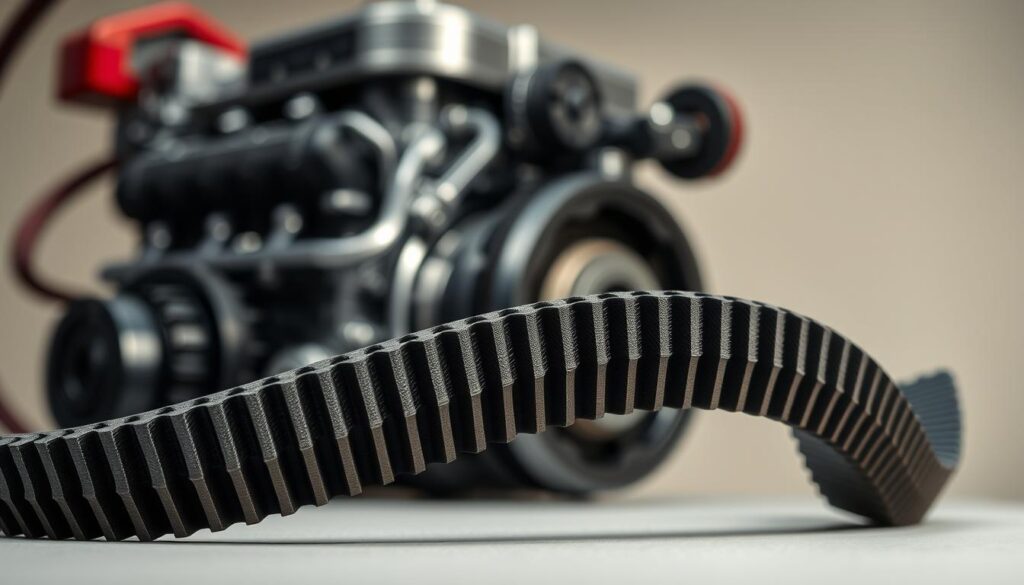
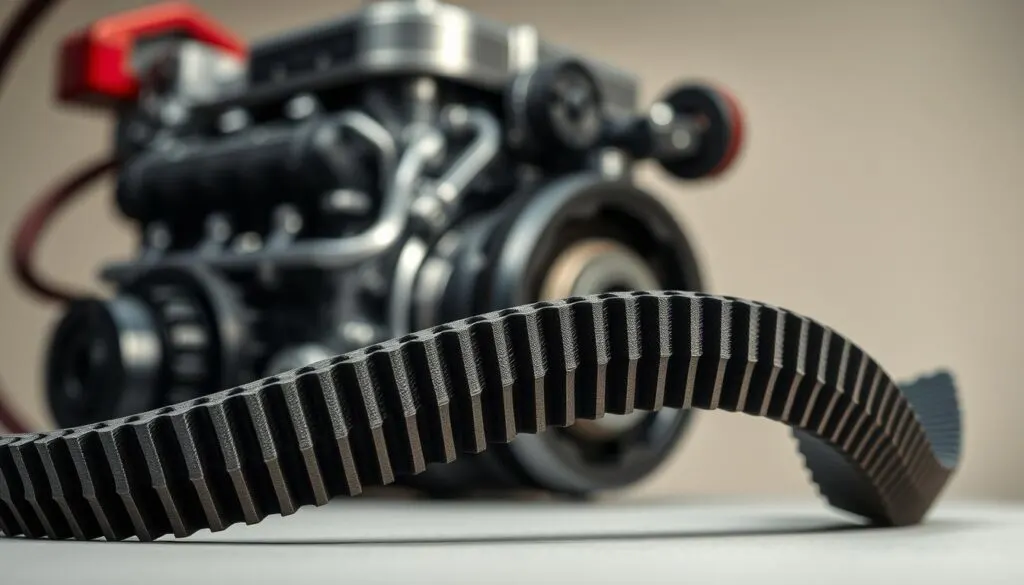
How each system works and why it matters
Timing chain: A metal loop inside the engine. It runs in oil, usually behind a sealed metal cover, and often lasts longer than a belt. Chains can be noisier and need tensioner and oil-care attention.
Timing belt: A reinforced rubber belt outside the main oil sump. It is quieter and lighter but requires scheduled replacement to avoid catastrophic failure.
Wet belt: An oil-immersed rubber belt inside the engine. It combines compact packaging and low noise but depends on clean oil and can complicate repairs. Some manufacturers use wet belts for packaging or efficiency gains.
Quick how-to-check checklist
- Check the owner’s manual first for definitive verification.
- Look for a plastic access cover in the engine bay—often a belt setup.
- No simple access and a sealed metal cover usually means a chain or wet belt.
- Remember trims and model years vary; always confirm by engine code.
Next: The remainder of this article lists engines by make and family so you can reliably predict which setup a specific model uses.
List of Cars with Timing Chains by make and engine family
Use engine family and code to verify drive hardware before you buy. Below are common engine families and practical notes for U.S. models so you can match the exact engine in a given model year.


Audi — EA888 and 3.0 V6 TDI
EA888 1.4/1.5/1.8/2.0 TFSI: Widely used in A3/A4/A5/Q3/Q5 series and normally chain-driven.
3.0 V6 TDI: Chain sits at the rear of the block; replacement often needs gearbox removal, increasing labor cost.
BMW & MINI — B-series modular
B-series modular means a shared family across 3, 4 and 6 cylinders. These engines generally use chains, though location and service complexity vary by model year and packaging.
Mercedes-Benz
Modern M274/M264 petrol and OM654/656 diesel families (2015+) use rear-mounted chains. Rear placement can raise labor time for repairs.
Ford
Examples like the 2.0 EcoBoost are chain-driven in many mid‑size and SUV applications. Note: Ford also uses belt and wet designs elsewhere, so confirm by engine code.
Jaguar / Land Rover
Ingenium 2.0 petrol/diesel and the 3.0 i6 P400 use dual chains. Early 2.0D variants reported premature stretch; check service history and updated parts.
Honda
Common U.S. engines such as L15B7 (1.5), R18 (1.8), and K20C (2.0) use roller chains. These appear in Civic, CR‑V, HR‑V and performance models.
Hyundai / Kia
T‑GDi petrol engines (1.0/1.5/1.6) are chain-driven. Some diesel variants may use belt or chain depending on the application—verify the engine code.
Mazda
Skyactiv‑G and Skyactiv‑D ranges use chains across many Mazda cars and crossovers, simplifying ownership for buyers who prefer metal-driven designs.
Nissan / Renault
HR13DDT 1.3 and HR10DDT 1.0 DIG‑T engines use chains. Exception: Qashqai e‑POWER 1.5 uses a wet belt, so check the exact model and powertrain.
Toyota / Lexus and general callouts
Toyota hybrid Atkinson‑cycle engines (1.5/1.8/2.0/2.5) and certain performance engines use chains. General brand mentions such as Cadillac and select Chevrolet examples appear in compiled lists, but coverage varies by market and year.
Engine reliability and ownership notes for timing chain cars
Real-world ownership shows big differences between scheduled belt swaps and longer-lived chain designs.
Service intervals and what to expect. Typical timing belt windows are around 40,000–100,000 miles. Many timing chains run 80,000–120,000 miles and can exceed 200,000 miles with proper care.
Manufacturer guidance and driving conditions change those ranges. Heavy towing, infrequent oil changes, or lots of short trips shorten service life.
Warning signs and early actions
Common symptoms: cold-start rattle, misfires, check engine light, loss of power, or a no-start condition. These signs often precede major failure.
If you notice symptoms, don’t postpone diagnostics. Scan for codes, confirm oil level and condition, and have a qualified shop inspect stretch, tensioners, and guides before a full replacement job is needed.
Why chain replacement can be a major job
Some engines hide the chain behind sealed covers or at the rear of the block. That layout raises labor time and total cost compared with an exposed belt service.
Buying tip for used cars: prioritize a documented oil-change history, listen for startup rattle during a cold start, and ask for a pre-purchase inspection focused on timing components.
Bottom line: a chain reduces scheduled maintenance but still needs oil-care discipline and prompt attention to symptoms. Chain-driven does not guarantee trouble-free ownership; known weak points exist in certain families, so verify before you buy.
Conclusion
Confirm the exact engine code before you assume service needs or costs. A metal chain often reduces scheduled swaps, but ownership depends on maintenance history and access for repairs.
Next steps: check the owner’s manual and the engine ID. Look for a plastic cover in the bay to hint at an external belt, but always verify by code.
Remember exceptions exist. Some model years or trims switch designs, and a wet belt can appear where you expect a chain.
For a deeper reference on a specific Toyota V6, see this Toyota 4.0 V6 guide. Confirm hardware, request service records, and factor labor when estimating total ownership cost.
FAQ
What are the main differences between a timing chain, timing belt, and wet belt?
A timing chain is metal, runs inside the engine and is lubricated by oil. A timing belt is a rubber composite that runs outside the engine and needs periodic replacement. A wet belt is a rubber-style belt designed to run in the engine’s oil and combines some chain-like longevity with belt noise and weight benefits.
How does each system affect engine reliability?
Chains typically last longer and tolerate high mileage if tensioners and guides are maintained. Belts offer quieter operation but require scheduled replacement to avoid catastrophic failure. Wet belts reduce noise and can extend service life over dry belts, but failure still risks engine damage if not checked.
How can I tell which timing system my car has?
Check the owner’s manual or the engine cover for markings. Service schedules list belt or chain inspections and replacement intervals. If the manual specifies a replacement interval (e.g., 60k–100k miles), it’s likely a belt; chains usually lack a fixed replacement interval but have inspection points.
Which Audi engines use timing chains and which issues should owners watch for?
Many Audi EA888 petrol engines and the V6 TDI families use chains. Common concerns include stretched chains, failing guides, and oiling issues. Regular oil changes and monitoring for rattles on cold starts help prevent major repairs.
Do BMW and MINI engines use timing chains or belts?
Modern BMW and MINI engines in the B-series modular line are chain-driven. Chains improve longevity, but owners should watch tensioner and guide wear, especially on higher-mileage units.
Are Mercedes-Benz petrol and diesel engines chain-driven?
Most modern Mercedes petrol and diesel engines use timing chains. Issues are rare with proper maintenance, but noisy operation and check-engine lights can point to tensioner or guide problems that need early attention.
Which Ford engines use timing chains?
Several Ford engines, including many 2.0L EcoBoost variants, are chain-driven. Chains can be durable, but turbocharged engines need regular oil service to protect tensioners and reduce wear.
What about Jaguar and Land Rover Ingenium engines?
Ingenium petrol and diesel engines are generally chain-driven. Some owners report chain stretch or guide wear at higher miles; following manufacturer oil-change intervals and using specified oil helps longevity.
Which Honda models have timing chains?
Many modern Honda engines in the Civic, CR‑V, HR‑V and other models use timing chains. Chains rarely require scheduled replacement, but unusual noises or rough idling warrant inspection.
Do Hyundai and Kia use timing chains in their engines?
Hyundai and Kia have moved many T‑GDi petrol engines and select diesels to chain drive. These chains are generally reliable; maintain oil service intervals and watch for tensioner or guide complaints in online service bulletins.
Are Mazda Skyactiv engines chain-driven?
Many Skyactiv‑G and Skyactiv‑D engines use timing chains. Mazda recommends regular oil service and attention to any abnormal engine noise, which can indicate guide or tensioner wear.
What should owners of Nissan and Renault DIG‑T engines be aware of?
Several DIG‑T engines use timing chains, but some Renault‑derived units and specific models may use wet belts. Confirm via the manual. For chain units, monitor for rattles; for wet belts, follow replacement guidance in service documents.
Do Toyota and Lexus engines use timing chains?
Many Toyota and Lexus engines, including those in hybrid and performance models, use timing chains. These are designed for long life, but owners should heed oil-change schedules and investigate noise or performance changes early.
How often do timing chains need service compared to belts?
Timing belts have defined replacement intervals (commonly 60k–100k miles). Chains do not always have scheduled replacements but require inspections and may need tensioner or guide work at high mileage. Regular oil changes extend chain life.
What are the warning signs of timing chain wear?
Warning signs include rattling on cold start, irregular engine timing, misfires, check-engine lights, and oil contamination. If you notice these, have a qualified technician inspect tensioners, guides, and chain stretch before more extensive repairs are needed.
Can I delay chain or belt service if the engine seems fine?
Delaying belt replacement risks catastrophic engine damage when the rubber fails. Chains can sometimes run longer, but ignoring noises or service recommendations raises the chance of expensive repairs. Follow the manual and address unusual sounds promptly.
How much can timing chain repairs cost compared to belt replacement?
Belt replacements are generally inexpensive and routine. Timing chain repairs, especially if they involve internal damage or head work, can be costly—often several times a belt job. Early diagnosis of tensioner or guide wear keeps costs lower.
Are aftermarket parts for chains reliable?
Quality varies. Use reputable aftermarket brands or OEM parts for tensioners, guides, and chains. Cheap components can fail prematurely and lead to major engine damage.
Where can I find accurate information about my vehicle’s timing system?
The owner’s manual, official dealer service literature, and the engine cover markings provide definitive answers. Independent shop service records and manufacturer service bulletins also help identify known issues for specific engine families.