
Many owners wonder whether their car has true adaptive suspension hardware and if the nearby control really alters the feel. This intro clears that up and sets realistic expectations for comfort versus control.
First, we define the button and show why drivers pick Comfort, Sport, or Sport+ to tune the ride in real time. You’ll learn what a “smoother ride” means in BMW terms: less harshness over rough pavement while preserving stability and body control.
Next, preview the practical steps: locate the control, select your mode, watch the dash confirmation, and test the same stretch of road to judge changes. Pay attention in corners, transitions, and under braking, where differences are often more obvious than on straightaways.
If the switch seems inactive, we list quick checks you can perform and what info to bring when you talk with a dealer. This section focuses on simple, actionable guidance so you can match settings to the road and your goals today.
Key Takeaways
- The control lets you balance comfort and handling in real time.
- Expect subtle change on straights; larger gains in corners and transitions.
- Follow simple steps: find the control, pick a mode, confirm the display.
- If you notice no effect, perform checks and note details before dealer visits.
- This guide separates hardware differences from drive-mode naming for clarity.
What the BMW Adaptive Suspension Button Actually Controls
This control changes the car’s damping, not just the label on the infotainment screen. It directly alters chassis firmness through electronically controlled dampers. That hardware response is what produces a firmer or softer feel, especially during changes in direction or speed.
Adaptive suspension vs display “Adaptive” mode
Adaptive suspension refers to the physical system of adjustable dampers. The display’s “Adaptive” driving mode is a selectable profile that may change multiple systems. Owners often see both and ask if they mean the same thing.
What “adaptive” means in real driving
The system can hold a fixed target—Comfort, Sport, Sport+—or vary firmness dynamically when the vehicle includes Dynamic Damper Control or M Adaptive Suspension. That dynamic logic reacts to steering, throttle, and braking inputs and road events.
Availability and option packages
Not all trims include these dampers. Some M variants have the feature standard, while other models list it as an option. Check spec sheets and community posts when you hear the common owner question, “Does this button do much?”
- Direct effect: damper firmness via electronic valves.
- Separate concepts: hardware suspension vs screen mode.
- Depends on options: presence and behavior vary by trim and package.
How to Use BMW Adaptive Suspe Button for a Smoother Ride
Locate the suspension icon left of the shifter, then use it to cycle firmness on the fly. Owners usually recognize the strut graphic near the gear selector; some cabins place it on the center console or near drive-mode toggles.
Find the control
Press the button with the strut symbol. If layouts vary, look for a small suspension icon or check the owner’s manual.
Cycle chassis settings
Tap the button to move through Comfort → Sport → Sport+. Watch the cluster or iDrive for confirmation that the new setting is active.
When adaptive drive mode is present
Adaptive drive mode sits between Comfort and Sport. It can change damper rates on the fly and may use navigation data to anticipate rougher stretches.
Match setting to conditions and goals
- Comfort: best for uneven roads and long trips; gives the smoothest feel.
- Sport / Sport+: firms the chassis for tighter control on twisty pavement; expect more feedback over joints.
- Default routine: start in Comfort for daily driving, switch to Sport when roads get spirited, and use Sport+ only on smooth surfaces.
Comfort Mode vs Sport Mode vs Sport+ Mode: What Changes in the Ride
Comfort, Sport, and Sport+ set different suspension targets and shift how the car feels on typical roads. Below are practical, driver-focused notes that describe what each selection actually does.
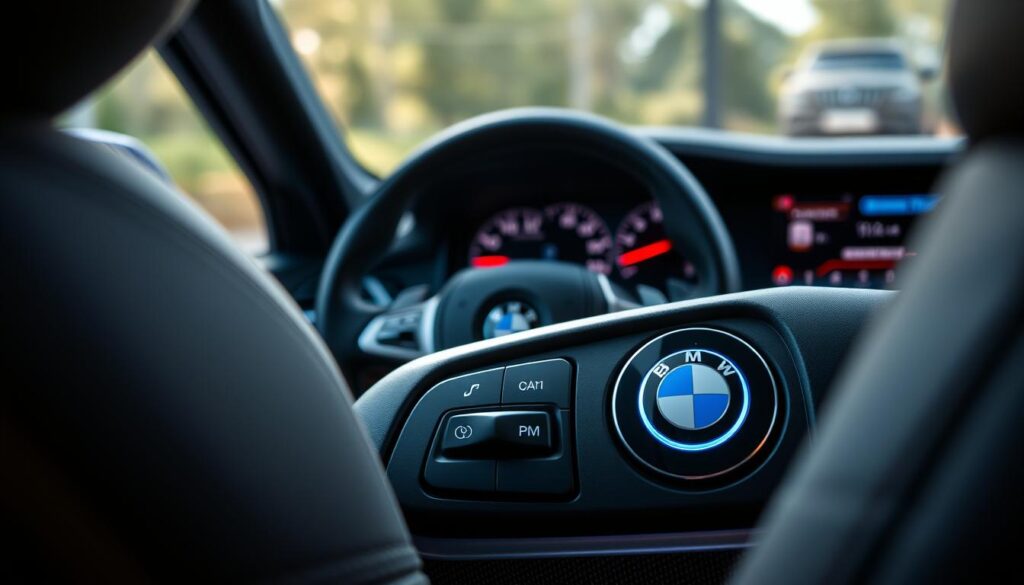

Comfort mode for daily roads and long drives
Comfort targets softer damping. It soaks up rough pavement and lowers busy vertical motion on long trips. Expect a calmer cabin and fewer small jolts on broken surfaces.
Sport mode for firmer control and reduced body motion
Sport firms the chassis a bit. That change improves composure during lane changes and mid-corner bumps. It balances compliance with sharper handling when you need more control.
Sport+ mode for maximum firmness and handling-first setup
Sport+ is the firmest target. It favors immediacy and reduced body roll, but sharp edges and joints feel more pronounced. Use it on smooth roads for the best payoff.
Why steering and throttle can feel different even when suspension changes are subtle
Some cars tweak steering weight and throttle mapping alongside damping. That makes the overall sensation more dramatic than the suspension change on its own.
- Quick rule: Comfort = compliance, Sport = control, Sport+ = maximum firmness and immediacy.
- If you want to isolate chassis feel, try modes while keeping engine responses steady or consult an advanced traction explanation.
When You’ll Notice the Biggest Difference From the Suspension Setting
Weight transfer moments — like corner entry and sudden lane changes — reveal damper behavior best. During turn-in and quick transitions the suspension must control body roll and pitch. That is where damping differences show up most clearly.
Corners, transitions, and braking vs steady straight-line cruising
Quick inputs force the chassis to shift mass. You’ll sense firmer damping as crisper steering and reduced roll in Sport settings. By contrast, steady cruising on smooth pavement often feels similar across modes unless you hit a sharp bump.
Rough pavement, expansion joints, and uneven roads
On broken surfaces, Comfort soaks impacts and lowers harshness. Sport and Sport+ will transmit more texture and edge over expansion joints. That trade-off is the core difference most drivers report.
Why your perception can vary by wheels, tires, and driving speed
Large wheels and low-profile tires make every mode feel firmer. Wheel and tire choice can shrink the apparent gap between settings. Higher speeds also magnify damping effects over undulations, so differences become more obvious with pace.
- Quick checklist for an objective test: same route, same speed, matched tire pressure, back-to-back mode changes.
- Driver goal tip: pick Comfort or Adaptive for smoother commutes; choose Sport for stability on imperfect back roads.
- See how wheel setup affects handling in this short comparison: wheel offset guide.
Troubleshooting: If the Button Doesn’t Seem to Do Much
Verify the car actually has adaptive dampers by checking the vehicle’s option list in the iDrive or the sticker/option sheet in the trunk. Press the control and watch the cluster or iDrive for an explicit mode change message. If the display does not confirm a new setting, the system may not be fitted.
Why the change can feel minimal
Smooth roads, mild driving, or large wheels and low-profile tires can mask damping differences. Some cars have a conservative baseline, so Comfort and Sport feel closer than expected.
Simple tests you can run
- Find a rough patch or a speed bump and perform back-to-back mode changes while keeping speed steady.
- Note whether the display confirms each mode and whether the car’s body motion shifts.
- Record conditions: speed, tire pressures, route segment, and what you expected vs what you felt.
EDC, Dynamic Damper Control, and M Adaptive Suspension — the naming gap
EDC, Dynamic Damper Control, and M Adaptive Suspension are labels that vary by model and market. They can describe similar hardware or different control logic. That naming mismatch often fuels questions in posts and thread replies.
Documenting the issue for a dealer while under warranty
Describe symptoms factually: which mode was selected, exact conditions, and the display response. Ask the dealer to verify operation with diagnostics rather than relying on forum replies. It’s reasonable to request a warranty check if the button cycles modes but the ride difference is consistently absent.
Dialing In Your Preferred Setup for Daily Driving
Aim for a repeatable setup so the car reacts predictably across familiar roads.
Use adaptive suspension as a comfort+ compromise: select the adaptive drive mode when you want softer damping on rough pavement that firms when inputs get sharper. Many drivers call this the between option because it blends calm cruising with responsive handling.
Pick a sensible default
Choose Comfort if your commute hits broken surfaces often. Pick Sport when you need crisper steering and quicker throttle response. If equipped, keep the adaptive mode as your daily setting when you want both traits.
Separate drivetrain and chassis where possible
iDrive often lets you tune engine and damping independently. You can run a soft chassis with a livelier engine map for on-demand punch, or firm the chassis while keeping throttle calm for steadier traffic driving.
- Example: Comfort chassis + Sport engine for responsive passing without a harsh ride.
- Example: Sport chassis + Comfort engine for stable handling with gentler throttle tip-in.
- Routine: Adaptive/Comfort most days, switch to Sport on twisty stretches, avoid Sport+ on rough roads.
Conclusion
In closing, remember the small control directly targets damper firmness in the chassis, not just a label on the dash.
Practical takeaway: pick comfort for calmer daily travel, choose sport when you want firmer feel, and reserve Sport+ for smooth surfaces that reward maximum stiffness.
Consider the adaptive suspension option as the middle ground that adjusts on the fly. Test changes on rough pavement, expansion joints, and during quick transitions rather than on smooth cruising sections.
If effects seem missing, confirm the car has the correct option, watch for display confirmation when the button is pressed, and document what you felt before visiting a dealer.
Next steps: pick a default setting, test on a known route, tweak based on comfort versus control, and recheck after wheel or tire changes so your drive matches road conditions and goals.
FAQ
What exactly does the adaptive suspension control change in the car?
The system adjusts damper firmness in real time, altering how the chassis absorbs bumps and body motion. On softer settings it soaks up road imperfections for comfort; on firmer settings it reduces roll and pitch for better handling. The control links dampers, and sometimes spring tuning and roll-stiffness logic, with steering and throttle mapping on some models.
How is adaptive suspension different from the drive mode shown on the display?
The display’s “drive mode” often bundles several systems—engine response, transmission, steering weight, and suspension—into one selectable profile. Adaptive suspension specifically targets the dampers (and their response curves). When both are available, selecting an overall drive mode will typically change damper behavior plus other vehicle systems.
Why is the adaptive dampers option only on certain BMW/M variants or option packages?
Manufacturers fit adaptive dampers as part of higher trim levels or performance packages because they add cost and complexity. M Sport, Performance, or Individual packages frequently include Dynamic Damper Control or M Adaptive Suspension as a selectable option rather than standard equipment.
Where is the suspension control button typically located?
You’ll usually find the suspension or damper control near the center console—close to the shifter or on the drive mode cluster. Some models place it in the iDrive menu on the central display instead of a physical button.
Which mode should I pick for daily commuting on mixed roads?
Comfort mode is the usual choice for daily driving: it prioritizes ride quality on potholes, expansion joints, and speed bumps. If roads are smooth and you want a bit more responsiveness without sacrificing much comfort, an adaptive or Comfort+ compromise can work well.
When is Sport mode preferable over Comfort?
Choose Sport for tighter corners, spirited driving, or when you want reduced body roll and quicker chassis responses. Sport firms the dampers and often sharpens steering and throttle response, improving feedback at the cost of some ride suppleness.
What does Sport+ change beyond Sport?
Sport+ typically delivers the firmest damper settings, more aggressive traction-management thresholds, and the most direct steering and throttle mapping. It’s aimed at track use or aggressive driving where handling precision outweighs comfort.
Why might steering and throttle feel different even if damping changes are subtle?
Drive modes often reconfigure multiple systems. Even a modest damper adjustment can coincide with stiffer steering calibration and sharper throttle mapping, so the overall driving feel changes more than damping alone might suggest.
On what driving conditions will I notice the biggest suspension differences?
You’ll feel the most change through corners, transitions between different road surfaces, and during hard braking or acceleration. Firm settings show benefits on twisty roads; soft settings provide clear gains on rough pavement and long highway stretches.
Why does the suspension setting seem to do almost nothing on some roads?
Several factors can mute perceived change: low-profile wheels and stiffer tires, worn suspension components, or very smooth pavement make differences less apparent. Also, some manufacturers tune adaptive systems conservatively, so damper variance is modest.
How can I confirm my car actually has adaptive dampers?
Check the window sticker or build sheet for Dynamic Damper Control, Electronic Damper Control (EDC), or M Adaptive Suspension. The car’s menu should list damper or suspension status; a dealer can confirm via VIN if you’re unsure.
What common reasons make ride changes feel minimal even with adaptive dampers?
Minimal change can stem from tire choice, wheel size, worn shocks, or electronic limits set by the OEM. If the system is operating but the hardware or configuration reduces range, the difference between modes will be subtle.
How should I describe suspension issues to a dealer while under warranty?
Note specific symptoms: which mode you selected, exact road conditions, speed, and the difference you expected versus actual feel. Mention noises, harsh impacts, or lack of mode response. Provide the vehicle VIN and recall or option-package details if available.
What’s the difference between EDC, Dynamic Damper Control, and M Adaptive Suspension?
These are branded names for adaptive damping systems. EDC and Dynamic Damper Control describe factory adaptive shock control. M Adaptive Suspension usually adds sport-oriented calibration and more aggressive settings for M-branded models. Functionally they adjust damping but differ in tuning and available modes.
Can I use adaptive drive mode as a Comfort-plus compromise?
Yes. Adaptive drive mode actively adjusts damping in real time, often settling between Comfort and Sport as road inputs change. It provides a balanced blend of ride quality and control without manual switching.
How do I set a default suspension behavior for everyday driving?
Many vehicles let you configure default drive modes via the iDrive or vehicle settings menu. Choose your preferred chassis behavior (Comfort, Adaptive, Sport) as the startup default, and save that profile so the car recalls it each time you drive.