
This section gives a U.S.-focused, real-world look at whether the jeep gladiator holds up as a daily truck and lifestyle choice.
Reliability here covers breakdown risk, recurring faults, warranty span, and whether the vehicle stays easy to live with after the initial honeymoon.
Expect a clear preview of the main pros — unique Jeep-based pickup layout, off-road hardware, strong visibility, and very light steering effort — and the main cons — wind and road noise, fuel economy hits, build-quality complaints, and parking stress from length.
Findings will vary by trim, drivetrain, years, and driving environment, so conclusions are conditional. Later sections use long-term test results, repair histories, downtime data, and owner reports to ground recommendations.
Goal: Help U.S. shoppers weigh the Gladiator’s lifestyle value against potential ownership costs and daily annoyances.
Key Takeaways
- We define reliability by mechanical faults, recurring issues, warranty, and everyday livability.
- Strong points include off-road readiness, visibility, and easy steering effort.
- Main drawbacks: noise, mpg, and reported build-quality rattles.
- Reliability differs across trims, drivetrains, models, and model years.
- Later sections use long-term test data and owner reports to support conclusions.
What “reliability” really means for a Jeep Gladiator pickup in the United States
Reliability for a midsize pickup blends mechanical durability with the everyday feel that shapes ownership. Owners report trouble across many systems, so a clean engine does not tell the whole story.
Mechanical durability covers engine, transmission, axles, and suspension. Systems reliability includes electronics, infotainment, and electrical accessories. Day-to-day livability means noise, seals, and fit that affect the driving experience.
Mechanical durability vs. daily livability
Body-on-frame trucks can stay tough off-road yet feel unrefined on pavement. That contrast often creates complaints that are about comfort, not core failures.
Why mileage, environment, and trim matter
- Mileage: higher mileage raises the odds of wear items—brakes, tires, seals—compounding into perceived unreliability.
- Environment: highway crosswinds, winter salt, towing, and off-road use accelerate wear and expose weak points.
- Trim and options: locker hardware, larger tires, and advanced electronics change both failure risk and repair cost.
Think of real-world reliability as a sum: mechanical failures + downtime + cost + repeat annoyances. That framework guides later sections and helps buyers compare models and ownership expectations.
How Reliable Are Jeep Gladiators based on real-world ownership and long-term testing
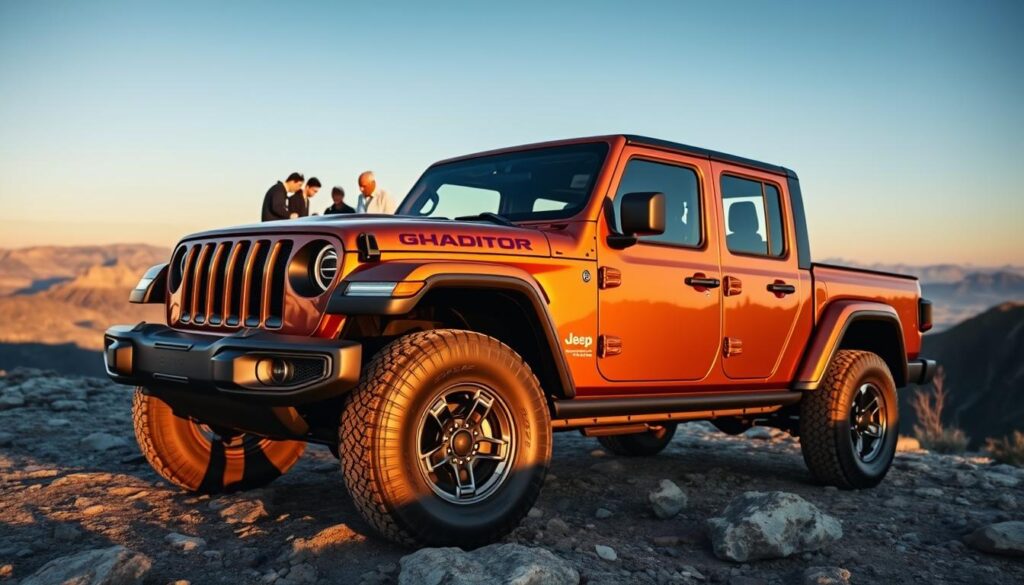
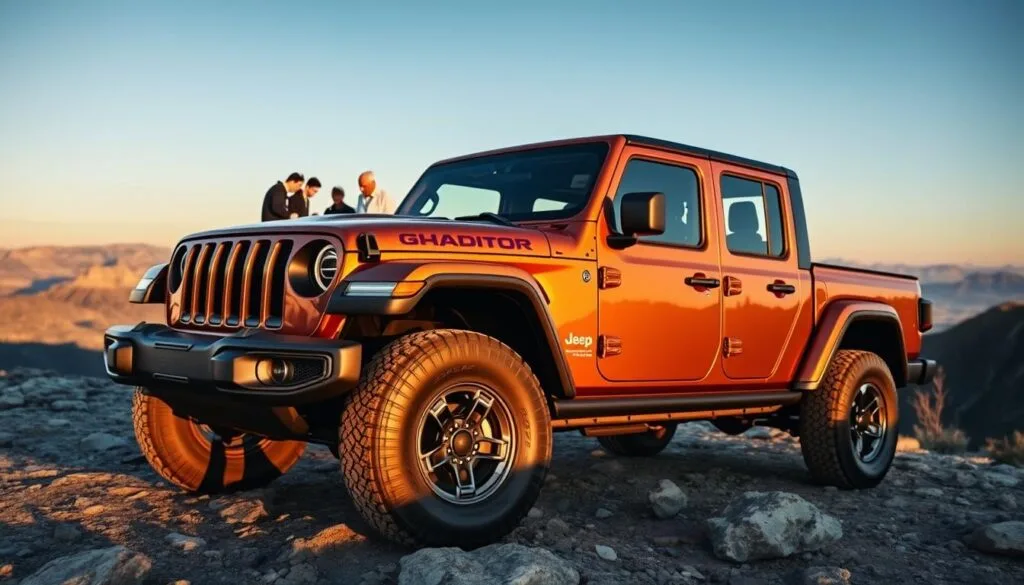
Long-term driving reveals the real costs: extended shop stays, recurring fixes, and wear that short tests miss. At ~30,000 miles a Mojave long-term test showed two major warranty repairs that shaped ownership experience.
Long-term test takeaways around 30,000 miles
The test needed a manual transmission replacement at 8,424 miles, which produced 29 days out of service. A rear axle assembly was replaced at 24,491 miles for a faulty locker actuator, adding 9 more days.
Warranty reality and downtime
Warranty covered parts and labor, but not the lost time. Weeks in the shop matter for commuters and families; repairs were costly in disruption even when cost was zero.
Owner-reported trouble spots
- Drivetrain: transmission and axle actuator faults.
- Steering/suspension: wander and wear items.
- Electronics: infotainment and accessory glitches.
- Build quality: rattles, wind noises, and trim issues.
Running costs by 30k: about $622 service + $276 tire work, ~16 mpg average and 15 mpg at higher speeds, plus noticeable cabin noise (71 dB at 70 mph). These figures explain why perceived reliability often tracks downtime and daily annoyances, not just whether the core engine survives.
Biggest reliability concerns to know before you buy
Focus first on systems that can immobilize the truck or require major shop time: transmission, axle/differential hardware, and steering stability top that list. These faults matter more than fit-and-finish annoyances because they affect downtime and cost.
Transmission and recall-related risks
The manual transmission proved a high-stakes area. Owners reported clutch rattle and gearbox whining that led to a full transmission replacement under warranty at 8,424 miles. A documented recall history raises the need to confirm completion on any used example.
Rear axle and locker electronics
Electronic locker actuators add capability but also complexity. A small actuator or wiring fault triggered a rear axle assembly replacement at 24,491 miles in one long-term test. That shows how a minor electrical issue can become a major axle repair.
Steering, highway stability, and suspension wear
Expect lane wandering and crosswind push that demand frequent steering corrections and increase fatigue on long runs. Pay attention to wheel alignment, suspension condition, and steering wheel feel during a highway test drive.
Fuel, tires, and wear-item cadence
Real-world numbers run about 16 mpg overall and 15 mpg at 75 mph. Low fuel economy raises operating costs and stops more often on long trips. Tires and brakes wear faster with larger tread patterns; expect tighter service intervals even if major failures sit under warranty.
- Severity lens: transmission and axle faults = stop-driving events. Steering and mpg = ongoing cost and comfort issues.
- Inspect service records, recall completion, axle/locker operation, and test for highway wander before buying.
Build quality and cabin complaints that impact long-term satisfaction
Cabin fit and finish shape daily happiness as much as drivetrain uptime. Rattles, wind, and seal wear don’t stop the truck, but they do reduce enjoyment and resale value. Owners often cite persistent noises at highway speeds and trim gaps that show up over time.
Noises and leaks: what to listen for
Expect common sources of noise: removable top and door interfaces, weather stripping, and loose trim. Wind at 70 mph often registers around 71 dB, making long trips tiring.
During an inspection, listen for squeaks with doors closed, and check seals after washing. Leaks can start small but worsen with repeated top removal and seasonal temperature swings.
Interior durability and everyday use
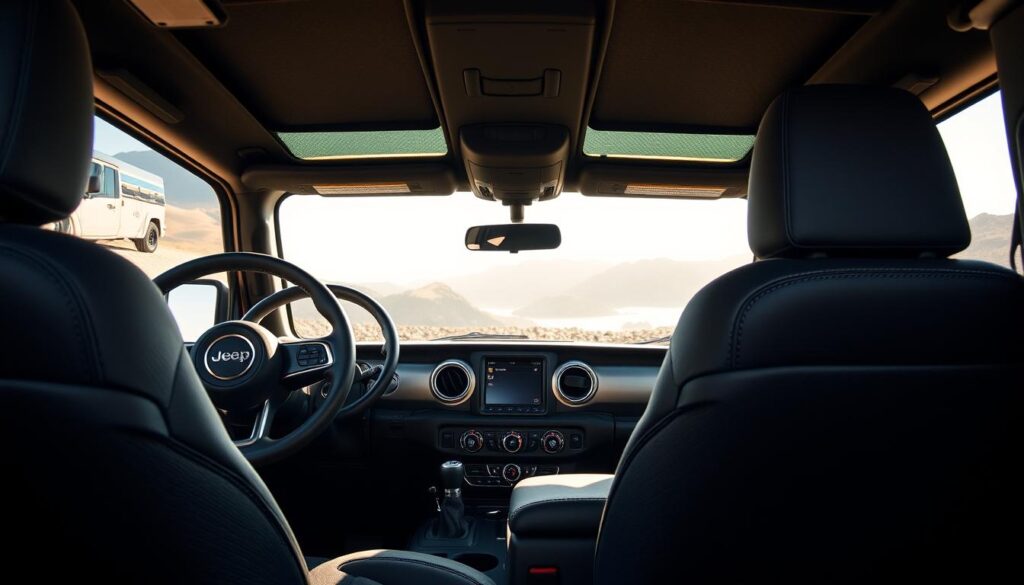
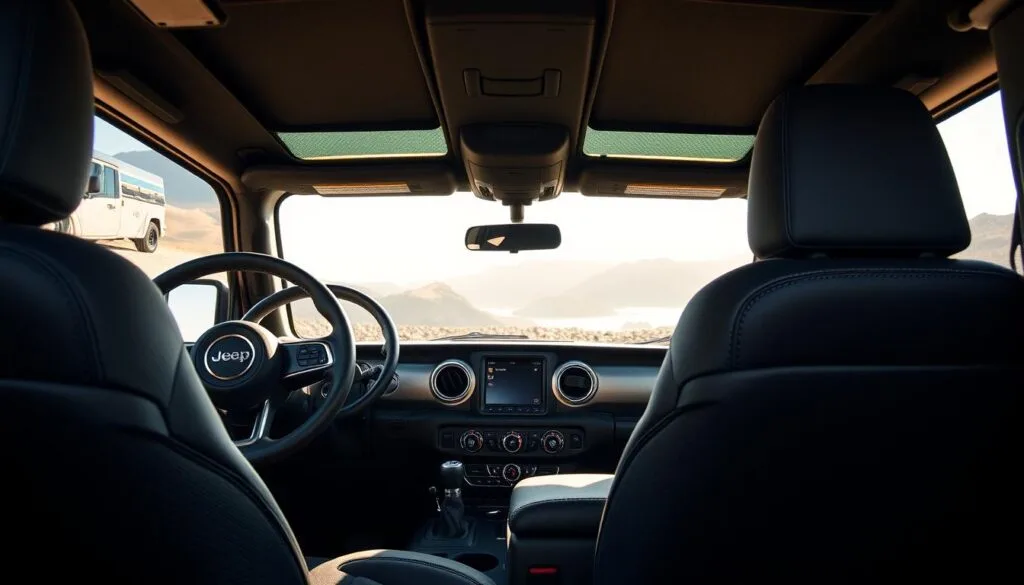
The interior favors a utilitarian, “spray-it-out” approach. Hard plastics clean easily and resist stains, but switchgear feel and trim fit can feel cheap.
Quality is mixed: surfaces survive mud and gear, yet loose knobs or misaligned panels can become long-term annoyances.
Infotainment system and in-car electronics
Modern infotainment systems add convenience but also failure points. Screens, cameras, and sensors have been reported to glitch or lose calibration.
Added accessories — auxiliary lights, upgraded system modules, and electrical extras — increase capability but raise troubleshooting needs as the truck ages.
- Build vs. mechanical: rattles and wind noise hurt satisfaction though they don’t stop the vehicle.
- Inspect: seals, removable top fit, electronics, and camera operation before purchase.
- Livability: bed usability and tight urban parking affect day-to-day happiness even if reliability is intact.
Where the Gladiator is strong and tends to deliver over time
This pickup’s core strengths show up quickly: rugged underpinnings, simple 4WD hardware, and a low loading height that make daily use straightforward.
Off-road hardware advantages
Solid axles and a traditional four-wheel-drive layout give durable performance in rough use. These parts tolerate mud, rocks, and repeated trail duty better than many unibody rivals.
Durability comes with tradeoffs: ride and steering feel can be firmer on pavement, but the powertrain and axle design favor repairability and rugged service life.
Practical truck strengths
The low bed height makes loading easier and reduces strain when stowing gear. Visibility is excellent, so drivers spot obstacles and parking lines with less stress.
Built-in cargo options and simple tie-downs suit weekend gear and light overlanding without adding complexity in base trims.
Why many drivers still love it
The convertible format and iconic brand identity create an owning experience that many value more than quieter cabins or peak fuel economy.
- Community and parts: strong aftermarket support helps keep maintenance straightforward.
- Base capability: even entry-level models feel mission-ready; most options add comfort, not core capability.
- Long-term value: for drivers seeking open-air adventure, the design and brand appeal often outweigh refinement compromises.
Which trims, model years, and setups are most reliable for your use case
Picking the right model year and setup makes a big difference in ownership cost and downtime.
Commuter / daily driver: Favor later model years with updated electronics and the eight-speed automatic. The auto reduces stress in traffic and carries a higher towing rating (about 6,000 lbs) than the manual. Expect smoother shifts and fewer major gearbox issues over time.
Off-road vs. mixed use
Rubicon adds front locker and sway-bar disconnects for trails, but that extra hardware raises complexity and potential repairs. Mojave tunes suspension for high-speed desert runs and keeps front locker hardware simpler in some trims.
Engine and transmission notes
The 3.6L gas engine feels peaky; torque builds higher in the rev range, which can make city driving feel strained. Where available, the diesel option gives more low-end torque and calmer highway cruising.
Practical ownership and used-buy checklist
- Confirm recall completion and documented oil/service history.
- Verify axle and locker operation; test 4WD systems on and off road.
- Watch for steering wander, clunks, and odd electronic messages during a test drive.
- Review warranty and past repairs: transparent records can turn a repaired vehicle into a fair value buy.
For fuel notes and compatibility questions, see this guide on unleaded 88 fuel.
Conclusion
This pickup delivers unique open-air appeal, yet notable mechanical and comfort downsides shape long-term value.
Verdict: the jeep gladiator can suit owners who value trail readiness and a convertible-style truck. It holds charm and capability, but it brings a higher chance of annoying faults and occasional major repairs than more road-focused models.
Top strengths include the convertible layout, strong off-road hardware, excellent visibility, and useful daily usability when the setting matches the truck’s strengths.
Key negatives to weigh: transmission and rear-axle/locker repairs under warranty, persistent wind and cabin noise, and lower fuel economy that raises running costs over time.
Practical takeaway: pick drivetrain and trim to match your use, verify service history and recall completion, and run a detailed test drive. These steps save time and reduce the chance of inheriting unresolved issues.
Decision lens for U.S. shoppers: if you want a car-like commute, look elsewhere. If open-air character and trail-ready hardware matter most, the jeep gladiator’s compromises may be worth it — especially with solid warranty coverage.
FAQ
What does “reliability” mean for a Gladiator pickup in everyday use?
Reliability covers mechanical durability, frequency of repairs, and how the truck performs day-to-day. For a body-on-frame pickup that sees towing, off-road use, or daily commuting, that means durable drivetrain and suspension parts, predictable electronics, reasonable service intervals, and low likelihood of unexpected downtime.
How do mileage and driving environment change the reliability outlook?
Higher miles and harsh conditions—frequent off-roading, salty roads, or heavy towing—accelerate wear on axle components, brakes, and suspension. Urban stop-and-go driving stresses the transmission and brakes differently than highway miles. Trim level and options also affect longevity: heavy-duty off-road packages add components that need maintenance.
What do long-term tests reveal around 30,000 miles?
Real-world long-term checks typically report routine wear items, some electronics quirks, and occasional visits for steering or drivetrain software updates. Owners often see predictable maintenance costs early on, with most major failures uncommon before 30k miles when the vehicle is used and maintained normally.
How does the factory warranty influence ownership risk?
The standard warranty covers many defects for the first few years, reducing out-of-pocket risk for covered failures. Major repairs documented under warranty—electrical fixes or component replacements—vary by case. Always verify whether recalls or extended coverage apply to specific model years.
What are the most commonly reported trouble spots from owners?
Owners frequently mention steering wander at highway speeds, wind and cabin rattles, infotainment glitches, and occasional axle or actuator complaints on 4WD systems. These issues often affect comfort and perceived quality more than core drivetrain reliability.
Are there known transmission and clutch concerns to watch for?
Some drivers report manual gearbox clutch noise or shifting feel; the eight-speed automatic can show hesitation or software-related behavior early in ownership. Properly diagnosing whether symptoms are tune-related or mechanical helps determine repair necessity and cost.
Should I worry about rear axle or differential faults?
Rear axle actuator faults and locker glitches have been reported, especially after heavy off-road use. Inspecting axle assemblies, locker operation, and differential seals during a pre-purchase check reduces risk of surprise repairs.
How does steering and on-road stability fare at speed?
Some owners notice wandering or sensitivity to crosswinds, partly due to truck proportions and tire choices. Proper alignment, tire selection, and careful load distribution improve highway stability and reduce fatigue while driving.
What ownership costs drive reliability impressions over time?
Fuel economy, tire wear, brake service, and scheduled maintenance shape long-term cost. Tires wear quicker with larger off-road rubber; city driving and towing increase service frequency. Budget for these items when assessing overall reliability.
What cabin and build-quality issues affect long-term satisfaction?
Common cabin complaints include rattles, wind noise at speed, and wear on interior trim and switchgear. The Gladiator’s utilitarian cabin is easy to clean but less refined, so expect functional durability rather than luxury fit-and-finish.
Are infotainment and electronics a concern?
Screens, cameras, and sensors can experience software bugs or occasional failures. Keep software updated, confirm camera and sensor function during a test drive, and note any repeated complaints for the specific model year you’re considering.
Where does the truck truly excel for long-term ownership?
The body-on-frame layout, solid axles, and Jeep 4WD system give lasting off-road capability and robustness. Practical features—low bed height, usable cargo options, and straightforward mechanicals—contribute to durable, purpose-driven ownership.
Which trims and model years tend to be more dependable?
Later model years often benefit from software updates and incremental hardware fixes. Trims without highly specialized off-road components reduce potential service points, while proven setups—well-maintained eight-speed automatics and standard suspension—usually offer the most consistent ownership.
How should I choose between manual and eight-speed automatic for reliability?
Manuals have fewer electronics but depend on clutch wear; automatics require software calibration and periodic service. For heavy towing or daily commuting, the automatic often provides smoother operation and broader service support.
What engine choices matter for long-term behavior?
The 3.6L V-6 is widespread and familiar to independent shops, with predictable maintenance. Diesel options (where available) offer fuel efficiency and torque but require specific service knowledge and can cost more to repair.
What should I look for during a used-buy inspection?
Verify service records, confirm recall completion, test locker and axle operation, check for steering wander, listen for unusual drivetrain noises, and evaluate infotainment and camera functions. A full-service history and a careful road test reveal most red flags.
Do recalls or extended coverage affect ownership decisions?
Yes. Recalls address safety or major component faults and can include free repairs. Check the VIN with the National Highway Traffic Safety Administration or dealer to confirm recall status and any extended warranties that apply.
How do parking and daily maneuvering impact long-term comfort?
Size and turning radius influence urban ownership. Consider trim-specific bumpers and tire width for tight parking. Cameras and sensors help but don’t fully compensate for overall vehicle footprint.