
Unexpected sirens during a battery boost can alarm any driver. Many times the vehicle computer resets and locks, which triggers the security signal.
Do not ignore a loud alert. A sounding car alarm might mean an electrical fault or an attempted theft of your vehicle. Stay calm and assess the situation.
Knowledge of the system logic helps you silence the alert safely. Follow correct procedures to protect the car battery and the vehicle electronics. Quick, careful action reduces risk of damage.
Key Takeaways
- Remain calm and check the vehicle before touching cables.
- Understand that a reset can trigger the car alarm system.
- A sounding alarm may signal an electrical issue or theft attempt.
- Use correct jump procedures to avoid further electrical faults.
- Contact roadside help if the security system will not silence.
Understanding Why Your Alarm Triggers During a Jump Start
A sudden wake-up of onboard electronics can make your vehicle react as if a theft is underway. Modern cars use complex security logic. When power cuts out, the car computer often returns to the last mode it used. That can confuse the immobilizer and trigger an alert.
The Role of the Immobilizer
The immobilizer constantly monitors key signals and door locks. Reggie Whiddon, an automotive mechanic with 35 years of experience, notes that computers often revert to their last sleep mode when power is restored. This behavior can make the system assume a break-in.
Battery Voltage Drops
A sudden battery voltage drop or surge during a boost can make a car alarm system behave erratically. Many cars have sensitive electronics that read the surge as tampering. It is common for a lot of car alarms to be set off by these electrical fluctuations.
- Dead battery events may return the computer to its last state and trigger alarm activation.
- Sensitive immobilizers often interpret abrupt power changes as theft.
- Electrical surges can make alarm systems malfunction and sound the siren.
How to Stop the Alarm Going Off When Jump Starting
Unlocking the doors first is often the fastest way to quiet a car alarm during a battery boost. Use your remote fob or the physical key to send an owner signal. This tells the vehicle computer that an authorized user has arrived.
Cycling the ignition can act as a simple reset for many alarm systems. Turn the key to accessory, then off, and repeat once. That action usually clears the alert and lets you proceed with the boost.
Many cars rely on lock and ignition inputs as a verification step. Follow the manufacturer’s protocol when you turn car alarm alerts off. Avoid forcing wiring or using ad-hoc tricks that might harm sensitive electronics.
- Try remote unlock first, then a physical key if needed.
- Cycle ignition if unlock does not silence the siren.
- If the car alarm stays active, contact roadside help or the dealer.
Using Your Key Fob to Reset the System
A quick press of the unlock button can send the car a trusted signal and reset many security modes. Using your key fob at the driver door is often the fastest way to deactivate alarm sounds after a battery boost.
Troubleshooting key fob battery issues starts with simple checks. If the remote does not respond, the internal battery may be dead and will not reach the system.
Loss of synchronization is a common issue when the main battery drains completely. Press the unlock button several times; repeated signals can force the car to recognize the remote and turn alarm alerts off.
- Try remote unlock first then a physical car key if needed.
- Replace the key fob battery if the remote fails; it often fixes persistent car alarms and entry faults.
- If repeated presses fail, the key may need resyncing at a dealer or by roadside help.
Manual Door Unlocking Techniques
Manually inserting the key into the driver side door is one of the quickest ways to calm a noisy car alarm when remotes fail. Turn the key firmly; that physical action tells the vehicle that an authorized user is present.
Many modern models include a mechanical override in the side door lock. This design lets owners bypass electronic systems and regain entry without relying on battery power or a wireless signal.
Always check the driver side door lock first if a car alarm is blaring. The driver side is the primary manual entry point for most cars and often resets door sensors when engaged.
- Insert the key into the driver side door lock and turn once clockwise, then back.
- If the doors remain locked, try one more turn or open the side door fully to reset sensors.
- Using key access on the driver side bypasses the remote and often silences the car alarm quickly.
Checking the Owner Manual for Specific Deactivation Steps
The owner manual holds model-specific steps that can quiet a triggered alarm without guesswork. You should always consult the owner manual provided by the manufacturer to make sure you follow correct steps for your car model.
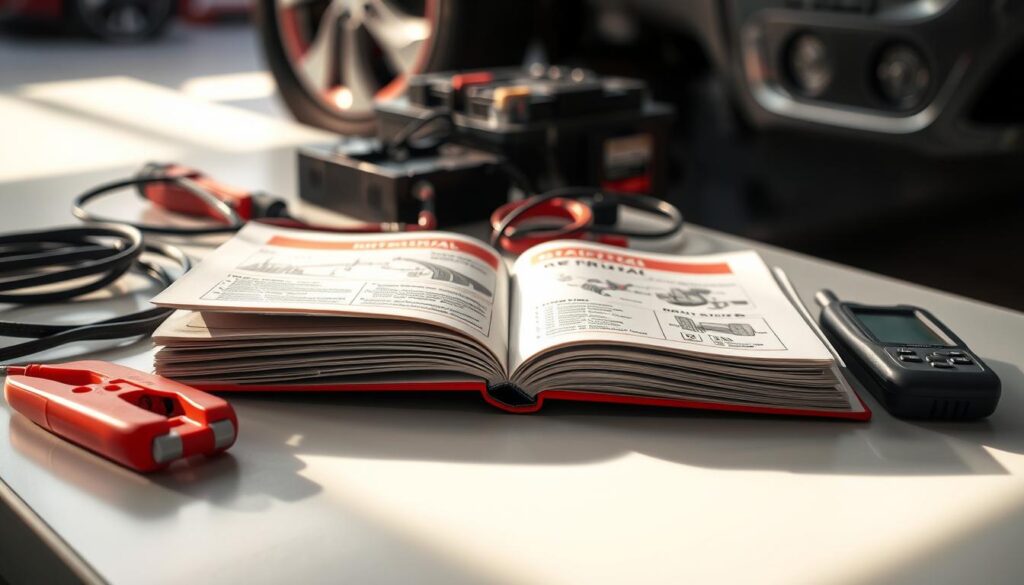
Car alarm systems vary by make and year. The manual often lists a specific sequence of key turns, button presses, or remote commands that will deactivate alarm sounds safely.
Make sure you have the correct owner manual for your vehicle. Generic advice may not match your car alarms and could cause other issues.
- Check owner manual steps for your exact model and production year.
- Look for a listed sequence of unlock, ignition, or fob presses to deactivate alarm alerts.
- If the physical manual is missing, check the manufacturer’s website for a digital owner manual.
Check owner manual guidance first; it often prevents needless troubleshooting and protects electronics in your car.
When to Consider Disconnecting the Battery
Only consider removing battery cables after you rule out simpler resets and remote fixes. Disconnecting power is a last-resort step for a persistent car alarm that will not respond to fob presses, door unlocks, or ignition cycles.
Risks of Data Loss
Modern vehicles store settings in volatile memory. If you disconnect battery power, a new car may lose radio presets, navigation data, and fault codes.
Always check your owner manual before you disconnect battery cables. Some models require a specific reset sequence after power is removed.
Proper Disconnection Sequence
Identify the fuse that controls the alarm system first. Removing that fuse often preserves car battery settings and is safer than a full disconnect.
- Locate the alarm or security fuse and remove it if possible.
- If you must disconnect battery terminals, follow the manual’s step-by-step sequence.
- Verify any reset steps required for a new car after reconnection.
Identifying Underlying Electrical Issues
Persistent alerts often signal a deeper electrical fault in your car. A failing sensor, a bad alternator, or a parasitic draw can make a car alarm keep going at odd times.
On some models, like a 2011 GMC Terrain, dust covers or corroded connectors set off false triggers. That lot of small faults can mimic theft and confuse body control modules.
Inspect battery and charging systems at least two times each year. Regular checks reduce surprise failures and often prevent repeated alerts.
- If an alarm keeps going repeatedly, suspect a faulty sensor or alternator.
- Interference from a nearby key fob or a damaged door sensor can trigger alarm sounds.
- When random alerts happen, seek professional diagnostic repair for a full electrical scan.
For a guided check of power and accessory faults, follow manufacturer steps or consult a detailed guide like battery checks.
The Role of the Car Computer in Alarm Activation
The engine control module sits at the heart of modern vehicle security and often decides when alerts sound. The car computer acts as the central control unit. It manages the alarm system and reads inputs from the key fob and door sensors.
When the engine receives a sudden voltage spike during a battery boost, the vehicle computer may interpret that surge as tampering. That reaction can trigger an alarm system even if no one is trying to steal the car.
Modern control modules are programmed to protect vehicle assets. Still, they can malfunction if battery voltage is inconsistent over multiple times. Repeated power swings confuse sensors and lockout logic.
If the car alarm stays active after simple resets, the computer may need a professional reset or diagnostic scan. Service techs can clear stored faults and confirm that the security control routines are working correctly.
- Central control: computer manages alarm and sensor inputs.
- Voltage spikes: engine boosts can trigger alarm activation.
- Professional reset: needed when alerts persist.
Safety Risks of Disabling Security Systems
Removing or bypassing protection modules makes cars an easy target for opportunistic thieves. It only takes moments for someone to steal vehicle assets once safeguards are altered.
Official data from the Office for National Statistics shows a 29% rise in car thefts in 2023. That increase highlights why permanent removal of anti -theft devices is dangerous.
- Higher theft risk: disabling security makes it simpler for criminals to steal vehicle parts or the whole car.
- Insurance exposure: tampering often voids coverage when a claim relates to a loss caused while protections were offline.
- Long-term damage: modern systems tie into many modules; improper changes can cause costly faults.
- Best practice: prioritize repair or professional diagnostics rather than permanent removal of car alarms or systems.
Keep security intact and seek trained help for any persistent fault. Preserving anti -theft integrity protects your vehicle and your wallet.
Professional Inspection and Diagnostic Services
When persistent alerts keep sounding, a trained technician can spot hidden faults fast. If a car alarm will not quiet and battery drains recur, seek a professional diagnostic. A shop can test systems safely and avoid guesswork.
Signs of Parasitic Drain
Parasitic drain shows as repeated battery failures, unexplained clicks, or a warning lamp that stays lit. A faulty sensor or a wiring short can pull current overnight and leave you stranded.
- If you cannot silence the car alarm, a professional inspection is needed to check for a parasitic drain and battery health.
- RAC patrols can fix 4 out of 5 breakdowns on the roadside and often identify the electrical issue that triggers alerts.
- A paid diagnostic, such as YourMechanic’s battery inspection ($94.99–$114.99), can pinpoint a bad sensor or engine fault fast.
- Delaying repair makes it easier for thieves to steal vehicle parts, so timely action protects the car and your wallet.
- Regular battery and electrical maintenance keeps systems reliable and preserves alarm function.
Conclusion
Clear steps and a steady hand reduce risk when a vehicle security system reacts to battery work.
Remain calm and follow simple checks before making electrical changes. Consult the owner manual for model-specific reset steps. A single trusted remote press or a keyed entry often ends a noisy car alarm quickly.
If alerts persist, seek professional diagnostics. A trained technician can spot parasitic drains and protect onboard modules. Keep a copy of the owner manual in the glove box so you have guidance on hand at any roadside event.
Follow these practical steps and you will protect electronics, preserve security, and keep your vehicle reliable for years.
FAQ
Why does my car alarm trigger during a jump start?
Many modern vehicles detect sudden voltage changes. When you connect jumper cables, the immobilizer or alarm control module can interpret the surge or drop as tampering and activate the horn and lights.
What role does the immobilizer play in this issue?
The immobilizer ties the ignition and alarm together. If the system loses the key signal or sees irregular battery voltage, it may cut fuel or trigger the alarm to prevent theft.
Can low battery voltage cause repeated false alarms?
Yes. A weak battery can cause voltage sag during starter engagement, which confuses the alarm sensors and the body control module, producing repeated activations.
How can I use my key fob to reset the alarm system?
Lock and then unlock the car with the fob, or press the unlock button twice. Many systems reset when the ECU receives a valid key code. Check the owner manual for model-specific sequences.
What if the key fob battery is dead?
Replace the coin cell battery in the fob and try again. If the remote still fails, use the mechanical key blade to unlock the driver door; that often sends the required signal to the alarm computer.
Are there manual door unlocking techniques that silence alarms?
Yes. Use the mechanical key in the driver-side door lock; turning it to unlock can bypass the alarm in many cars. Some vehicles require the driver door to be opened and then the ignition turned on within seconds.
Should I check the owner manual for deactivation steps?
Absolutely. Manufacturer instructions list precise steps for disabling or resetting the alarm, safe jump-start procedures, and any precautions for your specific make and model.
When is it appropriate to disconnect the battery to stop the alarm?
Disconnecting the battery is a last resort. It can stop a persistent alarm, but you risk losing ECU settings, radio codes, and trip data. Follow the correct sequence and consult the manual first.
What are the risks of data loss when disconnecting the battery?
You may erase memory for engine control settings, power seat positions, clock, and radio presets. Some vehicles require relearning procedures after reconnection to restore normal operation.
What is the proper sequence for disconnecting the battery?
Turn off all accessories, remove the negative (ground) cable first, then the positive. Reconnect positive first, then negative. This reduces the chance of short circuits and spurious alarms.
Could an underlying electrical issue be causing the alarm to trigger?
Yes. Faulty door sensors, a failing alarm module, corroded ground connections, or parasitic drains can cause false triggers during jump starts or normal use.
How does the car computer affect alarm activation?
The body control module and ECU monitor door, hood, and ignition inputs. If these signals are inconsistent during a voltage event, the computer may treat it as intrusion and activate the alarm.
Are there safety risks when disabling the security system temporarily?
Disabling an alarm opens a window for theft. If you must bypass the system, stay with the vehicle, secure valuables, and restore full security as soon as possible.
When should I seek professional inspection for recurring alarm problems?
If alarms recur after proper jump-start procedures, or if you notice battery drain, dashboard errors, or intermittent starter problems, have a certified technician diagnose the electrical and security systems.
What are signs of a parasitic battery drain that could trigger alarms?
A battery that dies overnight, dimming lights, blown fuses, or the car needing frequent jump starts indicate parasitic drain. A tech can perform an amp draw test to locate the source.