
Facing a dead battery while your car sits in a garage or driveway can be stressful. Stay calm. This short guide explains the manual steps you can use when the engine will not start.
The key is learning the safe way to bypass the transmission lock so you can move the vehicle for a quick jump or tow. In many cases, the manual shift lock release lets you shift into neutral in minutes and avoid waiting for a service truck.
These instructions help owners regain control and move their vehicle to a safer spot or a repair center. Follow manufacturer guidance and use caution when working near the battery or electrical system.
Key Takeaways
- Stay calm and assess the situation before acting.
- Use the manual shift lock release to shift into neutral when power is gone.
- Moving the car can let you jump start the battery or reach a service center.
- Simple steps often save time and the cost of a tow truck.
- Always follow safety advice and manufacturer recommendations.
Understanding the Shift Lock Mechanism
Modern park locks were engineered to stop accidental gear movement and protect the transmission. This safety device keeps the shifter locked in park until the brake pedal is pressed. It reduces rollaway risk and safeguards driveline parts during daily use.
Why the lock exists: Honda engineers refined this system over many years. The lock uses an electronic actuator linked to the brake switch. When power is lost, that actuator may not release, causing a common issue owners report.
The community perspective
Members on home forums honda often share their experience and useful replies. Those threads cover different models and practical workarounds. Reading community posts can reveal simple fixes and confirm whether an issue is electrical or mechanical.
- The shift lock release is a mechanical override for blocked actuators.
- Forum members describe steps that worked across various models.
- Community replies highlight safety tips and routine checks before using the override.
Safety Precautions Before You Begin
Before touching any controls, take a moment to set up a safe work area around the vehicle.
The Role of the Transmission Lock
The transmission lock keeps the shift lever in park until the system senses a brake input. When power is absent, that lock may not release and the car will stay immobilized.
Treat the lock as an active safety device. Avoid forcing parts or using tools that could damage the console or linkage.
- Park the vehicle on a flat, level surface before you open the hood to access the battery.
- Engage the parking brake and block the wheel with a heavy object or chock, especially in a sloped garage or driveway.
- Remember the battery supplies power for the electronic lock; keep clear of terminals and wear protective gear when you jump the engine.
- Consult the owner’s manual for manufacturer steps before any service or while waiting for a tow truck or roadside assistance.
How to Put Honda Odyssey in Neutral With a Dead Battery
Begin at the front: pop the hood and check whether the battery has lost power.
Next, confirm the battery is the cause of this transmission issue before touching the shifter. Look for corroded terminals, loose cables, or a visibly drained cell. If the battery truly has no power, proceed carefully.
Locate the shift lock release near the base of the shifter assembly. Most models hide an access cover that protects the release mechanism. Gently pry the cover with a flat-head screwdriver or the tool from your owner’s kit.
Press the revealed release while holding the brake and move the shifter into neutral. Take your time and avoid forcing plastic trim or internal components. This method lets you prepare the vehicle for a tow or move it to a spot where you can safely jump the engine.
- Always engage the parking brake and chock a wheel before shifting.
- Work slowly to prevent damage to the shifter housing and trim.
- If the transmission still won’t shift, contact roadside assistance for safe removal of the vehicle.
Locating the Shift Lock Release Slot
Start by locating the small cover that hides the manual override for the shift lock. This step is quick and often takes only a few minutes with the right key or thin tool. Look along the base of the console near the shifter for a tiny, removable panel.
Identifying the Access Cover
Many members who read home forums honda describe a recessed cap or square plug. That cap blends with trim and sits flush with surrounding plastic.
Check forum posts and replies for model-specific info if you can’t spot it. Some models hide the slot deeper under cup holders or an extra trim ridge.
Removing the Trim Panel
Use a thin, non-marring key or trim tool and pry gently at the panel edge. Work slowly. The plastic clips can break if you force them.
If you have been stuck for days, photos in community posts help. Whether your vehicle sits in a garage or on a driveway, careful removal prevents costly damage and lets you reach the lock release in minutes.
- Confirm parking brake and wheel chocks before you start.
- Keep clips and screws in a small container for reassembly.
- When unsure, consult model-specific guides or seek expert replies.
Using the Shift Lock Release Tool
When the electrical system fails, the manual release gives a quick path to disengage the park lock and shift gears.
Locate the slot near the base of the shifter or under a small trim cap. Insert your key or the designated shift lock release tool into that opening and press down gently. This will manually disengage the transmission lock so you can move the shifter into neutral without power.
Work slowly and keep the parking brake engaged. By holding the release open, you can shift the transmission, which is required before a tow truck can safely load the vehicle. It usually takes only a few minutes if you have clear access inside the cabin.
- Tip: Ensure the battery is disconnected or power is off to avoid shorts while you work.
- Key step: Hold the release and move the shifter into neutral, then reapply the parking brake.
- Final check: Confirm the vehicle is secure before any jump or tow operation.
Moving the Vehicle Safely
A clear plan and a spotter make moving the car safer and faster. Before any motion, confirm the parking area is flat and free of obstacles. Check that the hood is closed and latched. An open hood can block your view and create a hazard.
Engaging the Parking Brake
Always set the parking brake before shifting or releasing wheel chocks. Keep a chock at one wheel when you prepare to move the vehicle across a garage or lot. Be ready to engage the brake if the car rolls faster than you can control.
Steering Control During Towing
When the engine is off you have no power steering. That means the wheel will feel heavy and require more effort.
Keep the key in the ignition so the steering column does not lock while the car is in motion. If possible, have a second person guide you and watch the path during a tow or push. Proper steering technique and clear communication are the best way to reach the tow spot or service area safely.
- Confirm hood latches and secure the wheel before you start.
- Use a spotter when crossing a lot or tight garage spaces.
- Maintain control of the brake and steering for the entire move.
Troubleshooting Common Shifter Issues
A few quick checks can reveal whether the shifter problem is a minor electrical fault or something bigger. Start by confirming the battery has charge and the terminals are clean. A weak or dead battery often causes several related issues.
Check fuses first. A blown fuse that controls the lock or brake signal can keep the shifter stuck in park. Replace any blown fuses and test the shifter again.
Inspect the brake light switch next. Many members report a faulty brake switch prevents the transmission from sensing brake input and blocks the lock release.
- If manual release fails, suspect deeper electrical problems in the battery system or wiring harness.
- Document every step and any error lights — this helps the service technician find an answer faster.
- Remember the shift lock release is a temporary fix; persistent issues need a professional transmission inspection.
When to Call Professional Roadside Assistance
If you cannot clear the situation safely, calling a professional roadside service is the best choice.
Signs of Electrical System Failure
Look for clear warning signs that the problem goes beyond a simple jump start.
- Flickering dash lights or no lights at all suggest the battery and main power may be compromised.
- If the engine is completely unresponsive, or the shifter will not release the lock after using the override, get help.
- Repeated failure after attempts to jump or charge the battery points to deeper electrical issues.
- If you are stranded near a busy road or feel unsafe, do not move the vehicle yourself — wait for a tow truck.
- A technician can diagnose faults, secure the vehicle, and arrange safe transport to a service shop or garage.
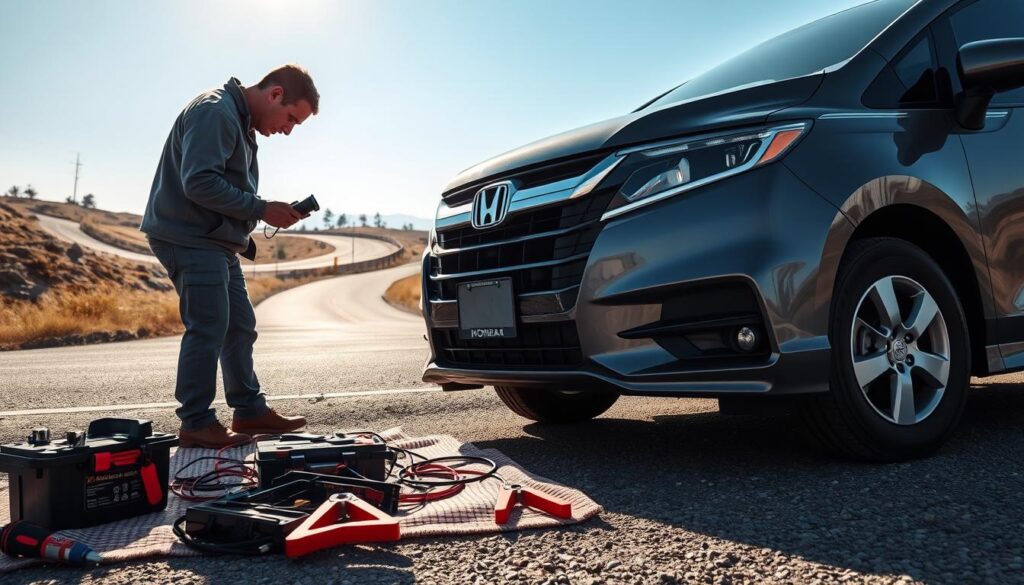
When you call, describe the situation clearly: location, symptoms, any steps you tried with the shift lock, and whether the wheel or brake is secured. Your safety is the top priority in any emergency. If you feel unsure at any time, rely on trained roadside professionals for prompt, safe help.
Conclusion
This closing note focuses on practical steps and community wisdom that help you act confidently when facing a stalled vehicle.
Mastering the shift lock release is a useful skill. It gives you control and reduces delay when an unexpected issue appears.
Tap the collective value of forum posts and replies from other members. Their experience and info gathered over years can point you toward a quick answer or the right service.
Always prioritize safety. If you feel unsure, get professional service and share your own experience in home forums honda to help the community learn.
Thanks for reading and for contributing to the forum network that supports drivers everywhere.
FAQ
What should I check first when the battery is dead and the shifter won’t move?
Start by ensuring the vehicle is on a flat surface and the parking brake is engaged. Pop the hood to confirm the battery condition and check fuses related to the shift interlock. These quick checks often identify whether the issue is a drained battery, a blown fuse, or a faulty brake light switch.
Where is the shift lock release located on this minivan?
The access cover for the manual release sits near the base of the shifter assembly in the center console. On many models the slot is hidden under a small plastic cover that you can pry off gently with a flat-head screwdriver or the key blade.
What tool do I use to operate the shift lock release?
Use your ignition key, a flat-head screwdriver, or the designated shift lock release tool if available. Insert the tool into the slot and press down on the mechanical release while moving the shifter into neutral.
Can I safely move the vehicle once it’s in neutral with no power?
Yes, but take precautions. Keep the parking brake engaged until ready, block the wheels, and have a second person assist if possible. Remember there will be no power steering, so steering effort will be higher while towing or pushing.
Will using the manual release damage the shifter or interior trim?
If you follow the procedure and use gentle force, you should avoid damage. Pry the cover carefully to prevent breaking plastic clips and avoid excessive leverage on the shifter components.
What if the shift lock release doesn’t work or the slot is missing?
If the manual override won’t engage, check the brake light switch and related fuses. If those are fine, call roadside assistance or a tow service. Electrical faults or broken linkage may require professional repair.
Should I leave the key in the ignition while moving the vehicle?
Yes. Leaving the key in the ignition prevents the steering wheel from locking. Keep the ignition in the accessory or on position as needed while the vehicle is towed or pushed.
How can I prepare to avoid being stranded again by a dead battery?
Maintain the battery and charging system, carry jumper cables or a compact jump starter, and learn the location of the shift lock release for your model. Regular checks of fuses and the brake light switch also reduce the chance of being unable to shift out of park.
When is it best to call professional roadside assistance?
Call for help if you’re in a hazardous location, if electrical symptoms suggest a larger system failure, or if manual release attempts fail. Tow professionals have tools to move the vehicle safely and to diagnose deeper battery or transmission issues.