
ISS Automotive brings over 30 years working directly with GM and dealerships. This experience shows that keeping correct transmission temperature matters for long service life.
Heat builds in every car during normal driving and during heavy towing. Monitoring a transmission temperature gauge gives real-time data so owners can act fast when numbers climb.
A working temperature gauge prevents premature wear on internal parts that react poorly to extreme heat swings. Readouts from that gauge help protect fluid life and overall transmission performance.
Key Takeaways
- ISS Automotive experience highlights importance of correct transmission temperature for longevity.
- Heat generation in car transmission needs active management during heavy loads.
- Use a transmission temperature gauge to monitor real-time readings.
- Keeping temperature in recommended range prevents early component wear.
- Regular checks save time and costly repairs down the road.
Understanding Transmission Systems
Gearing systems differ across models, and this affects how heat builds and moves. Knowing basic operation helps drivers spot rising temperature before damage starts.
Manual
Manual gearboxes rely on a clutch pedal and a gear shifter. The driver selects gears directly, giving precise control during spirited driving or hauling.
That hands-on operation changes how fluid circulates and how heat is generated. Regular checks of fluid level and clutch condition help keep transmission heat in check.
Automatic
An automatic transmission uses hydraulic circuits and electronic controls to shift gears without driver input. It reacts to vehicle speed and engine load and manages shifts for smooth operation.
Both manual and automatic systems use fluid to cool and lubricate internal parts. Understanding which system your car has is the first step to recognizing abnormal temperature patterns in your transmission.
- Manual: direct gear engagement, more driver control.
- Automatic: hydraulic/electronic shifting for convenience.
- Both: rely on fluid to manage heat in various vehicles.
What Should the Transmission Temp Be on a Silverado
Normal operating range for a Silverado gearbox sits between 170 and 200 degrees Fahrenheit at idle. Staying inside this band keeps fluid life healthy and shifts consistent.
Hitting 200 degrees is not considered hot for most trucks, but watch closely as numbers climb toward 220 degrees. Once fluid approaches 220 degrees, breakdown of lubricants accelerates and internal wear increases.
Experts note that 230 degrees often marks a danger zone. At that level, seals, gaskets, and internal parts risk permanent damage.
- Idle range: 170–200°F for normal operation.
- 200 degrees: acceptable, not hot.
- 220 degrees: upper limit; be cautious.
- 230 degrees: danger zone; stop and cool the truck.
If your vehicle exceeds these values, pull over safely and let the system cool to avoid costly repairs.
Why Monitoring Fluid Temperature Matters
Tracking gearbox temperature gives early warning before fluid breakdown starts.
Typical operating heat for most systems sits between 175 and 200 degrees. This range keeps viscosity balanced so gears and clutch packs stay protected.
When heat climbs past that normal transmission band, lubricants thin and chemical breakdown speeds up. That leads to varnish, hardening seals, and poor shifts.
Keeping tabs on transmission fluid temperature helps spot cooling failures early. A quick read can save a car owner from a full rebuild.
- Maintains correct viscosity to protect internal gears and clutch packs.
- Allows smooth shifting at an optimal temperature without extra wear.
- Warns of breakdown when fluid starts to degrade beyond the safe range.
- Helps detect cooling faults before a complete transmission failure.
Bottom line: Monitor transmission temp and fluid health. Small checks prevent major repairs and extend service life.
Factors Influencing Heat Buildup
Heat in a gearbox rises from how you use it and from outside conditions. Small issues add up fast, so knowing causes helps prevent damage.
Driving Conditions
Aggressive actions like towing heavy loads or riding in stop-and-go traffic force the transmission to work harder. That increases internal friction and raises temperature quickly.
Transmission fluid and oil face high shear forces while you tow or haul. Over time this reduces lubricating power and shortens service life.
External Environment
Hot weather and poor airflow around the radiator make it harder for the cooling system to shed heat. If the area in front of the core is blocked, fluid cannot cool down properly.
If you often drive in scorching summers or across long grades, expect higher baseline temperature and plan for extra cooling or more frequent checks.
- Hard driving or heavy loads generate a lot of heat in fluid and parts.
- High ambient heat makes it easy to end up with a hot transmission.
- Blocked airflow or tight packing in an engine bay raises risk quickly.
How to Check Transmission Temperature
Regularly monitoring heat in the oil pan gives a clear picture of system health. Use simple tools and built-in displays to catch rising heat before damage occurs.
One common way is to point a handheld infrared thermometer at the transmission oil pan. This gives a quick surface reading of transmission fluid temperature without opening anything.
Many modern cars include dashboard gauges that show live transmission temperature while driving. Those gauges let you follow trends during towing or hard use.
- Use an infrared gun to check the oil pan area after steady driving.
- Read dashboard gauges for live temp feedback during trips.
- Plug a diagnostic scan tool into the OBD2 port to access live data parameters for precise readings.
Make sure to also check fluid level and inspect the cooling system. Whether you use digital gauges or manual tools, routine checks of transmission temp protect car transmission life and help you plan maintenance.
Identifying Signs of Overheating
Detecting an overheated unit starts with simple senses: scent, sound, and how the car shifts.
Common symptoms often appear before electronic warnings. The most obvious is a sharp smell of burnt oil. That scent signals that fluid has passed safe limits and is breaking down.
Slipping gears and a sluggish shift response are frequent complaints. When transmission fluid thins from heat, lubrication drops and gear engagement falters. Drivers may notice delays or a soft, slipping feel during acceleration.
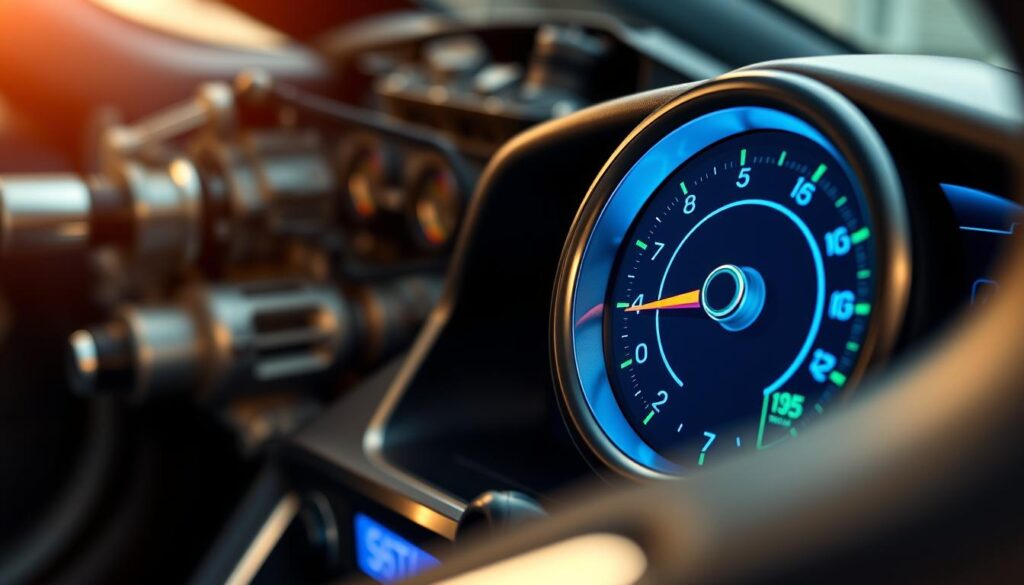
Watch dashboard readouts and any transmission temperature gauge closely. A sudden spike in temperature often precedes visible failure.
Act fast if you recognize these signs. Pull over when safe, let the system cool, and check transmission fluid level and condition. Prompt action can prevent serious damage transmission and long repairs.
- If you smell burnt oil, stop and inspect promptly.
- Slipping gears often mean fluid is too thin from excess heat.
- Sluggish shifting indicates internal wear from high temperature.
- Use a gauge to check transmission temp before long hauls.
- Quick response saves time and avoids permanent car transmission harm.
Consequences of Excessive Heat
High operating heat turns protective fluid into an agent of damage. When fluid quality collapses, oil loses lubrication and metal parts wear faster.
Excessive heat in an automatic transmission can melt internal seals and wiring. That damage often leads to total transmission failure and expensive repairs.
Keep an eye on temperature. If readings reach about 220 degrees, you risk permanent damage to seals, clutches, and valve bodies.
A failing cooling system is a common root issue behind transmission overheating. Regularly check fluid temperature and inspect the cooling system to catch faults early.
- Fluid loss: degraded transmission fluid raises friction and accelerates wear.
- Component failure: melted seals and wiring cause electrical and mechanical faults.
- Drivetrain impact: continuing to drive with a hot transmission shortens the life of the entire assembly.
For detailed guidance on normal ranges and when to act, review ideal temperature guidance here: transmission temperature guide. Prompt checks and maintenance prevent major damage.
Installing a Dedicated Temperature Gauge
A standalone temperature gauge makes monitoring simple and more accurate than guesswork.
ISS Automotive offers replacement instrument clusters that include a transmission temperature gauge. These clusters drop in quickly and can add a live readout in under 20 minutes for many models.
Installation usually uses a 2-wire sender mounted to the pan or cooler lines. Make sure the sender wires are secure and grounded so the gauge reads true fluid values.
Adding a meter is an effective way to check transmission heat while towing or during hard driving. A visible gauge warns you early if oil or fluid rises past safe limits.
- Fast install: replacement clusters from ISS Automotive simplify fitment.
- Accurate sensor: 2-wire sender on the pan gives true fluid readings.
- Pair it: combine with a transmission cooler to help the cooling system manage heat.
- Routine checks: use the gauge to check transmission temp before long trips.
Overall, a dedicated gauge is a low-cost way to protect your car transmission and extend service life by spotting issues early.
Benefits of Adding a Transmission Cooler
An auxiliary cooler adds capacity to pull heat away from fluid during heavy loads.
Extra cooling keeps transmission fluid within a safer temperature band. That helps maintain correct viscosity and supports smoother gear changes in daily driving and while towing.
Before install, confirm there is space in engine bay for a condenser-style unit. Proper placement near airflow paths improves performance and avoids hot spots.
- Protects car transmission: extra heat dissipation for transmission fluid reduces wear on clutches and seals.
- Supports cooling system: auxiliary cooler stabilizes temperature so shifts stay crisp under load.
- Ideal for hot climates or towing: helps prevent overheating during extended runs or heavy payloads.
- Verify performance: after fitment, check transmission with a temperature gauge and assess behavior under various loads.
- Longer fluid life: properly routed cooler means fluid lasts longer and protects internal parts from heat damage.
Best Practices for Cooling Your Transmission
A few preventive checks stop most overheating episodes before they start.
Regular Fluid Checks
Check fluid level and condition every few months. Clean fluid keeps viscosity stable and protects gears.
Inspect color and smell. Dark or burnt-smelling oil signals breakdown and higher fluid temperature during use.
Cooling System Maintenance
Keep radiators, coolers, and lines free of debris. A clogged cooler leads to rapid transmission overheating on long hauls.
Flush or service cooling circuits per factory time intervals. That helps keep transmission fluid temperature near the normal transmission range and protects seals.
Using Lower Gears
Drop to a lower gear when climbing or descending steep grades. This reduces load and limits heat buildup in the gearbox.
Drivers who tow a lot should watch a transmission temperature gauge and stop to cool the vehicle if readings approach 220 degrees.
- To maintain an optimal temperature, perform regular fluid checks and keep levels correct.
- Service the cooling system to avoid sudden overheating during long trips.
- Use lower gears on hills to reduce strain and extend component life.
- Keep fluid around 200 degrees when towing to avoid damage transmission.
Conclusion
Simple checks and timely cooling steps stop small problems from turning into major rebuilds.
Make a strong, regular habit of monitoring fluid temperature and oil condition. Keep fluid near 200 degrees during normal work to limit wear and avoid overheating.
Use a trusted transmission temperature gauge and routine inspections to check fluid and spot issues early. Good cooling care and sensible driving habits protect your car and extend component life.
If readings climb toward higher degrees, pull over, let things cool, and check transmission fluid. Small actions now prevent costly repairs later and keep your vehicle reliable on the road.
FAQ
What is the normal operating transmission fluid temperature for a Silverado?
For most Chevrolet Silverados with an automatic gearbox, normal operating fluid temperature sits between about 160°F and 200°F. Around 175°F–195°F is optimal for longevity and efficient shifting. Temperatures consistently above 220°F risk accelerating fluid breakdown and harming internal components.
How can I monitor fluid temperature on my Silverado?
The most reliable methods are installing an aftermarket transmission temperature gauge or using an OBD-II scan tool that reads the transmission fluid temp sensor. Some towing packages include a dedicated gauge from the factory; otherwise an inline probe at the transmission cooler or a dashboard gauge is common.
What symptoms indicate an overheating transmission?
Signs include hard or delayed shifts, slipping, burning smell, fluid that looks dark or smells burnt, and illuminated warning lights. You may also notice reduced towing performance or transmission limp mode if temperatures climb too high.
How often should I check transmission fluid on a Silverado?
Check fluid level and condition at least every 15,000 miles or before heavy towing. For frequent towing, off-roading, or hot-climate driving, inspect fluid every 5,000–7,500 miles. Always follow GM’s service intervals in your owner’s manual.
Will adding a transmission cooler help reduce temperatures?
Yes. An auxiliary cooler increases heat rejection and can lower operating temperature several degrees, especially under load or towing. A properly sized cooler is an effective, low-cost upgrade to protect fluid and components.
Can driving habits affect transmission temperature?
Absolutely. Heavy towing, long uphill runs, frequent stop-and-go traffic, and high ambient temperatures raise fluid temperature. Using engine braking, downshifting, and reducing sustained high-load driving helps keep temps down.
Is 200°F too hot for transmission fluid?
200°F is near the upper end of normal and generally acceptable for short periods. However, long exposure at or above 200°F accelerates fluid oxidation. Aim to keep sustained temps below 200°F–205°F for best durability.
What can cause rapid temperature spikes in the transmission?
Low fluid level, degraded fluid, clogged cooler lines, stuck clutch packs, heavy towing without a cooler, or a failing torque converter can all cause quick temperature rises. Addressing maintenance issues usually stops spikes.
How does ambient temperature affect fluid temperature?
Higher outside temperatures reduce the cooling capacity of the transmission cooler and increase baseline fluid temp. In hot climates, the system runs hotter under the same load compared with cooler weather, so extra cooling or more frequent fluid changes may be needed.
When should I change transmission fluid to prevent overheating damage?
Follow GM recommendations, but consider earlier changes if you tow often or drive in severe conditions. Many technicians suggest replacing fluid and filter every 30,000–60,000 miles for heavy use. Fresh fluid helps maintain proper cooling and lubrication.
Can a faulty cooling system affect transmission temperature?
Yes. The radiator and external coolers often share heat exchange duties. A clogged radiator, bent cooler fins, or blocked airflow can reduce heat rejection and raise transmission fluid temperature, especially while towing.
Is it okay to drive immediately after detecting a hot transmission warning?
No. If a temperature warning appears, pull over, stop towing, and let the truck idle or cool down. Continuing to drive risks permanent transmission damage. After cooling, check fluid level and condition and inspect for leaks or mechanical issues.
Do manual and automatic gearboxes run at different temperatures?
Yes. Manual transmissions generally run cooler because they use gear oil and have simpler internal components. Automatic transmissions use ATF and torque converters, which typically operate at higher temperatures and are more sensitive to heat.
Can using the correct ATF reduce overheating risk?
Using the manufacturer-specified automatic transmission fluid helps maintain proper friction characteristics and thermal stability. Incorrect or low-quality fluid can accelerate wear and increase the chance of overheating.
Where can I add a temperature gauge on my Silverado?
Common installation points include the transmission dipstick tube adapter, a probe at the cooler line, or a sensor that communicates with the OBD-II system. Choose a method that suits accuracy needs and installation complexity.