
Stuck storage lids are a common nuisance. This short guide offers clear steps that save time and money. Many owners read our site for practical repair information and real experience with simple fixes.
You do not always need a mechanic. Often the issue is a misaligned latch or a small obstruction. With basic tools, most drivers restore smooth operation in minutes and keep their documents safe.
If you have questions about a specific model, our tips point you toward the right next steps. We also explain how to protect your privacy and manage cookie settings while using this guide.
Key Takeaways
- Simple causes are common: latches or debris usually block the mechanism.
- Following a short checklist can save time and service fees.
- Keep manuals and registration handy in a working glove box.
- Consult model-specific notes when needed.
- Our site shares real experience and clear information for safe repairs.
Identifying the Cause of a Stuck Glove Box
A careful inspection of the compartment often reveals whether the latch is broken or simply jammed.
Start by opening the glove box slowly. Look for crumbs, loose paper, or small objects that block the track. Use a flashlight if needed. This quick check often saves time and keeps the repair simple.
Next, check the latch and surrounding trim. A misaligned latch or a bent catch is a frequent problem that prevents the door from closing properly. Note any visible wear or cracked plastic.
- Identify your car model before ordering parts; some vehicles need a full lock replacement.
- If you have basic tool experience, cleaning or minor adjustments are often doable at home.
- Keep a list of questions about the problem handy; our site offers information and real experience for tricky cases.
Document findings. Take a photo of the latch area and note unusual sounds or resistance. That information speeds any replacement and guides whether a DIY fix or professional repair is best.
How to Fix a Glove Box on My Car That Won’t Close: Quick Fixes!
A brief manual test often reveals if the problem is dirt, a loose screw, or a seized cylinder.
Lubricating the Lock Cylinder
If the lock feels stiff, apply a light spray lubricant into the key slot and cycle the lock gently. This often restores smooth action and avoids a full replacement.
Use graphite or silicone-based spray rather than heavy oil. Wipe excess and test the compartment door several times.
Clearing Debris from the Latch
Inspect the latch with a flashlight. Small trash or loose paper can jam the mechanism.
- Use a screwdriver to pry out trapped bits carefully and check that screws holding the latch are tight.
- Watch a viral clip—TikToker @ezel_ezelakos earned over 7.4 million views showing a creative approach that helped many people fix similar issues.
- Work slowly and match tools to your vehicle model to avoid cracking fragile plastic.
For related lock and key topics see this guide: Toyota Tacoma key won’t unlock door. If you have further questions, note your model and symptoms before seeking parts or service.
Replacing a Broken Latch Mechanism
Begin the latch swap by removing the glove assembly with small quarter-turn knobs. This step gives clear access to the latch and mounting points so you can work safely on the compartment.
Removing the Glove Box Assembly
Release the assembly carefully. Perform a 1/4 turn twist on each small plastic knob and lower the glove unit until it rests on the stops.
- Once the assembly is out, locate the latch at the top inside edge.
- Use a screwdriver to remove the two screws that hold the latch in place.
- Swap in the new latch, secure those screws, and test the door movement.
This repair is straightforward and usually takes little time. Most replacements are held by standard screws that are easy to manage.
If you have questions about compatibility, confirm the part matches your car model before purchase. Proper replacement keeps the glove box and glove compartment closing reliably and extends device life.
Creative Solutions for Stubborn Compartments
Some drivers turn to simple hardware hacks when replacement parts are scarce or costly.
Temporary fixes can work well. Many people share quick clips showing a small barrel bolt used to keep the glove box door closed. These clips often rack up millions of views, and they offer low-cost ideas when a new latch costs too much.
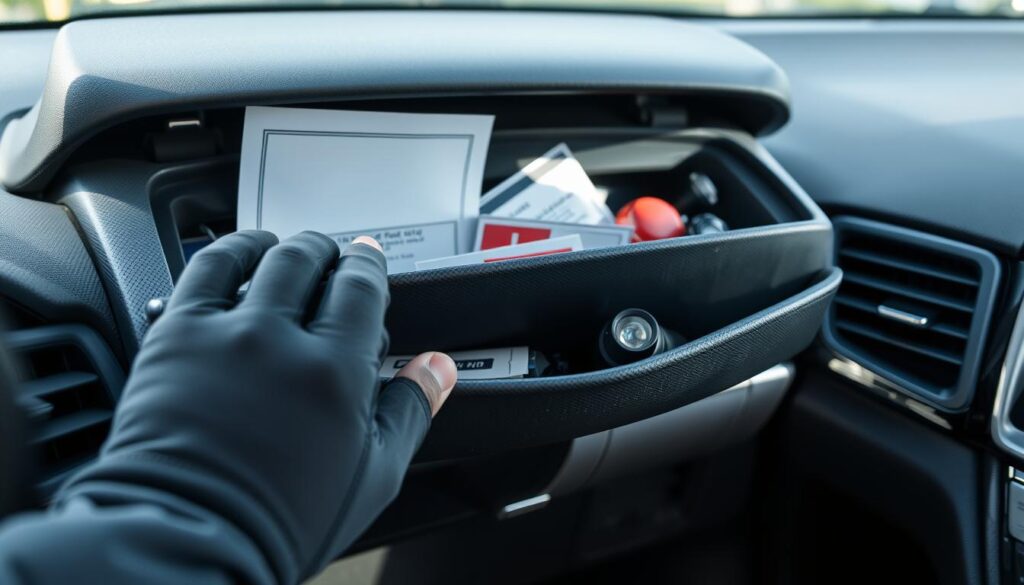
One owner reported that a new latch for a 2003 VW New Beetle ran over $250. They installed a secondary catch with a screwdriver and low-profile bolt. That solution held the door while a correct part was sourced.
- Try simple adjustments first; minor realignments often clear the issue.
- If parts are unavailable, a temporary secondary latch can work but avoid blocking airbags or controls.
- Use common tools, like a screwdriver, and test the compartment operation after any change.
Safety note: Creative repairs may help short term. Ensure any alteration does not interfere with dashboard function or passenger safety before driving.
Conclusion
This wrap-up highlights simple actions that often restore smooth compartment operation in minutes.
Fixing your glove box is a manageable task that saves time and money. Tackling small problems yourself gives a useful DIY experience and quick satisfaction.
Whether you pick a standard latch replacement or a creative workaround, check that all screws are tight so the door stays secure. Proper adjustment helps the glove compartment work reliably and reduces the chance of repeat repair.
For privacy and safe browsing, review cookie settings when researching parts or instructions on this site. If you have further questions, note your model and symptoms and consult our guide for clear information on repair and replacement steps.
FAQ
Why won’t my glove compartment door latch properly?
The most common causes are a misaligned latch, a worn or broken catch, debris in the striker area, or a swollen door edge from moisture. Inspect the latch and the striker plate for visible damage or dirt, then try gently closing while holding the door aligned with the dash. If the mechanism looks damaged, replacement parts may be needed.
Can I lubricate the lock or latch myself safely?
Yes. Use a dry silicone spray or a graphite-based lubricant — both resist attracting dirt. Spray sparingly into the lock cylinder and on the latch engagement points, then cycle the door several times. Avoid heavy oil or grease; they trap dust and can worsen jamming over time.
What tools do I need to remove the glove box assembly?
Typical tools include a Phillips and flat-head screwdriver, a 7mm–10mm socket set, and needle-nose pliers. Some models require trim clips removal; a plastic trim tool prevents panel damage. Always disconnect any wiring (like light switches) before fully removing the box.
How do I clear debris from the latch without disassembling the whole compartment?
Open the compartment and use a flashlight to spot debris. Compressed air or a small brush can dislodge dirt. For stuck items, use long-nose pliers or a coat hanger shaped into a hook. Test the latch after clearing to confirm smooth operation.
My glove box pops open while driving. What should I do?
A loose or worn latch, missing striker screws, or misalignment usually cause that. Tighten any loose screws on the striker plate, realign the door so it meets the latch evenly, and replace a weakened latch spring or the entire catch if necessary for a secure hold.
Are replacement latches and catches vehicle-specific?
Yes. Many latches are designed for specific makes and models, so buy parts that match your vehicle year and model. OEM parts from brands like Dorman or genuine manufacturer parts ensure fit and function. Verify compatibility using your VIN when possible.
How long does a glove compartment latch replacement take?
For someone with basic tools and experience, replacing the latch usually takes 20–45 minutes. If removal of surrounding trim or dashboard panels is required, plan for up to 1–2 hours. Professional shops can do it faster but will charge labor.
Can I use temporary fixes if I can’t access replacement parts immediately?
Yes. Temporary fixes include adding a piece of thin felt or tape to adjust alignment, or using a small zip tie as a latch hold while you source a proper replacement. These are short-term measures and should be replaced with correct parts soon for safety and reliability.
Will a swollen glove compartment door from humidity revert on its own?
It may shrink back slightly as moisture leaves, but results vary. Remove contents and leave the compartment open in a dry, ventilated area. If swelling has warped the door or seals, sanding or panel replacement might be necessary.
Where can I find guides or parts for my specific vehicle model?
Check official service manuals, manufacturer websites, online parts stores, and vehicle-specific forums. Retailers like AutoZone and Advance Auto Parts list compatible parts when you enter make, model, and year. Video guides on YouTube often show step-by-step procedures for many models.