
This long-form, owner-informed review examines common complaints and typical repairs for the GM turbo four found in many Chevrolet Cruze models sold in the United States from 2011–2015.
The first-gen Cruze felt solid and quiet, and it earned strong crash ratings. Yet many reliability surveys rated those model years below average, while many owners still reported good daily use.
Owners’ perspectives here means the first symptoms drivers noticed, what shops often found on diagnosis, and which repairs usually stop repeat check-engine cycles.
The scope covers PCV and intake check valve faults, cooling leaks and water pump concerns, oil seepage, ignition and misfire items, plus transmission and electrical complaints that surface alongside engine issues.
Goal: help used-car shoppers and current owners reach faster diagnoses, set realistic repair-cost expectations, and adopt maintenance habits that lower the chance of repeat failures.
Key Takeaways
- 2011–2015 Cruze models felt solid and scored well for safety but had mixed reliability ratings.
- Owners first report check-engine lights, rough idle, or coolant/oil leaks.
- Common fixes include PCV/intake valve work, cooling repairs, and ignition service.
- Expect varied repair costs; timely maintenance reduces repeat failures.
- This guide is informational and based on documented trends and service bulletins in the U.S. market.
What the 1.4T is like in real-world ownership (Chevrolet Cruze context)
Many U.S. buyers found the Cruze offered a heavier, more composed ride than rival compact cars. That planted feel came from a denser chassis and sound insulation that made daily commuting feel calm and solid.
Where you’ll find it in the U.S.
The 1.4T most often appears in LT, 2LT, ECO, and LTZ trims. The common dealer-lot setup was the LT with a 6-speed automatic, while a 6-speed manual shows up on LS, LT, and ECO models.
How it drives vs other small sedans
Drivers describe the Cruze as more composed than many economy rivals. That extra heft improves highway comfort and gives a feeling of higher build quality.
Expect responsive low-end boost for merging and cruising, not sports-car acceleration. In everyday use the car is usable and economical, but small systems like the PCV and cooling plumbing can create repeat annoyances if ignored.
- Safety: The Cruze earned five-star overall NHTSA ratings for 2011–2015, a selling point for buyers choosing a compact commuter.
- Tradeoff: Comfort and perceived quality versus occasional maintenance items that can become costly if left unchecked.
Reliability and owner satisfaction trends across Cruze model years
Aggregated reliability ratings don’t always match what individual drivers experience. Consumer Reports rated the 2011–2015 Cruze worse than average as of Jan 2023, yet many drivers reported workable daily use when issues were addressed quickly.
Why that happens: aggregated reports count frequency of service events across thousands of vehicles. Many common problems are repeatable but diagnosable—so prompt repairs often restore long-term satisfaction.
Why some owners stay satisfied
Known faults that are easy to find and fix tend to limit long-term frustration. Warranty campaigns and recalls reduced certain risks over time. Regular maintenance, timely oil and coolant checks, and fixing leaks early make a big difference.
Which years draw fewer complaints
The 2015 model year shows the fewest complaints among the 2011–2015 span. Later model years benefited from corrective service actions and small design tweaks, making such vehicles a stronger pick on a used-car shortlist.
- Buyer logic: prioritize vehicles with documented service history and proof common campaign items were completed.
- Check for signs of overheating and consistent oil/coolant attention over choosing the cheapest listing.
Ecotec 1.4L Turbo Engine Owners’ Feedback, Problems and Fixes
The most common early warning is a shift in idle quality coupled with unexplained oil consumption. On the Cruze, a failed valve cover diaphragm or a missing intake check valve often shows up as rough idle, blue smoke, and faster-than-normal oil loss.
How the failure feels to drivers
Owners describe sudden smoke at startup, an idle that hunts, and repeat check engine light events that suggest bigger trouble. Those symptoms usually point to a vacuum or airflow leak caused by the valve cover diaphragm or a failed intake check valve.
Scan codes that point technicians in the right direction
Common stored codes include P0171 (system too lean), P0106 (MAP performance), and P1101 (MAF/airflow). Seeing these together narrowed the diagnosis for many shops to the PCV/intake plumbing rather than a major mechanical failure.
What a correct repair usually includes
A thorough fix most often replaces the valve cover, intake manifold or the missing check valve, plus related hoses and the PCV pipe. Replacing only one part sometimes led to repeat service, so shops commonly recommend the full kit to stop recurrence.
Cost expectations and buyer tips
Dealer labor and parts for the manifold, valve cover, and hoses can approach $900 in the U.S. DIY-focused owners typically pay far less for parts but must follow the PIP5197J guidance to avoid repeat failures. If a listing notes a replaced valve cover or intake, verify the date, mileage, and that the check-valve design issue was addressed. For related misfire diagnostics see this guide: diagnostic misfire walkthrough.
Cooling system trouble spots: coolant leaks, overheating risk, and the water pump
Coolant loss often starts as a faint smell or a small puddle, then becomes an urgent overheating problem.
On many vehicles the failure path is predictable: a slow leak drops fluid, the temperature gauge creeps up, and secondary parts suffer from heat stress.
What a failing water pump typically shows first
Owners usually notice overheating or a sudden loss of A/C function. Those symptoms point to a leaking water pump on this platform because the pump circulates coolant and helps the heater/A/C system operate.
Warranty and cost context for U.S. owners
Important: GM service bulletin 14371A extended water pump coverage for 2011–2014 to 10 years or 150,000 miles. Bring proof of model year and mileage when you visit a dealer to check warranty eligibility.
If out of warranty, expect a water pump replacement to run about $480–$690 at typical shops.
Other frequent leak sources
- Expansion tank cracks
- Thermostat and outlet housings
- Radiator (usually the pricier repair)
- Water pump seals and related hoses
Why small leaks become big damage: repeated low coolant episodes let combustion heat rise and warp components. Even brief overheating accelerates wear and can shorten engine life.
Quick checklist — make sure the level stays stable, there is no coolant odor under the hood, and the temperature gauge remains steady on a test drive. If any item fails, address coolant leaks promptly to avoid costly repairs.
Oil leaks and oil-related complaints that show up over time
Many drivers first spot small oil stains long before any warning lights appear. Catching those signs early helps the vehicle avoid larger, costlier service events.
Common leak areas to check
- Valve cover gaskets — common as rubber hardens with age.
- Front and rear crank seals and transmission seals — wear causes seepage at the engine/transmission join.
- Oil cooler lines and fittings — hoses can crack or fittings loosen over time.
Early warning signs
Look for a burnt-oil odor in the cabin, thin smoke after parking, or dark spots on the driveway. Owners often note frequent top-offs between changes.
Why this matters on a boosted setup
Low oil speeds wear in turbocharged systems and turns a minor leak into a major engine concern. Keep levels steady and address seepage early.
Used-car and maintenance guidance
During an inspection, peer around the valve cover, run the car and then check under it, and confirm any “recent gasket” notes in service records. Regular checks between oil services reduce long-term costs and help avoid recurring issues.
Check Engine Light, misfires, and “it runs rough” issues beyond the PCV system
Misfires that feel like boost loss frequently start with the ignition system, not the turbocharger. A flashing check engine light or steady engine light plus a rough idle often points to coils or spark plugs before major intake or boost repairs are considered.
Ignition coil failure usually shows as a sudden stutter, rough running under load, or a flashing warning when the computer detects a misfire. Replacing a single coil is inexpensive and often restores smooth power.
If spark plugs are old, replace all four when swapping a failed coil. That prevents uneven wear and repeat misfires. The 2015 model years manual recommends spark plug replacement at 60k miles for severe use or 97k miles for normal service.
Worn plugs cause hesitation, reduced power, and poor acceleration that mimic bigger turbo or engine faults. Before chasing intake leaks or turbo repairs, confirm ignition basics with a scan and plug inspection.
- Quick checklist: scan for misfire codes, inspect coils, check plug condition, then pursue intake or boost items if misfires persist.
- Maintenance tip: treat coil and plug service as a first-line, low-cost step to stop recurring driveability issues.
Transmission and electrical problems owners often mention alongside engine issues
Service visits for engine concerns frequently reveal parallel transmission or electrical faults that change repair scope and cost.
Why cooler line leaks matter
Leaking transmission cooler lines may look minor, but low fluid speeds wear and can lead to major failure. Low automatic transmission fluid raises heat and friction, shortening component life.
No-reverse on the 6T40: rebuild or replace?
The common “no reverse” symptom leaves drivers stuck or unable to back up. Options include a rebuild at shop rates or swap with a used unit. Market listings showed used 6T40 transmissions near $400–$780 for the unit alone.
Electrical gremlins and the negative battery cable
Intermittent displays, ABS or steering warnings often traced to a loose negative battery cable. GM service bulletin 14311B extended coverage; dealers replaced the cable under the bulletin. Document mileage and service dates when you seek warranty help.
- Takeaway: transmission and electrical items can sway the total cost-to-keep for used cars.
- Inspect cooler lines, verify any cable replacement on records, and factor parts and labor into purchase decisions.
Ownership costs, fuel economy, and maintenance habits that improve longevity
Owning a Cruze often comes down to balancing expected fuel economy with sensible maintenance habits. The popular LT automatic rates about 26 mpg city and 36 mpg highway, which equals roughly 468 miles per tank under mixed driving.
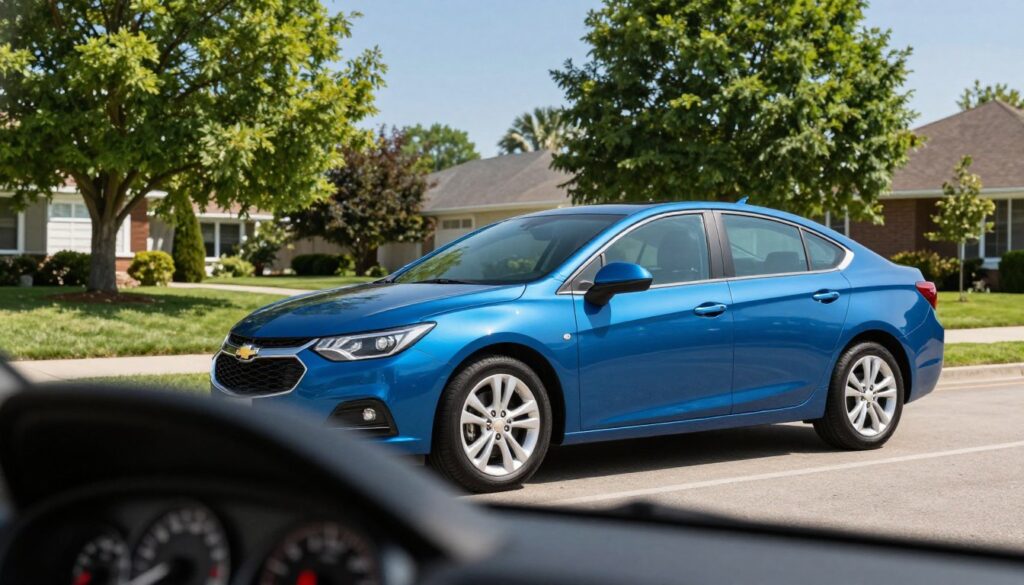
Fuel and economy expectations
Expect lower real-world economy in heavy city traffic and better numbers on long highway trips. Small drops in mpg add up for drivers who need car reliability for long commutes or high annual miles.
Oil-change discipline
Use SAE 5W-30 synthetic blend as recommended and stick to regular intervals. Clean oil reduces heat and preserves turbo life; irregular service shortens component lifespan.
Coolant vigilance
Check the reservoir weekly and watch for a sweet smell or low level. Early attention to coolant leaks and water pump seepage prevents overheating and costly repairs.
Test-drive checklist
- Watch the temperature gauge for steady behavior.
- Listen for whining or lack of boost; check for white smoke.
- Reset warning lights and verify they stay off during the drive.
When a warranty makes sense
Consider an extended powertrain warranty if service records are thin or the vehicle has high miles. Avoid contracts with low claim limits (for example, $1,000) that won’t cover real repairs.
Decision framework: buy only if temps are stable, no active coolant leaks, known weak points are documented, and the maintenance history matches a turbo vehicle’s needs.
Conclusion
<!– meta: –>
Summary: Many recurring service visits stem from a few predictable wear points rather than random failure. Careful checks for the PCV/valve cover, intake check valve, coolant leaks and the water pump stop repeat trips and cut long-term cost.
Key takeaways: the turbo powerplant can be practical with steady maintenance. Watch oil and coolant levels, test for leaks, and confirm recent parts replacements in service records. Verify any warranty coverage before purchase.
Later model years—especially 2015—and well-documented 2013 cruze examples tend to show fewer complaints. If a listing shows proof of key repairs, stable temps, no active leaks, and a sensible warranty plan, the car can still be a reasonable used-market choice.
FAQ
What are the most common symptoms owners report with the 1.4L turbo in the Chevrolet Cruze?
Owners most often report rough idle, increased oil consumption, occasional blue smoke on startup, and intermittent loss of power. Many note a check engine light with codes tied to fuel trim or intake pressure. These symptoms often trace back to PCV, intake, or ignition issues rather than immediate turbo failure.
Which model years of the Cruze show fewer complaints and are safer bets when buying used?
Cruzes from mid-cycle years after early recalls—typically later-2013 and 2014–2016 examples—tend to show fewer owner complaints. Updated parts, improved dealer service bulletins, and common warranty repairs completed during those model years reduce the frequency of repeat issues.
What PCV and valve cover problems should owners watch for?
The valve cover diaphragm and PCV assembly can fail, causing vacuum leaks, oil blow-by, and rough running. Owners may see oil in the intake or hear whistle-like boost leaks. Replacing the valve cover gasket and diaphragm assembly is a common fix.
How do intake manifold check valve issues affect drivability?
A failing intake check valve lets boost or vacuum flow where it shouldn’t, producing hesitation, poor throttle response, and stored trouble codes (lean conditions or sensor mismatch). Replacing the faulty valve or the manifold assembly typically resolves cascading drivability faults.
Which diagnostic trouble codes are common with these engines?
Frequent codes include P0171 (lean bank), P0106 (MAP/sensor range/performance), and P1101 (mass airflow/boost system adapt). These point to air/fuel or pressure issues rather than a single catastrophic failure.
What should I expect to pay for typical repairs at a dealer versus doing it myself?
Dealer repairs for valve cover or intake work can run several hundred to over a thousand dollars, depending on labor and parts. DIY-friendly fixes (gaskets, PCV parts, hoses) often cost 0–0 in parts. Complex intake or turbo plumbing work raises costs and may need specialty tools.
How common are coolant leaks and water pump failures on these vehicles?
Coolant leaks are a recurring complaint. Water pump seals, expansion tanks, thermostat housings, and outlet housings can leak with age. Water pump leakage can cause overheating and A/C performance changes if left unchecked.
Will warranty cover common cooling system failures for U.S. owners?
Coverage depends on original warranty status and any extended plans. Factory powertrain or bumper-to-bumper warranties often expired for older Cruzes, but some vehicles had extended coverage for specific parts after recalls. Always check vehicle history and dealer records.
Where do oil leaks usually originate and what early signs should owners look for?
Typical leak sources include the valve cover gasket, front and rear seals, and oil cooler lines. Early signs are a burnt oil smell, spots on the driveway, or frequent top-offs. Addressing leaks early prevents oil starvation and catalytic converter damage.
How do ignition coil failures and old spark plugs manifest on these cars?
Ignition coil faults and worn plugs cause misfires, rough running, and reduced fuel economy. Symptoms can mimic turbo or fuel issues. Replacing coils and plugs together often restores smooth running and eliminates misfire codes.
What transmission and related electrical problems appear alongside engine issues?
Owners report automatic transmission cooler line leaks, low fluid accelerating wear, and occasional no-reverse complaints in the 6T40 automatic. Electrical gremlins sometimes trace to the negative battery cable or corrosion, causing false warnings and limp-home modes.
What fuel economy should I expect from the turbocharged Cruze on city and highway driving?
Real-world averages vary with driving style but generally fall in the mid-20s mpg in mixed city driving and low-30s mpg on highway runs. Heavy boost use, poor maintenance, or engine issues can lower those figures.
How often should I change the oil and what type is recommended?
Follow a strict oil change schedule for turbo engines: synthetic 5W-30 is commonly recommended. Intervals of 5,000–7,500 miles under normal use, and shorter intervals under severe service, help protect the turbo and control oil consumption.
What test-drive checks reveal underlying engine or cooling concerns?
On a test drive, watch the temperature gauge for steady operation, listen for unusual boost or whistling noises, check for smoke at startup and under load, and note any hesitation or limp modes. Also inspect under the car for fresh leaks after a short drive.
When does it make sense to buy an extended powertrain warranty for a used Cruze?
Consider extended coverage when purchasing higher-mileage examples or units from model years with known recurring failures. Warranties pay off if repair history shows prior intake, PCV, or water pump work — expensive failures that could recur.