
This review frames one clear, practical question: does ziebart undercoating deliver measurable value for owners who face winter road salt and heavy grime in the United States?
We separate lab-test claims from owner experience. Expect lab data, long-term anecdotes from rust-prone states, and a look at real repair avoidance rather than marketing talk.
This piece targets truck, SUV, and daily-driver owners planning long-term use, especially those in rust-belt areas. If you plan to keep a car for years, these results matter.
Major decision factors are cost, upkeep, application quality, and warranty or service follow-through. Modern choices include a newer wax-based approach that differs from older thick rubberized coatings.
We also compare common alternatives like oil-based methods such as Fluid Film and Krown so readers can cross-shop smartly.
Key Takeaways
- Focus on real-world results: salt and time determine outcomes more than lab scores.
- Buyer profile matters: best value for long-term owners in cold, salty climates.
- Compare application types: wax-based versus rubberized and oil-based alternatives.
- Check service and warranty: follow-through often affects final cost-benefit.
- Measure value by repairs avoided: life extension and lower corrosion bills drive the verdict.
What Ziebart Undercoating Is and What It’s Designed to Protect
A proper underbody coating targets the spots that salt and slush attack first. It focuses on the underside floor structure, wheel wells, exposed frame sections, and vulnerable body seams where moisture and debris collect.
Coverage choices matter: seams and joints often hide early corrosion even when the visible underside looks clean. Treating only broad panels leaves those weak areas exposed.
Why winter roads accelerate corrosion
In many U.S. regions, road salt and brine cling to metal and hold water against it. Repeated wet/dry cycles speed oxidation and make rust spread from seams outward.
Slush-packed wheel areas and grime trapped behind liners create pockets of standing water. Salt spray at highway speeds reaches critical areas on the wheel arches and lower body, raising risk.
Undercoating vs. broader rust proofing
Undercoating acts as an external barrier on exposed surfaces. By contrast, rust proofing can include cavity waxes, seam penetration, and internal panel treatment.
- External barrier: coats underside surfaces to block water and salt.
- Seam penetration: reaches joints and inside cavities where corrosion starts.
- Maintenance impact: lasting results depend on what areas were treated and how the treatment was applied.
Is Ziebart Undercoating Worth It? An Expert Evaluation for Vehicle Protection
Deciding whether a professional underbody coating pays off depends on where you drive and how long you keep a car or truck.
When it pays off most: owners who live in rust-belt states, drive many winter miles each year, park outdoors, and plan to keep a car or truck for several years usually see clear benefits.
Michigan examples show long-term benefit. One reported car lasted about 20 years and 168,000 miles with minimal rust where coverage stayed intact.
When value drops
If you live in a mild state, expect low de-icer exposure, or plan to trade a vehicle inside 2–3 years, the upfront cost often outweighs long-term savings.
Vehicles with existing severe rust also present a weak case. Coating over active corrosion can hide problems and trap moisture unless prep is thorough.
What “worth it” means in practice
- Measured outcomes: fewer rust-related repairs, less seized hardware, and stronger resale confidence.
- Best-fit profile: many winters per year, high mileage totals, outdoor parking, and multi-year ownership plans.
- Cost logic: a modest upfront cost can prevent brake/fuel line work and body repairs across multiple years, extending serviceable life.
Bottom line: in salt-heavy regions, underbody treatment often reduces issues over the years and preserves a car or truck’s useful life. In mild climates or for short-term owners, the math usually tilts the other way.
What’s New: Ziebart’s Wax-Based Undercoating and the 2025 Lab Test Results
Lab results released in 2025 highlight a wax-based formula built to stay active instead of hardening. The announcing group cited a series of standard tests that aim to measure corrosion and mechanical resistance under accelerated conditions.
Key lab highlights:
- ASTM B117 salt spray: 2,700 hours with a 9/10 score — a long test time that benchmarks corrosion resistance under constant salt exposure.
- SAE J400 Gravelometer: 7A rating (5–9 chips under 1mm) — shows good chip resistance against road debris.
- SAE J2334 magnesium chloride: Passed 40 cycles / 1,000 hours — mimics aggressive de-icer conditions common in snow states.
- ASTM F2894 heat stability: No degradation at 300°F — important near exhaust and drivetrain heat zones.
Practical note: a wax-based product stays pliable, which helps the coating flex with panels and reduce cracking over time. Chip resistance matters because small breaks let salt start corrosion. The announced “32x” and “650x” comparative claims come from the source; readers should review competitor test setups before treating those ratios as definitive.
Next: lab strength is one thing; application quality and coverage decide whether the stuff holds up in the real world.
Real-World Results in Salt States: What Drivers Report Over Years of Use
Long-term owner stories reveal where treatments succeed or fail in winter climates. These accounts show patterns that help you set realistic expectations.
Michigan new-truck routine
An owner had coating applied right after purchase, left the car for about five days to cure, then returned for inspections every two years.
This cadence of touch-ups and checks kept corrosion small and repair bills low over multiple winters.
Two long-term success stories
A 1991 Caprice ran about 20 years and 168,000 miles with minimal rust; problems showed where coating had chipped or missed coverage.
A 1979 Scout with full coverage—including inside doors and rockers—survived 30+ winters with only isolated corrosion in untreated pockets.
Counterexample and common failure spots
By contrast, a 1978 van developed rotted door bottoms in under four years. The owner blamed incomplete prep and missed seams.
Why doors and rockers fail: trapped water, clogged drains, and seized seams let salt sit and accelerate decay.
- Takeaway: climate and application quality matter more than brand alone.
- Inspect: check doors, rockers, seams, and any chipped areas after a few months and then every two years.
Installation Quality Matters More Than the Brand Name
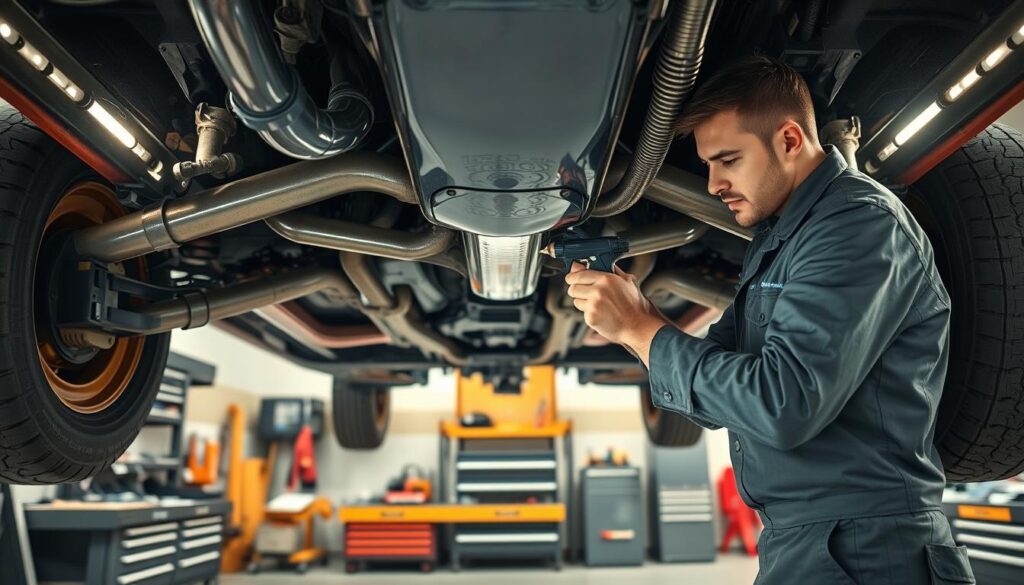
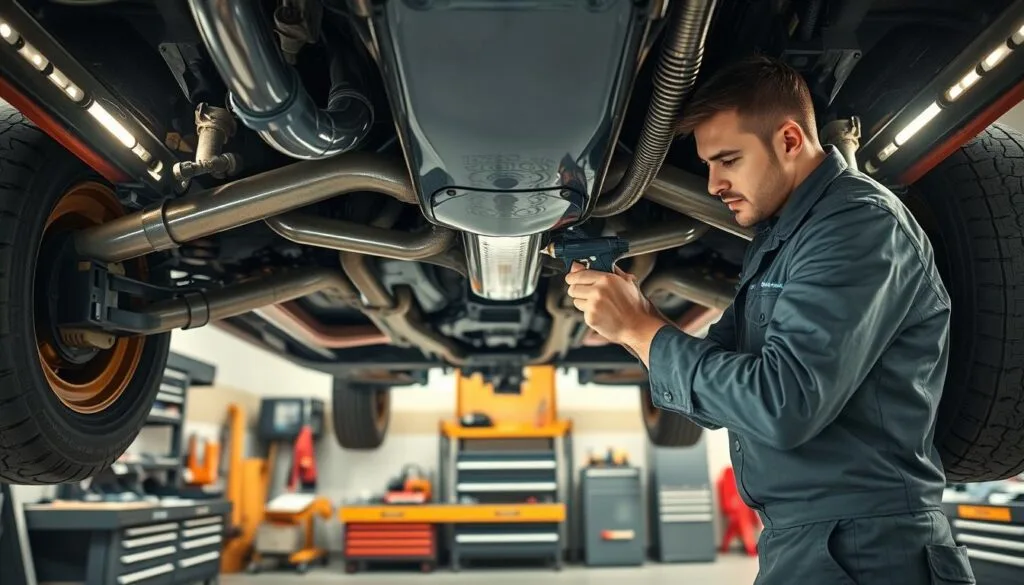
Installation quality often decides whether a coating delivers years of real rust resistance or just short-term cosmetic gain. Even top formulas fail if seams, joints, and cavities are missed.
Why thorough coverage makes or breaks results
Corrosion starts in hidden pockets. If inside doors, rocker panels, or body seams are skipped, moisture sits and spreads.
Drainage paths and cavity access must be clear so the product bonds and does not trap wetness against bare metal.
Timing and surface prep
New metal gives the best baseline: clean, dry surfaces help the application stick. Older Northeast undercarriages often have scale or existing rust that complicates bonding.
Quality shops may grind loose rust, prime bare spots, and allow proper curing time. That may mean leaving a car off the road for several days.
One controllable thing: choose a reputable installer and ask about prep steps, cavity access, and a reinspection plan.
- Evidence of cavity access and consistent coverage
- Removal of loose rust and treatment of bare surface areas
- Documented reinspection schedule and curing time window
For more on assessing structural risk before treatment, read this note on rutted frame safety.
Potential Downsides and Failure Modes to Watch For
A heavy shell on the underside sometimes creates a hidden corrosion risk. Thicker finishes can crack or peel at edges. When that happens, salt and water often migrate underneath and speed up rust in concealed spots.
Core failure mode: a separated layer acts like a trap. Once the barrier lifts at a seam or flange, trapped moisture sits against metal and accelerates scale formation where you can’t see it.
Chips and missed spots act as starters. Leading edges, frame rails, and pinch welds take debris impact and often show the first corrosion. Small misses grow into larger problems if not caught early.
Practical maintenance and owner realities
Periodic inspection is not optional over the course of ownership. Look for flaking, edge gaps, and fresh rust every year and after heavy winters.
- Aesthetics and mess: some products stain or look uneven and collect dirt on the underside.
- Smell and fumes: solvents or waxes can produce odor shortly after application; proper curing and ventilation reduce this.
- DIY headaches: scraping aged material and reworking edges takes time and can reveal concentrated rust where the old layer trapped moisture.
Bottom line: these downsides do not make treatments pointless, but they do shift value toward careful installer choice and a planned inspection cadence to keep issues from getting hidden and worse.
Ziebart vs. Oil-Based Rust Proofing: Fluid Film, Krown, and “Oil Undercoating” Approaches
Buyers often narrow the decision to a choice between a durable shell and a migrating oil that keeps working over time.
Hard coatings form a tough barrier on exposed panels. They resist chips and look cleaner under the car. That finish reduces dripping and shop cleanup after application.
By contrast, oil treatments such as fluid film and Krown-style oil undercoating creep into seams, cavities, and around fasteners. That capillary action displaces moisture and can slow active corrosion on cars with existing rust.
Maintenance realities
Many oil approaches require re-application every year. That annual rhythm raises lifetime cost and scheduling needs but keeps the treatment active.
Harder coatings need fewer frequent recoats, though inspections and touch-ups are still wise after heavy winters.
Practical tradeoffs
- Cleaner finish: barrier coats drip less and look neater.
- Seam reach: oil treatments often beat barrier-only systems at getting into hidden gaps.
- Fasteners and lines: oils can help keep brake and fuel lines serviceable on older cars.
Buyer tip: if you tolerate an annual visit and possible dripping control, oil treatment may outperform on older, rust-prone machines. If you want a cleaner shop finish and fewer service visits, a barrier system wins.
Cost, Value, and Ownership Math: How to Decide if It’s Worth the Money
Start by modeling annual salt exposure and repair risk to see whether a treatment makes financial sense.
Typical value drivers include avoiding costly rust repairs, preserving resale appeal, and extending your vehicle’s service life. Estimate likely problem areas: seams, rockers, and fasteners often trigger the biggest repair bills.
How mileage, winters, and ownership change the ROI
If you drive many winter miles and expect long ownership, cumulative salt exposure raises the chance of expensive repairs. A modest upfront cost can pay off by delaying line replacement and body work.
Short-term owners who trade within a few years see less benefit. Long-term owners recover more value as avoided repairs compound over time.
What to ask for in a quote
Treat a quote like a scope of work. Confirm which areas are covered (doors, rockers, cavities), what surface prep is included, and whether the product is wax-, oil-, or hard-coat based.
- Ask about inspection cadence: scheduled checks and touch-ups matter to keep coverage intact.
- Compare dealer vs specialty shops: dealer offers can be convenient, but verify coverage detail and thoroughness.
- Document promises: get treated areas and reinspection terms in writing to avoid surprises.
The clearest decision ties local salt exposure, budget limits, and willingness to maintain the coating. When those line up, the math usually makes the upgrade a sensible investment.
Warranty and Service Expectations at U.S. Ziebart Locations
A national warranty sounds simple, but the terms behind that phrase shape real outcomes. Read the written policy and ask for examples of local claims before you commit.
What “nationwide warranty” usually implies and what to clarify before you buy
Nationwide coverage often depends on documented inspections and scheduled touch-ups. Don’t assume full cosmetic or unlimited life claims.
Clarify definitions: ask whether coverage triggers on “rust through” only, or if surface corrosion qualifies. Get the list of covered panels and excluded conditions in writing.
Why “lifetime” rust coverage can become limited in salt states
High salt exposure raises claim rates. Historically, some programs narrowed terms in heavy-salt regions or added stricter maintenance rules.
Practical point: lifetime promises may carry caveats tied to normal mechanical life, usage, or mandatory reinspection schedules.
Documenting inspections and touch-ups to avoid coverage disputes later
Keep every invoice, inspection report, and touch-up receipt. Organize records by date and shop location.
- Confirm local shop inspection cadence before treatment.
- Save photos of treated areas at time of service.
- Request written recheck windows and touch-up policies.
Tip: when researching forums, expand full threads and note climate, vehicle age, and maintenance history to weigh real experiences against the printed warranty.
Conclusion
Decision time: a clear choice depends on local salt exposure, prep quality, and an honest maintenance plan.
Short verdict: ziebart undercoating can pay off in salt states when applied thoroughly to a newer car or truck and followed by scheduled inspections and touch-ups.
Installation quality and complete coverage at doors, rockers, seams, and edges matter more than brand alone. The new wax-based product and 2025 lab results address past cracking concerns, but real-world performance still hinges on surface prep and upkeep.
Recommendation: early application for new cars and trucks in rust-prone areas. Owners with existing corrosion should weigh oil-based options that creep into cavities.
Next steps: get a detailed quote, confirm the exact product, demand a list of treated areas, and understand inspection rules tied to any warranty.
FAQ
What does Ziebart undercoating protect on a vehicle?
The treatment targets the vehicle underside, wheel wells, rockers, body seams, and door cavities. It fills voids and coats metal surfaces to slow water, salt, and road-grime contact that drives corrosion. Proper coverage of seams, joints, and inside doors is vital for performance.
How does road salt and winter moisture accelerate corrosion?
Salt lowers water’s freezing point and speeds electrochemical reactions that eat metal. Repeated wet-dry cycles, slush, and gravel abrasion remove paint and expose bare metal, so spent winters with heavy salting greatly increase rust risk compared with mild climates.
How is an undercoating different from general rust proofing?
Undercoating typically means a thicker, wax- or rubber-based protective layer applied to the underside and body cavities. Rust proofing can include surface primers, galvanizing, or oil-based penetrants that creep into seams. Each approach has different penetration, longevity, and maintenance needs.
Who benefits most from a professional underbody treatment?
Drivers in rust-belt states, people who rack up winter miles, and long-term owners gain the most. If you plan to keep a vehicle many years or drive on salted roads regularly, a thorough application plus periodic inspections usually delivers clear value.
When might an underbody treatment not make sense?
In mild coastal or desert climates, for owners who trade vehicles within a year or two, or when heavy structural rust already exists, the cost and effort may not pay off. Existing severe corrosion often needs repair rather than surface coating.
How long does wax-based undercoating last and how often should it be inspected?
Modern wax-based formulas commonly last multiple years, but annual inspections are recommended—especially after winter seasons. Touch-ups every 1–3 years in salty regions help maintain protection; inspection frequency depends on mileage and local conditions.
Are the recent lab test claims about wax formulas reliable?
Independent ASTM and SAE tests such as salt-spray (B117), chip resistance (J400), and de-icer exposure (J2334) provide standardized comparisons. Lab results are useful, but real-world outcomes hinge on surface prep, application quality, and local driving conditions.
Can undercoating completely prevent rust over decades?
No coating guarantees absolute rust prevention forever. When applied correctly over clean, prepped metal and maintained, treatments can dramatically slow corrosion and reduce repairs, but gaps, chips, or trapped moisture can still allow rust to start.
What role does installation quality play in effectiveness?
Installation quality is crucial. Proper prep—removing existing rust, treating bare metal, and coating inside cavities and door bottoms—determines outcomes. Poor coverage or missed seams often explains early failures more than the product itself.
How do wax-based systems compare with oil- or fluid-film approaches?
Wax-based coatings form a thicker, durable surface barrier with better chip resistance, while oil-based products like Fluid Film or Krown penetrate seams and provide ongoing corrosion-inhibiting action. Oil systems can be better at reaching hidden cavities, but they require different maintenance and may drip if overapplied.
What are common failure modes to watch for after treatment?
Look for cracking or peeling where coatings are too thick, chips at edges and welds, trapped moisture under poorly adhered layers, and missed spots in high-risk areas. Visual checks and targeted touch-ups prevent small issues from becoming structural problems.
Could undercoating cause problems like odor or mess?
Some products emit odor during and shortly after application, and oil-based treatments can drip if not applied carefully. Expect some mess around application areas; reputable shops use containment and curing protocols to minimize nuisance.
How should I budget and evaluate quotes for underbody treatment?
Ask what areas get treated (cavities, seams, frame, wheel wells), whether rust removal or metal prep is included, warranty terms, and inspection cadence. Compare materials, labor detail, and expected touch-up intervals rather than price alone.
What does a nationwide warranty typically cover at a service chain?
Warranties often cover coating failure, flaking, or perforation due to untreated corrosion under defined limits. Clarify exclusions (environmental damage, lack of maintenance), required inspections, and documentation needed to keep coverage valid.
How does ownership timeline affect return on investment?
Longer ownership increases ROI because saved repairs and improved resale can exceed initial cost over time. Short-term owners or low-mileage drivers in mild climates may see little financial benefit.
If my vehicle already has surface rust, should I still get a coating?
Treating active rust requires proper mechanical removal or stabilization before coating. Applying a surface coating over loose or scale rust often traps moisture and accelerates corrosion. Have a shop assess and prep rusty areas first.
How do I document service to protect warranty coverage?
Keep invoices, dated inspection reports, and photos of treated areas. Follow recommended inspection and touch-up schedules and obtain written confirmation of any rework. Proper records reduce disputes over coverage later.