
What this guide covers: plain-language help for U.S. drivers who spot a transmission warning and need fast, reliable answers now.
Definition: a transmission fault means the vehicle’s shift system is signaling a problem that can be mechanical or electronic. Early action stops small issues from becoming a full rebuild.
This introduction previews what comes next: what a warning usually means, simple immediate steps, the symptoms to watch for, the most likely causes, and how a shop confirms the real issue.
Modern systems use adaptive software, control modules, and mechatronic parts. That makes troubleshooting different from many other cars. Software and sensors can trigger the same driveability issues as hydraulic wear.
Why it matters: driving on after a warning can raise repair costs and shorten component life. This guide covers both mechanical and electronic paths, plus safe quick checks you can do at home.
Key Takeaways
- Stop and assess if multiple warnings or strange noises appear; limp mode can be safer short-term.
- Look for delayed shifts, slipping, grinding, leaks, or burning smell as early signs.
- Diagnosis must include scan data, fluid check, and pressure or mechatronic tests.
- Ask shops for fluid specs, test logs, and a cost estimate for rebuild vs replacement.
- Act early to limit damage and keep repair options and costs lower.
What a BMW Transmission Fault Warning Means for Your Vehicle Today
Quick overview: When a transmission warning appears, the system has detected an abnormal operating condition and often changes shift strategy to protect hardware. That change can limit power, reduce available gears, or force a limp mode to prevent major damage.
Why modern units behave differently
Modern drivetrains use adaptive learning and electronic control modules that adjust shift patterns over time. Adaptive learning can hide small problems until internal thresholds trigger an alert. That means the car may run fine for a while, then suddenly show a warning.
The mechatronic unit blends hydraulic valve body functions with electronics. This integration makes symptoms less predictable than older automatics. Electronic errors, sensor drift, or hydraulic issues can produce similar performance changes.
What warning displays you might see
- Transmission Malfunction or drivetrain malfunction messages.
- Check engine light or related engine/drivetrain lights that reference codes and stored errors.
- Reduced power or limited shift range notices on the instrument cluster.
A warning does not always mean total failure, but it is time-sensitive. Driveability changes like delayed shifts, reduced performance, or strange engagement are signs to act. A professional will read module codes and error records first, since a basic scan can miss BMW platform specifics.
Next: What you do in the first minutes after a warning affects outcomes and cost. Follow the immediate steps in the next section.
Immediate Steps to Take When You See a Transmission Fault or Notice Shifting Issues
If your car shows a drive warning or odd shift behavior, act quickly. Small problems can escalate into major damage in a short time. Stop in a safe spot and assess basic signs before deciding to continue driving.
Stop now or limp to a shop?
Stop and arrange a tow if you have loss of forward motion, can’t select a gear, severe slipping, loud grinding, or sudden rapid decline. These are red flags that mean immediate towing is safest.
You may cautiously limp to a nearby shop if the vehicle still engages reliably, no burning smell is present, and the car has reduced power but holds gear selection. Keep speeds low and avoid heavy load or steep grades.
What limp mode does and what it protects
Limp mode limits available gears, reduces torque, and stabilizes hydraulic targets. It aims to protect clutch packs, valve body circuits, and heat-sensitive components when pressure or sensor inputs look abnormal.
Quick checks you can do now
- Look for visible leaks under the car and wet spots on the ground.
- Smell for burned fluid or a hot odor—this can indicate overheating fluid.
- Note delayed engagement, new noises, or grinding when shifting or selecting gear.
Caution: don’t top off a sealed system without correct procedure—incorrect fluid level can make the problem worse. Time is critical: continuing to drive while slipping can turn a fixable issue into major internal damage. Prepare to describe exact symptoms to the shop in the next section.
Key Symptoms of BMW Transmission Problems You Shouldn’t Ignore
Small changes in shift feel or odd engine rev behavior often signal a wider driveline issue. Note when symptoms start and the driving condition (cold start, uphill, or cruising).
Delayed engagement, hesitation, and rough shifts
Park-to-Drive lag or hesitation from a stop usually points to low pressure or fluid-related problems. Rough or clunky shifts may come from worn valve body parts, solenoids, or degraded fluid affecting timing.
Slipping gears and inconsistent power
Slipping shows as high RPM with little acceleration and a car that hunts between gears. This symptom reduces engine power and risks rapid wear if left running.
Noises, jerking, and vibration
Whining, humming, buzzing, or clicking during shifts often signals internal wear or low fluid. Clunking can involve mounts or driveline parts. Jerking or vibration during a shift is a safety concern—stop driving and get a check.
Leaks, odor, and overheating signs
Dark, burnt-smelling fluid or puddles under the vehicle mean fluid loss and heat risk. A burning odor suggests clutch material breakdown and fast damage. Document any accompanying warning lights and when they appear to aid a shop’s assessment.
BMW Transmission Fault: 9 Common Causes, Diagnosis & Repair
Many driveability alerts stem from a few repeat issues; identifying them quickly guides the right fix.
Low transmission fluid levels and why it matters
Low fluid levels are the top trigger. Loss of hydraulic pressure causes delayed engagement, harsh shifts, and rapid clutch wear. Corrective repair usually focuses on finding the leak and restoring proper level with the specified ATF.
Degraded or contaminated fluid
Heat cycles break down additives and allow debris to accumulate. Poor fluid causes inconsistent shifting and poor performance. A proper service replaces fluid with the correct specification and inspects for internal wear.
Leaks and mechatronic sleeve problems
Seals, gaskets, sleeves, and lines can drip or seep. Even minor leaks reduce margins on sealed designs. Mechatronic sleeve failures create internal pressure loss and erratic shifts; repairs often require sleeve or mechatronic work.
Valve body, clutch, sensor, and overheating issues
Worn valve body parts or failing solenoids alter pressure timing and cause flares or rough shifts. Clutch pack wear shows as slipping and flare between gears and worsens fast if driven. Sensor or control-module faults can trigger warnings without heavy mechanical damage. Overheating—often from low fluid or sludge—accelerates component damage and can push a unit past safe repair limits.
Note: BMW “sealed for life” messaging is misleading; correct ATF (for example, ZF Lifeguard 8 on many models) and the proper fill procedure are critical to avoid follow-up problems.
Diagnosis Workflow: How to Pinpoint the Real Transmission Issue
Good shops combine module data with controlled road tests to reproduce and confirm a shifting issue. A step-by-step workflow shows thoroughness and avoids guesswork.
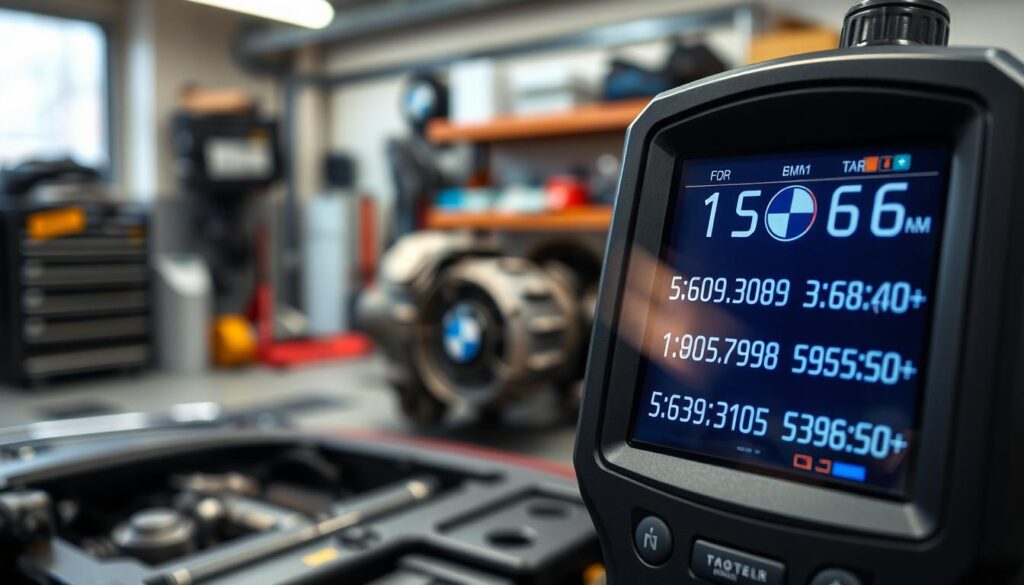
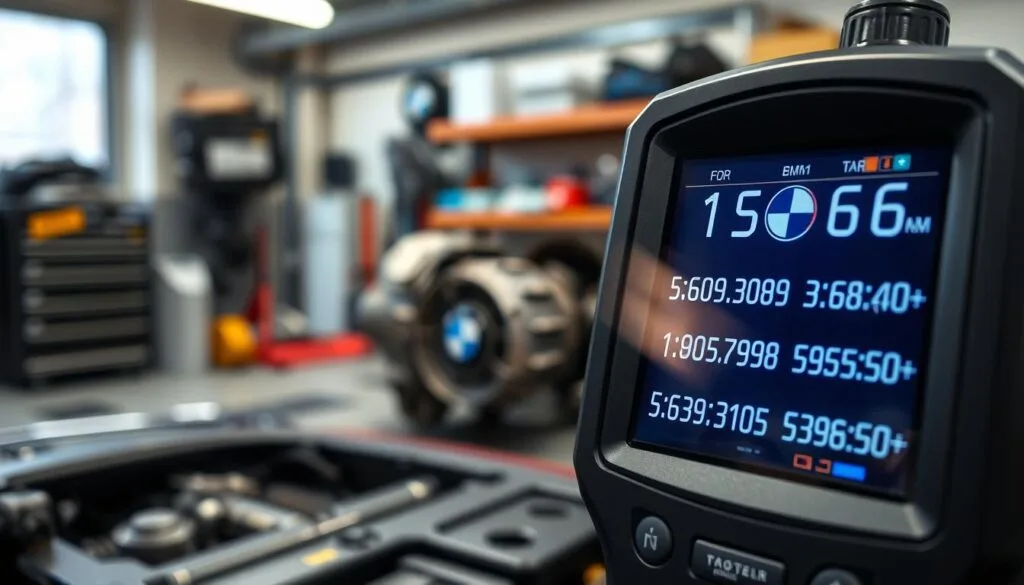
OBD-II scanning and interpreting codes
Start with an OEM-level scan. Generic readers show stored codes, but dealer or specialist tools reveal module data and live values.
P17XX-series codes often flag clutch, pressure, or solenoid errors. Treat codes as leads, not final answers.
Road test patterns to isolate the problem
Note when the error appears: cold versus hot, light throttle or full load, low gears or high gears. These patterns narrow hydraulic versus mechanical causes.
Checking fluid without a dipstick
Sealed units need a controlled fill at the correct temperature. Technicians use lift access, fill adaptors, and temperature checks to confirm fluid levels and performance.
Inspecting leaks and software adaptation
Visually confirm the leak source—pan gasket, sleeve, seal, or line—before adding fluid. Also check adaptive values and software updates, since learning parameters can change shift feel.
- Scan and record codes and live data.
- Road test to reproduce symptoms and log conditions.
- Inspect for external leaks and verify source.
- Check fluid level per OEM temperature procedure.
- Review adaptation values and clear aging codes only after confirming the root cause.
Document timing and exact symptoms. That reduces time and helps isolate whether the problem is hydraulic, mechanical, or electronic control related.
Common BMW Transmission Repair Services and What Each Fix Addresses
When a shifting problem appears, the right service depends on whether the issue is simple wear or internal damage. Choosing the correct work saves time and lowers the chance of repeat problems.
Fluid change vs complete flush
A basic fluid change replaces drained fluid and fills with the correct spec fluid. It costs roughly $300–$600 in the U.S. and is ideal when mileage is moderate and fluid shows little contamination.
A complete flush forces out more old fluid and debris. Use a flush when heavy sludge, burnt smell, or many miles without service appear. Technicians decide based on pan inspection and symptoms.
Filter replacement and debris checks
Technicians inspect the pan and filter media for metal or clutch material. Finding debris is a tell for deeper component wear and may shift the plan from simple service to a more involved fix.
Mechatronic sleeve and sealing repairs
Targeted sleeve or seal work addresses internal leaks that cause low pressure and erratic shifting. These repairs stop internal fluid loss and restore proper hydraulic control.
Valve body and control repairs
Valve body work or solenoid replacement corrects pressure timing and shift quality. When circuits stick or valves are worn, this service restores reliable shift control.
Rebuild vs replacement
A rebuild is chosen for clutch damage, heavy debris, or burnt fluid. Replacements occur when damage is severe or parts are unavailable. Expect a rebuild to take ~3–5 days; a swap often finishes in 1–3 days depending on parts and shop scheduling.
Bottom line: match the service to the root problem, not just the symptom, to prevent repeat failures and longer downtime.
Repair Costs and Timelines in the United States: What to Expect
Expect costs and calendar time to vary widely depending on service depth and model specifics.
Typical starting point: a standard transmission fluid service in the U.S. runs about $300–$600. That price usually covers correct fluid spec, a level set per OEM procedure, a basic leak inspection, and sometimes a filter or pan gasket where applicable.
What a fluid service typically includes
- OEM-spec fluid fill and quantity per procedure.
- Fluid-level set at the specified temperature and vehicle position.
- Visual leak check of pan, seals, and lines.
- Filter and pan gasket replacement when required by model.
Why prices and time vary
Costs change by model, transmission type (6-speed, 8-speed/ZF, or DCT), and how easy the unit is to access. Labor rates and parts availability also matter.
Time expectations
Routine fluid services often finish the same day or in a short service visit. A full rebuild usually takes ~3–5 days. A unit replacement commonly completes in about 1–3 days when parts are on hand.
Planning guidance
If the vehicle is in limp mode but still drivable, schedule service quickly to lower the chance of added damage. Repeated overheating or slipping raises the odds of clutch and valve-body harm, which increases both cost and time in shop.
Practical tip: get written estimates that list fluid spec, parts, labor time, and warranty so you can compare services and avoid surprise charges.
Where to Get Your BMW Transmission Fixed: Dealership vs Independent European Specialist
Choosing where to service a warning matters for cost and outcome. Dealerships often charge 30–50% more due to higher labor rates, dealer parts pricing, and overhead. Independents that specialize in European cars tend to match OEM procedures at lower fees.
Why diagnostics matter: a shop with brand-specific scan tools reads module data and live values. That prevents unnecessary parts swaps by correctly interpreting codes and stored error data across the control system.
How to pick the right shop
- Verify they use OEM-level scan tools and software for proper diagnosis.
- Ask for documented experience with ZF and platform-specific units.
- Look for clear communication and a written process for testing and confirmation.
What to request in the estimate
Insist the estimate lists parts (OE vs aftermarket), the exact fluid spec, whether adaptations or resets are included, and warranty terms. Also ask how they will confirm the root problem — road test, leak verification, level check, and a scanned report — before recommending service, sleeve work, valve-body service, or a rebuild.
Preventing Transmission Faults: Maintenance That Actually Extends Transmission Life
Simple checks and timely service preserve shift feel and long-term performance. The idea that a unit is truly “sealed for life” is misleading. Fluid still breaks down from heat and time, even if the case is not owner-serviceable.
The right service cadence
Most specialists advise service roughly every 30,000–50,000 miles, with many recommending changes near 50,000–60,000 miles. Cars used for towing, heavy traffic, or spirited driving need service more often.
How small leaks escalate
Even minor leaks drop fluid levels. Low fluid raises operating temperature and speeds clutch wear. That creates debris, which worsens pressure control and leads to internal damage if unchecked.
Practical prevention tips
- Watch for early signs: softer shifts, faint burnt odor, or small spots under the vehicle.
- Warm the car gently, use smooth throttle, and avoid repeated hard launches or overloads.
- Prefer professional service for sealed designs — correct transmission fluid, fill temperature, and adaptation resets need proper tools.
Bottom line: routine maintenance is the cheapest way to avoid major failure, protect performance, and keep your vehicle on the road.
Conclusion
Quick, calm action when you notice odd shifting or a warning light can save time and money. Early attention stops heat and wear from turning small problems into major damage.
Watch for clear signs: slipping gears, a burning smell, visible leaks, harsh shifts, new noises like grinding, or persistent warning lights. Document when each sign appears and the driving conditions.
Next steps: avoid aggressive driving, note stored codes or error messages, and schedule a BMW-capable shop for proper diagnosis. Accurate fluid level and the correct fluid type matter on sealed designs—incorrect topping-off can worsen issues.
Many transmission issues trace back to missed maintenance, leaks, or overheating. If the vehicle loses power or won’t engage gear, stop and tow. If limp mode holds and the car is stable, proceed carefully to service. With the right check and plan, most faults are fixable without immediate replacement.
FAQ
What does a transmission fault warning mean for my vehicle right now?
A transmission fault warning signals the control system detected abnormal behavior in shifting, pressure, or sensor feedback. It can range from early electronic glitches to serious hydraulic or mechanical failures. Treat warnings seriously: check for obvious signs like leaks, burning smell, or poor engagement, and avoid driving aggressively. If the car enters limp mode or warns of overheating, stop and get a tow to a shop.
How do BMW automatic gearboxes differ from other designs?
Many BMWs use adaptive shift logic, sophisticated mechatronic units, and transmission control modules that learn driving patterns. That makes diagnostics more software-driven: stored fault codes, adaptation values, and module communication checks are often needed to find the root cause rather than obvious mechanical wear alone.
When should I stop driving and tow the vehicle versus limping to a shop?
Stop and tow if you smell burning, notice severe fluid leaks, hear loud grinding, experience loss of drive, or see a transmission hot warning. If the car is in limp mode but still moves slowly and there are no fluid leaks or severe noises, you may cautiously drive to the nearest trusted shop. Keep speeds low and avoid stop-and-go traffic.
What quick checks can I safely perform myself at the roadside?
Look under the car for fresh red or brown fluid puddles. Smell the interior for a burnt odor. Note how gears engage and whether the engine revs without forward motion (slipping). Do not open the transmission while hot or attempt repairs yourself beyond basic visual checks.
What symptoms commonly indicate gearbox problems I shouldn’t ignore?
Key signs include delayed engagement, harsh or clunky shifts, slipping (high RPM without acceleration), grinding or whining noises, jerking or vibrations during shifts, fluid leaks, and a persistent transmission hot smell. Early diagnosis prevents costly internal damage.
How can transmission fluid color or smell help diagnose an issue?
Healthy automatic fluid is clear to reddish and slightly sweet. Dark, brown, or black fluid with a burnt odor suggests overheating or contamination and possible internal wear. Milky fluid can indicate coolant contamination. Any abnormal color or smell means service is needed.
What are the most frequent causes of electronic or hydraulic shifting problems?
Typical triggers include low fluid level, contaminated or degraded fluid, external leaks from seals or lines, mechatronic sleeve failure causing pressure loss, valve body wear or sticky valves, solenoid faults, clutch pack wear, sensor or control module communication errors, and overheating from sludge or debris buildup.
How do technicians diagnose the exact transmission issue?
Diagnosis usually starts with reading OBD-II codes, including P17xx-series codes that point at shift or pressure faults. Technicians perform controlled road tests, inspect for external leaks, check fluid condition and level using BMW-specific procedures, and test mechatronic and solenoid function. Software adaptation checks and module communication tests are often needed.
Why is checking fluid level on many BMWs different from other cars?
Many models lack a traditional dipstick and require the vehicle to be level, at specific temperature ranges, and the engine running during the fill/check procedure. Some cars need an inspection plug or scan-tool-guided process. Incorrect fill methods can cause pressure issues and shifting faults.
When is a fluid change enough versus a full flush or rebuild?
A fluid and filter change can resolve issues when fluid is degraded but internal wear is minimal. A complete flush helps when contamination is widespread but carries risks if debris dislodges. Rebuild or replacement becomes necessary with severe internal damage, burnt clutches, or metal debris in fluid. A proper inspection and diagnostic help decide the correct service.
What repair services address mechatronic and valve body failures?
Shops may perform mechatronic sleeve replacement, valve body repair or replacement, solenoid swaps, and re-sealing to restore internal pressure control. Where clutch packs are worn, a partial or full overhaul can be required. Always request that parts and fluid meet the manufacturer’s specifications.
How much do typical fluid services and repairs cost, and how long do they take?
Routine fluid service and filter replacement usually take a few hours and cost considerably less than internal repairs. Valve body or mechatronic work can take a day or more, while full rebuilds or replacements may take several days and cost significantly more. Prices vary widely by region and shop; get a detailed estimate listing parts, fluid type, adaptations, and warranty.
Should I go to a dealership or an independent European specialist for repairs?
Dealerships offer OEM parts and programming but typically charge more. Independents with BMW experience often match quality at lower rates if they have proper diagnostics and training. Ask any shop about diagnostic equipment, fluid specs, adaptation procedures, parts sourcing, and warranty before committing.
How can I prevent shift problems and extend transmission life?
Maintain recommended service intervals, monitor for leaks, and replace fluid per specialist guidance even on “sealed” units. Avoid aggressive launches and towing beyond rated limits. Promptly address leaks and overheating signs—small issues can quickly cause sludge, pressure loss, and internal damage.
Can software updates or adaptation resets fix shift complaints?
Yes. Some shifting issues stem from outdated control software or incorrect adaptation values. A trained technician can update transmission control software and perform adaptation resets after repairs. However, software fixes won’t help if there’s mechanical damage or low fluid.
What risks come with DIY transmission work on these vehicles?
Incorrect fluid type, wrong fill level, improper bleeding, and missed software adaptations can worsen problems. Mechatronic units and valve bodies are sensitive; contamination during service can cause failure. Unless you have the right tools and procedures, professional service is safer and often more cost-effective.