
Short answer: recent model updates show clear improvement, but legacy groups still carry risk for U.S. owners. This piece explains what “fixed” means in ownership terms and where concerns remain.
We frame the topic as a direct comparison: A) pre-2020 Theta II-era populations tied to NHTSA action and class claims, and B) post-2020 Smartstream updates with fewer early complaints. The focus is U.S. markets, high-volume models, and oversight by regulators.
Readers will learn how failure patterns (stalling, knock, oil loss), safety implications, and cost impacts (recalls, warranty extensions, settlements) factor into buying or keeping a used vehicle. The article stays consumer-focused and informational, not legal advice.
Takeaway preview: older Theta II-era platforms remain the main source of ownership risk, while newer designs look better but lack long-term data.
Key Takeaways
- Smartstream-era updates reduce early complaint rates compared with earlier Theta II groups.
- NHTSA oversight and settlements shaped remedies for affected owners in the U.S.
- Focus on symptoms: stalling, knock, and oil loss when evaluating used models.
- Check warranty extensions and recall histories before buying or keeping an older vehicle.
- Information here is consumer-focused and not individualized legal advice.
What triggered Hyundai and Kia engine reliability concerns in the United States
Rising owner complaints about stalls, noise, and smoke soon became a pattern regulators could not ignore.


The Theta II GDI timeline centers on a 2011 change in a Montgomery manufacturing process. Debris left in crank oil passages could limit oil flow to rod bearings. That led to heat, premature bearing wear, knock, and sometimes sudden failure or stalling.
NHTSA attention climbed as VOQ reports increased by 2015. A major recall covered many 2011–2012 Sonatas, with inspections, tablet-based noise checks, and engine replacement for confirmed failures.
Non-crash fire reports and safety scrutiny
Complaints of smoke, burning odor, melted wiring, and actual engine-compartment fires prompted petitions and wider probes. Loss of oil flow or piston damage often preceded these events, raising safety concerns about sudden stalls and fire risk.
Other engines and owner warnings
Gamma 1.6L GDI and Nu 2.0L groups later surfaced with excessive oil consumption and stalling allegations. Owners repeatedly reported knocking, illuminated oil-pressure or check lights, smoke, and reduced performance.
- Warning signs: knock/noise, oil/check light, smoke or odor, sudden power loss or stall.
- Prompt inspection can limit further damage and help assess recall or warranty options.
Has Hyundai Fixed Their Engine Problems?

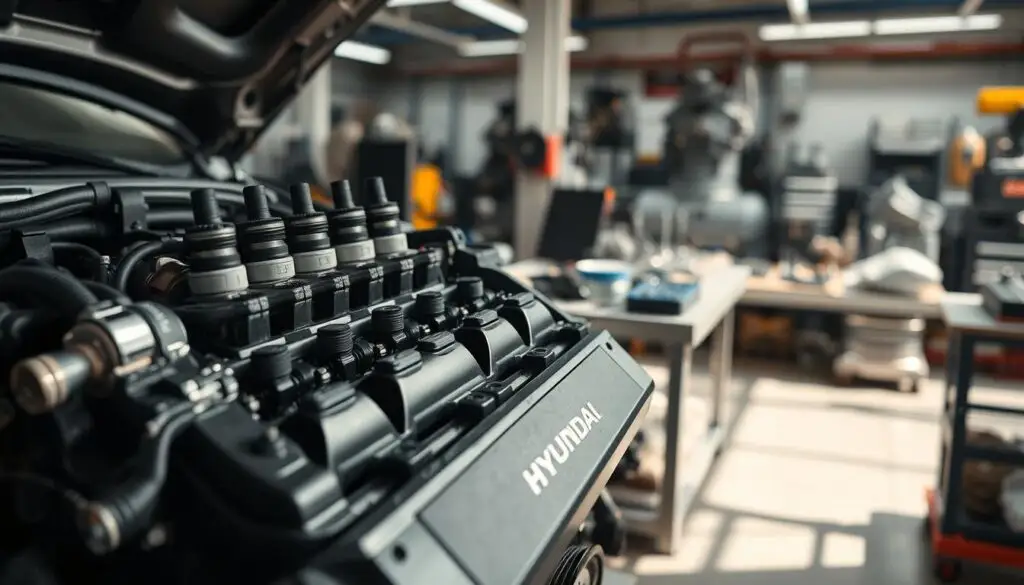
A: older, pre-2020 model years
For 2011–2019 models, the record shows multiple recalls, extended warranty programs, and dealer campaigns tied to rod-bearing wear, stalling, and oil loss.
Practical impact: many owners saw inspections, software updates, and engine replacements. Warranty extensions often reduced out-of-pocket costs even when a formal safety recall was not widely publicized.
B: post-2020 updates and Smartstream designs
From mid-2020, revised parts aimed to control oil consumption and reduce premature wear.
Reported changes include updated piston rings, new piston coatings, improved valve seals, and better crankcase ventilation. Early complaint rates dropped versus earlier groups.
Confidence and remaining risk
Fewer early reports are a positive sign, but long-term durability needs more time and miles to prove out.
The highest current risk still centers on Theta II-era vehicles across overlapping hyundai kia platforms from 2011–2019.
Buyer guidance
- Compare engine family and model years before purchase.
- Confirm recall completion and any extended warranty coverage.
- Favor post-2020 Smartstream models when possible for lower early complaint rates.
Next: how recalls, settlements, and extended warranty terms changed ownership costs.
Recalls, settlements, and warranty coverage that changed ownership costs
Federal enforcement and a consolidated class-action case produced concrete remedies for qualifying vehicle owners.
Major legal and regulatory milestones
May 11 approval: a U.S. district court approved a $1.3B class-action settlement covering roughly 3.9 million owners of 2011–2019 Sonata, Santa Fe, Tucson and comparable Kia models.
NHTSA action: a $210M consent penalty addressed untimely recalls and reporting failures tied to more than 1.6 million vehicles.
What owners actually received
Dealers installed free Knock Sensor Detection Software (KSDS) to flag early symptoms. That tool aimed to catch warning signs before major failure.
When diagnostics show qualifying damage, owners could follow an engine replacement pathway or receive repairs without out-of-pocket cost under the program terms.
Reimbursements and loss-of-value payments were made available for documented past repairs and certain diminished value claims. Keep receipts, service records, and VIN documentation when you apply.
Warranty and practical distinctions
The settlement created a limited “lifetime warranty” tied to specific settlement conditions, not a blanket lifetime promise for all cars. Separate powertrain extensions (up to 15 years/150,000 miles in some programs) also applied for qualifying models.
- Check VIN status with NHTSA and manufacturer portals.
- Confirm whether a recall or extended warranty covers needed work.
- Ask the dealer what documentation is required for reimbursements or loss payments.
Bottom line: the combined law and regulatory outcomes reduced repair costs for many owners, but eligibility depends on model year, engine family, and program rules. Verify program details before paying.
Conclusion
Conclusion
In short, newer designs appear to correct the most common early failure patterns while older platforms still carry higher ownership risk.
What “fixed” means: fewer consumer complaints and revised parts design suggest improvement, but long‑term durability is proven only with years and miles, not headlines.
Practical rule for U.S. buyers: favor later model years when possible. If choosing older cars, confirm recall completion and document maintenance before purchase.
Owners of at‑risk vehicles should monitor oil level, act on knock or warning lights, and keep service records to support warranty or settlement claims.
Safety note: stalls and fire reports can be serious—prompt inspection matters. This article provides general consumer information, not individualized legal advice.
FAQ
What triggered Hyundai and Kia engine reliability concerns in the United States?
Starting in the late 2000s and through the 2010s, consumers and regulators flagged repeated reports of excessive oil consumption, knocking, stalling, and in some cases engine seizures and fires. Investigations highlighted manufacturing debris, premature rod bearing wear, piston ring and piston coating failures, and oil control issues. These symptoms often showed up as illuminated oil pressure or check engine lights, unusual smoke, or sharp performance loss.
What were the main faults with the Theta II GDI family?
The Theta II gasoline direct injection engines experienced several failure modes: casting or assembly debris that damaged bearings, rod bearing wear leading to loss of lubrication and risk of catastrophic failure, and combustion-related stresses that increased knock and seizure risk. Some failures caused abrupt stalls and raised fire risk when oil flow and lubrication were compromised.
Were there confirmed non-crash engine fire reports tied to these defects?
Yes. Regulators and safety databases recorded non-crash fire incidents linked to engine failures. Investigations tied many cases to oil flow loss, overheating, and mechanical failure after prolonged excessive oil consumption or bearing collapse. Those incidents prompted heightened NHTSA scrutiny and recalls or campaigns.
Which other engines drew complaints and legal attention?
Beyond Theta II, owners reported issues with Gamma 1.6L GDI and Nu 2.0L engines showing notable oil consumption and related failures. These engines were part of models across Hyundai and Kia lineups and factored into consumer complaints and regulatory reviews.
What warning signs should owners watch for?
Early indicators include persistent knocking or tapping noises, frequent need to add oil, the oil pressure light or check engine light illuminating, blue or gray exhaust smoke, reduced acceleration, and unusual vibrations. Any of these should prompt immediate inspection to avoid severe damage or safety risks.
For older-model owners, what does the record show about recalls and lingering complaints?
Manufacturers issued multiple recalls, service campaigns, and software updates for pre-2020 models. Still, owners continued reporting oil consumption and failures after repairs in some cases. Some remedies were limited to inspections or software changes, while others led to engine replacement options under specific conditions.
What changes were made after mid-2020 to reduce these failures?
From about 2020 onward, engineers introduced redesigned piston rings and coatings, improved valve seals, enhanced crankcase ventilation, and tighter manufacturing controls to prevent debris. Newer Smartstream engines also shifted design and fuel-management strategies to lower oil consumption and stress on internal components.
Do newer engines show better reliability in available data?
Early data and consumer reports suggest fewer early-life complaints for updated designs, and warranty claim rates declined for many refreshed models. However, long-term durability beyond several years remains less documented, so the full picture depends on expanded mileage and time in service.
Where does risk still concentrate for used‑car buyers?
The greatest residual risk lies with vehicles from roughly 2011–2019 that use Theta II and related platform engines. Overlapping components across Hyundai and Kia models mean many platforms share the same exposure. Buyers should check service history for oil consumption repairs, engine replacements, or extended warranty transfers.
What major legal and regulatory actions changed ownership costs?
A landmark class-action settlement and substantial NHTSA enforcement actions led to combined remedies and penalties that exceeded hundreds of millions of dollars. These milestones forced broader dealer remedies, extended warranty programs, and reimbursements that lowered long-term ownership costs for some affected owners.
What practical remedies did owners receive under settlements and campaigns?
Remedies included software updates to improve knock detection, dealer inspections, reimbursements for prior repairs, conditional engine replacements, and extended powertrain coverage for qualifying vehicles. Implementation varied by model year, mileage, and owner documentation.
How do extended warranty terms impact potential repair costs now?
Extended powertrain or engine coverage from the manufacturer or third parties can significantly reduce repair exposure. Settlement-related “lifetime” protections and expanded warranty periods applied to qualifying vehicles and owners, but eligibility rules and transferability differ, so verify the specific terms before purchase.
If I own an affected vehicle, what should I do now?
Keep detailed service records and monitor oil levels regularly. If you notice knocking, smoke, or warning lights, stop driving and seek dealer diagnosis. Check VIN-specific recall lookup tools and any settlement eligibility portals. Consider extended coverage if your vehicle falls within a risk cohort.
Can dealers refuse warranty coverage for these issues?
Dealer refusal is uncommon when evidence shows a covered defect, but disagreements occur over fault cause or maintenance history. If a claim is denied, document communications and escalate to manufacturer customer service, consumer protection agencies, or legal counsel if necessary.
Are there aftermarket fixes or preventive steps owners can take?
Regular oil checks with manufacturer‑specified oil, timely oil changes, and avoiding extended low‑oil operation help. Some shops offer upgraded piston rings or oil control components, but quality and warranty implications vary. Prefer factory or dealer-approved repairs when possible.
How can used‑car shoppers minimize exposure when considering models from affected years?
Obtain a full service history, verify any past engine repairs or replacements, run a pre-purchase inspection focusing on oil consumption and compression tests, and confirm any active coverage or settlement eligibility. Prioritize vehicles with documented engine work performed under manufacturer campaigns.