
Choosing the right lubricant matters. Many modern engines call for the 5W-30 viscosity grade to handle a wide range of temperatures across the United States. This guide helps owners pick products that protect aging parts and keep cars reliable on daily routes.
Synthetic motor oil offers clearer protection than conventional oils, especially once a vehicle passes about 75,000 miles. Better additives reduce sludge and cut internal friction. Regular oil changes and following the owner manual are key to preserving longevity.
We compare full synthetic and synthetic blend options from trusted brands like Mobil, Castrol, Valvoline, Amsoil, and royal purple. Our focus is on real-world protection, cost versus benefit, and maintaining warranty recommendations. Use this list to match a product to your driving style and engine needs.
Key Takeaways
- Synthetic oil often outperforms conventional oils in older vehicles.
- Stick to the owner manual weight to protect warranty and parts.
- Quality lubricants help prevent sludge and lower wear.
- Regular oil changes are the best defense for long-term reliability.
- Compare brands and formulas to balance price and protection.
Understanding the Needs of High-Mileage Engines
Mileage takes a toll: seals harden, piston rings lose their snug fit, and friction rises as parts age. Once a vehicle passes about 75,000 miles, many engines move into the high mileage category and need targeted care.
Common Engine Wear
As engines age, cylinder walls and rings wear. That wear can reduce compression and lower overall performance.
Older motors also show oil leaks as seals and gaskets stiffen. Sludge buildup is another chief concern that cuts efficiency.
Benefits of Specialized Formulas
High mileage motor oil includes detergents and additives that help clean deposits and soften seals. This reduces consumption and can stop minor leaks.
- Extra anti-wear agents shield metal surfaces during cold starts.
- Detergents keep internal passages clear to preserve power.
- Consistent protection helps extend the service life of aging vehicles.
Choosing a suitable synthetic motor or motor oil geared to older engines is a practical step to maintain reliability and protect long-term value.
Why Synthetic Oil Matters for Aging Vehicles
Choosing the right oil is a smart move once a car has many miles. Aging vehicles need lubricants that hold their viscosity and resist breakdown under heat.
Synthetic motor oil delivers more stable protection than conventional fluid. Its advanced chemistry keeps a consistent film at high temperatures and flows easily on cold starts.
- Better thermal stability: resists oxidation and reduces deposit formation in older engines.
- Improved start-up protection: flows quickly at low temps to lower wear during cold cranks.
- Detergent action: full synthetic formulas help dissolve internal deposits and keep passages cleaner.
- Extended service: high-quality motor oils can stretch intervals and maintain vehicle reliability under load.
Brands such as Royal purple and other respected names tailor products for engines past 75,000 miles. Investing in a proven synthetic oil gives measurable protection and helps retain value as your vehicle ages.
Mobil Full Synthetic High Mileage Motor Oil
Mobil’s full synthetic formula targets common seal and gasket issues found in aging vehicles. This motor oil blends seal conditioners with a high-performance base to help soften hardened gaskets and reduce leaks.
Seal Conditioning Benefits
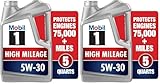
Mobil Full Synthetic High Mileage Motor Oil 5W-30 (on Amazon) is engineered to meet the demands of engines past 75,000 miles. The seal conditioning agents help revive seals and curb common oil seepage in older vehicles.
The formula also contains advanced anti-wear additives that protect critical motor parts during startup and under load. That protection reduces wear and helps prevent sludge buildup in hard-working engines.
- Designed for engines that have exceeded typical mileage thresholds and need targeted care.
- Seal conditioners help stop and prevent leaks while reducing oil consumption over time.
- A strong additive package cleans internal surfaces, supporting better efficiency and steady performance in varied climates.
- Mobil’s blend provides thermal stability to maintain viscosity and protect components across temperatures.
Choosing this full synthetic product gives drivers peace of mind. Regular use can extend service life and reduce the frequency of top-offs between scheduled maintenance visits.
Castrol GTX High Mileage Synthetic Blend
For drivers seeking balanced protection and value, Castrol GTX offers a Triple Action Formula tailored to older engines. This synthetic blend reduces burn-off, helps prevent leaks, and fights sludge that can rob power and efficiency.

Castrol GTX High Mileage 5W-30 Synthetic Blend Motor Oil, 5 Quarts (on Amazon) is sold in a single five-quart container that makes DIY changes simple. The blend pairs seal conditioners with detergents to rejuvenate gaskets and clear deposits.
- Popular balance between protection and price for older vehicles.
- Seal conditioners help stop common leaks and lower oil consumption.
- Triple Action Formula targets burn-off, seals, and sludge to preserve engine life.
- Castrol’s lineup includes the Castrol edge series for drivers needing full synthetic solutions.
Summary: This synthetic blend is a practical choice when you want improved protection over conventional oils without paying premium prices. It helps aging engines run cleaner and longer while keeping routine maintenance straightforward.
Valvoline High Mileage MaxLife Technology
Valvoline designed MaxLife to rejuvenate hardened seals and slow oil consumption in older motors. This introduction highlights why the formula matters for many U.S. drivers who need reliable, long-term care.

Valvoline High Mileage MaxLife Technology 5W-30 Synthetic Blend Motor Oil 5 QT (on Amazon) uses a proprietary additive mix to soften seals and reduce leaks.
The formula fights sludge and deposits while offering strong protection against friction and wear. That helps critical engine parts stay functional longer.
Performance in Extreme Temperatures
This synthetic blend maintains consistent viscosity across hot summers and cold winters. Drivers in varied climates see steady engine start-up and heat resistance.
- Suitable for vehicles past 75,000 miles that need targeted care.
- Helps cut oil burn-off and lowers top-off frequency.
- Balances price and protection compared with other brands like royal purple.
Summary: Choosing Valvoline’s high mileage maxlife formula is a proactive step to extend service life and avoid costly repairs.
Mobil Extended Performance High Mileage Full Synthetic
Designed for drivers who prefer fewer service stops, Mobil 1 Extended Performance High Mileage Full Synthetic Motor Oil 5W-30, 5 Quart offers up to 15,000 miles between oil changes. This full synthetic formula aims to protect engines subject to severe driving and long trips.
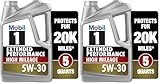
The advanced chemistry fights sludge and keeps internal passages cleaner. That helps maintain steady performance and reduces the risk of costly repairs in older vehicles.
- Longevity: rated for extended drain intervals to simplify maintenance.
- Protection: engineered to shield critical components from wear during daily driving.
- Thermal stability: preserves viscosity in extreme heat and cold.
- Convenience: a 5-quart container suits most modern motors and makes changes straightforward.
Choosing this mobil product is an investment in your vehicle’s future. It balances long service life with strong protection to help engines run cleaner and longer.
Comparing the 10 Best High-Mileage 5W-30 Synthetic Oils for Optimal Engine Performance
A practical comparison highlights API and ILSAC ratings, additive strength, and real-world value across leading brands.
Check certifications first: API and ILSAC seals confirm a product meets modern standards for cars and trucks. That step narrows choices between a synthetic blend and a full synthetic option.
Next, match the oil to your owner manual and driving habits. Some drivers prefer a budget blend; others opt for premium full synthetic formulas that extend oil change intervals and guard against sludge.
- Consider brands like Mobil, Castrol Edge, Royal Purple, and Amsoil Signature Series for varied additive packages and protection levels.
- Weigh cost versus longer drain intervals—the higher price often offsets fewer oil changes and lower repair risk.
- Look for seal conditioners and anti-wear additives when protecting older engines and reducing leaks.
Bottom line: evaluate certifications, properties, and price together. That approach helps you pick the right motor oil to protect your vehicle for many miles.
Key Factors When Selecting Your Motor Oil
A clear roadmap helps you pick the right fluid. Start by matching the oil’s viscosity to your driving style and local conditions. Then check manufacturer guidance and certifications before choosing a product.
Viscosity Requirements
Viscosity controls flow at cold start and film strength at operating temperature. Use the grade listed in your owner’s manual to protect bearings and reduce wear.
Tip: For high mileage engines, consider a product that maintains stable viscosity to cut oil consumption and preserve compression.
Climate Considerations
Cold winters demand oil that flows quickly on startup. Hot regions need a formula that resists thinning under heat.
Choosing a synthetic motor or synthetic blend suited to local temps improves start-up protection and long-term performance.
Manufacturer Recommendations
Always follow the owner manual and API certifications. Those recommendations match the engine’s tolerances and warranty requirements.
Also weigh additives and price. Many high mileage motor oils include seal conditioners and detergents that address leaks and deposits. Investing in a quality full synthetic or synthetic oil often pays off in protection and longevity.
The Role of Additives in Engine Longevity
Carefully chosen additives are what let modern lubricants protect worn parts and extend service life. These small compounds do heavy lifting by cleaning, sealing, and cutting friction inside the motor.
Detergents fight sludge and keep passages open. That helps maintain steady performance and avoids costly repairs in older vehicles.
Friction modifiers reduce internal drag. Less drag often means better fuel economy and lower wear on bearings and rings.
- Cleaning action: detergents prevent deposits that harm compression.
- Seal care: conditioners soften hardened gaskets to limit leaks.
- Wear control: anti-wear agents shield critical surfaces during startup and load.
Premium brands like Amsoil Signature Series and royal purple advertise robust additive mixes that allow longer drain intervals. Still, regular oil changes are essential because additives break down over time. Choosing a motor oil with a balanced package of additives is one of the smartest steps to protect your engine and preserve long-term value.
Proper Maintenance Schedules for Older Vehicles
A steady maintenance rhythm protects worn parts and prevents costly failures. Older vehicles need more attention to stay reliable. A clear oil plan keeps sludge at bay and preserves compression as miles add up.
Oil Change Intervals
Follow the owner manual first. That document sets the baseline interval for oil changes based on design and warranty needs.
Many older cars require more frequent oil changes than newer models. Shorter intervals help remove deposits and reduce sludge that harms engines.
- Establish a schedule: set reminders for regular oil change and inspection.
- Choose the right motor oil: quality products like a signature series can offer extra protection over conventional oils.
- Weigh cost versus risk: routine maintenance cost is far lower than engine repair or replacement.
Consistent changes keep the motor lubricated and help all vehicle systems run smoothly. Small investments in maintenance yield long-term protection and better performance.
Conclusion
A thoughtful oil choice can cut repair bills and extend the life of older vehicles. Pick a product suited to high mileage engines to keep daily drivability steady and boost overall vehicle performance.
Use this list to narrow options and weigh price against lasting protection. Regular changes and the right oils reduce wear and limit leaks that often appear as cars age.
Always check your owner manual to confirm compatibility before switching fluids. Choosing a quality motor product and staying on a maintenance schedule is a cost-effective way to avoid major repairs.
We hope this guide helps you make an informed decision that keeps your vehicle running reliably for years.
FAQ
How do I choose the right motor oil for a vehicle with high miles?
Start by checking your owner manual for the manufacturer’s recommended viscosity and API/ILSAC grade. Consider oils labeled for high-mileage or those with seal conditioners if your vehicle has more than 75,000 miles. Look for reputable brands such as Mobil, Castrol, Valvoline, Amsoil, and Royal Purple. Also match oil type (full synthetic, synthetic blend, or conventional) to your driving patterns, climate, and budget.
Can I switch from a conventional oil to a full synthetic in an older engine?
Yes. Many older engines benefit from switching to full synthetic because it reduces friction, resists thermal breakdown, and sheds sludge better. Make the change at an oil change, monitor for leaks or increased oil consumption for a few hundred miles, and follow manufacturer guidance. If the engine has preexisting leaks or worn seals, choose a high-mileage formula with conditioners.
What are the advantages of high-mileage formulations compared to regular oils?
High-mileage formulas include additives that help condition seals, reduce oil burn-off, and clean sludge buildup. They often contain higher levels of detergents, anti-wear agents, and friction modifiers that protect aging components and restore compression. These features can extend engine life and improve drivability in older cars.
How often should I change oil in an aging vehicle?
Follow the interval in your owner manual as the primary guide. For older engines, many technicians recommend more frequent changes—every 3,000–7,500 miles—depending on driving conditions and oil type. Full synthetic can extend intervals, but high-mileage engines with leaks or heavy deposits may still need shorter intervals. Always check oil level regularly between services.
Is a synthetic blend a good compromise for older cars?
Yes. Synthetic blends combine conventional base stocks with synthetic components to improve protection and thermal stability at a lower price than full synthetic. They can reduce sludge and improve cold starts while being gentler on seals than some conventional oils. For many high-mileage vehicles, a blend is a cost-effective option.
Will switching oils harm my catalytic converter or emissions systems?
No—provided you use oils that meet required API and ILSAC specifications and avoid off-spec additives. Modern oils are formulated to be compatible with emissions hardware. If you use additives, choose products labeled safe for catalytic converters and follow dosing directions carefully.
How important is viscosity (e.g., 5W-30) for older engines?
Viscosity affects cold-start flow and high-temperature protection. Use the viscosity grade recommended in your owner manual. For many aging engines, maintaining the specified grade—such as 5W-30 when listed—ensures proper oil pressure, film strength, and fuel economy. In some high-mileage cases, slightly thicker oils are suggested to reduce consumption, but check manufacturer guidance first.
What role do additives play in prolonging engine life?
Additives provide detergency, anti-wear protection, friction reduction, and seal conditioning. Detergents and dispersants keep contaminants suspended to prevent sludge. Anti-wear agents and friction modifiers reduce metal-to-metal contact. Seal conditioners help revive hardened seals to reduce leaks. Choose oils with balanced additive packages from trusted brands.
Are branded premium oils worth the extra cost for older cars?
Often yes. Premium full synthetics from brands like Mobil 1, Amsoil Signature Series, and Royal Purple offer superior shear stability, oxidation resistance, and longer service life. That can mean better protection for worn parts, longer drain intervals, and fewer deposits. Weigh the upfront cost against potential savings on repairs and fuel economy.
How does climate affect oil selection for vehicles with many miles?
Cold climates demand oils with good low-temperature flow (lower “W” rating) to protect bearings on start-up. Hot climates and heavy towing need oils with strong high-temperature film strength to resist breakdown. Choose a grade that matches your climate and follow the owner manual; consider high-mileage formulas designed for temperature extremes if you operate in severe conditions.
Can oil additives fix mechanical problems like worn rings or low compression?
Additives can help reduce oil consumption and temporarily improve seal function, but they won’t repair severely worn rings or restore lost compression long-term. They are useful as stopgap measures while you plan repairs, but mechanical fixes are required to fully restore performance.
Should I keep using the same brand and type of oil after an oil change?
You can switch brands or oil types if the new oil meets the required specifications. When changing between conventional, blend, and full synthetic, perform a normal oil change and monitor the vehicle. Consistency helps maintain predictable performance, but switching to a higher-quality formulation is often beneficial for older engines.
How do I detect oil-related problems early in a high-mileage engine?
Monitor oil level and color, watch for blue smoke, check for leaks under the vehicle, and note changes in oil pressure or unusual noises. Regular oil analysis can reveal contaminants and wear metals. Early detection lets you address issues such as sludge buildup, seal failures, or increased consumption before they become costly repairs.
Are extended-drain full synthetics safe for older engines?
Many full synthetics offer extended-drain capabilities, but older engines with sludge, varnish, or worn seals may benefit from conventional intervals initially while addressing deposits. If your engine is clean and in good condition, extended-drain synthetics from reputable brands are typically safe. Always confirm with the vehicle manufacturer and follow oil-analysis guidance when extending intervals.
Which certifications should I look for on oil labels?
Look for API service ratings (such as SN, SP) and ILSAC GF ratings where applicable. OEM approvals—like GM dexos1—matter for certain vehicles. Certifications ensure the oil meets industry standards for protection, emissions compatibility, and performance. Also check viscosity grade and any “high-mileage” or “seal conditioning” descriptors if relevant.